Next Generation F-47 Fighter Jet Development Details Emerge
Boeing's development of the F-47 under the NGAD program aims to bolster USAF air dominance capabilities.
1 min readvia Simple Flying
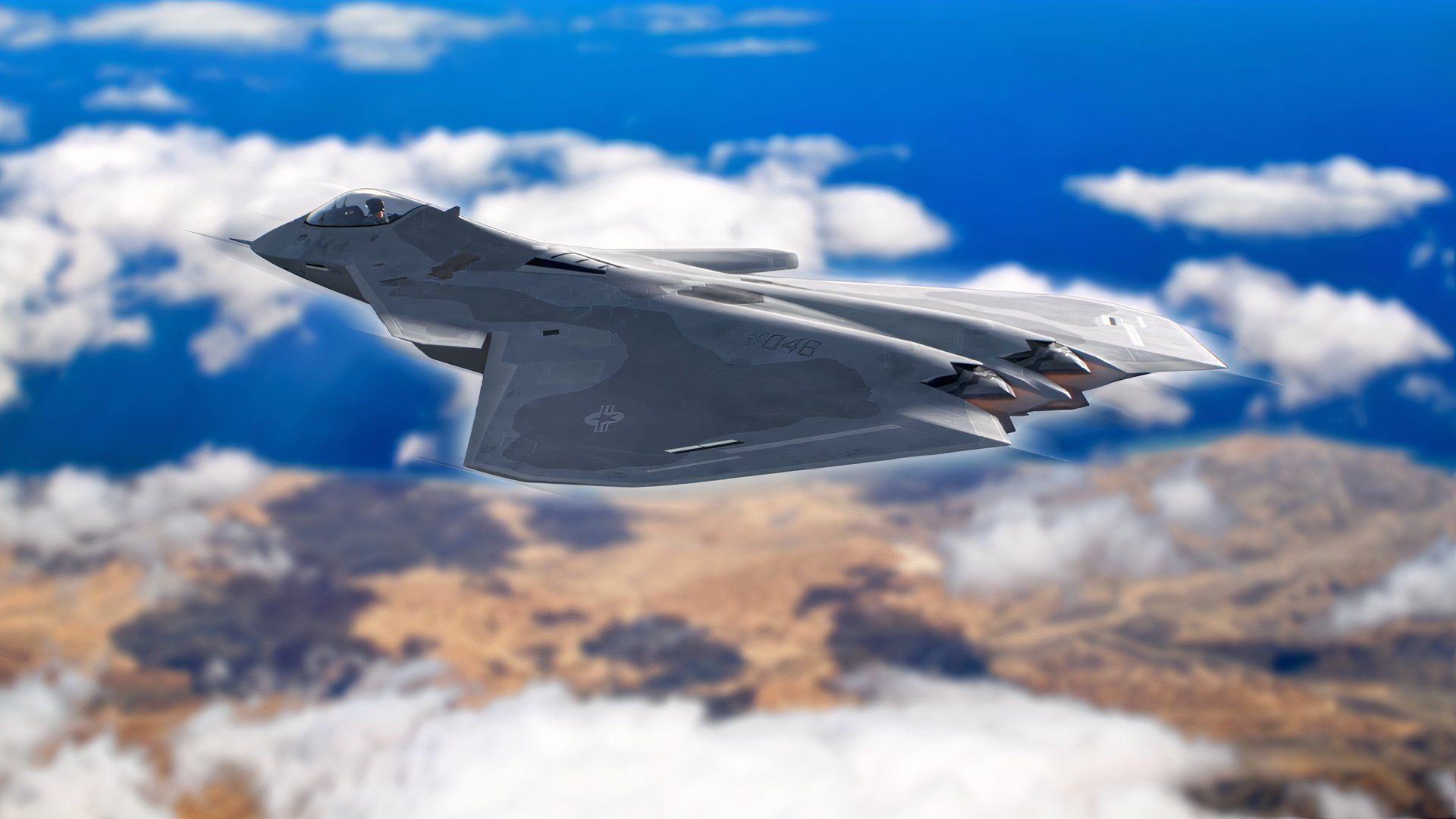
Boeing is developing the F-47 fighter jet as part of the U.S. Air Force's Next Generation Air Dominance (NGAD) program. This aircraft is poised to replace the F-22 as the USAF's lead air-superiority fighter. With advanced features such as an active electronically scanned array (AESA) radar and infrared search-and-track sensors, the F-47 represents significant advancement in military aviation technology.
The projected per-unit cost of the F-47 is around $300 million.
What has been confirmed
The F-47's development is confirmed to be included in the FY2027 defense budget, with $5 billion allocated for this purpose. Additionally, the adaptive engine technology for the jet is under development by General Electric Aerospace and Pratt & Whitney as part of USAF-led programs.Why it matters
For the U.S. Air Force, maintaining air superiority is crucial. The F-47 will ensure continued dominance by integrating cutting-edge technology and collaborative combat strategies, which aligns with broader national defense objectives. The anticipated investment and development of this next-generation aircraft underline a commitment to staying at the forefront of military aviation technology.FlyMarshall context
The collaboration between Boeing, General Electric Aerospace, and Pratt & Whitney not only showcases American industrial synergy but also implies continued employment and technological investment in the aerospace sector. For aviation professionals, understanding these developments is critical as defense advancements often influence commercial aviation innovation, particularly in avionics and engine technology.What happens next
The USAF will continue to oversee the F-47's development, refining its technological capabilities alongside the planned procurement of up to 1,000 Collaborative Combat Aircraft. This system-of-systems approach suggests a strategic shift toward integrated, networked combat operations.Continue reading
This is an excerpt. The full story, written and reported by Simple Flying, continues on their site.
Read Full Story at Simple Flying