F119 Engine: The Heart of the F-22 Raptor's Advanced Capabilities
The F119 engine was instrumental in advancing the high-speed, stealth capabilities of the F-22 Raptor.
1 min readvia Simple Flying
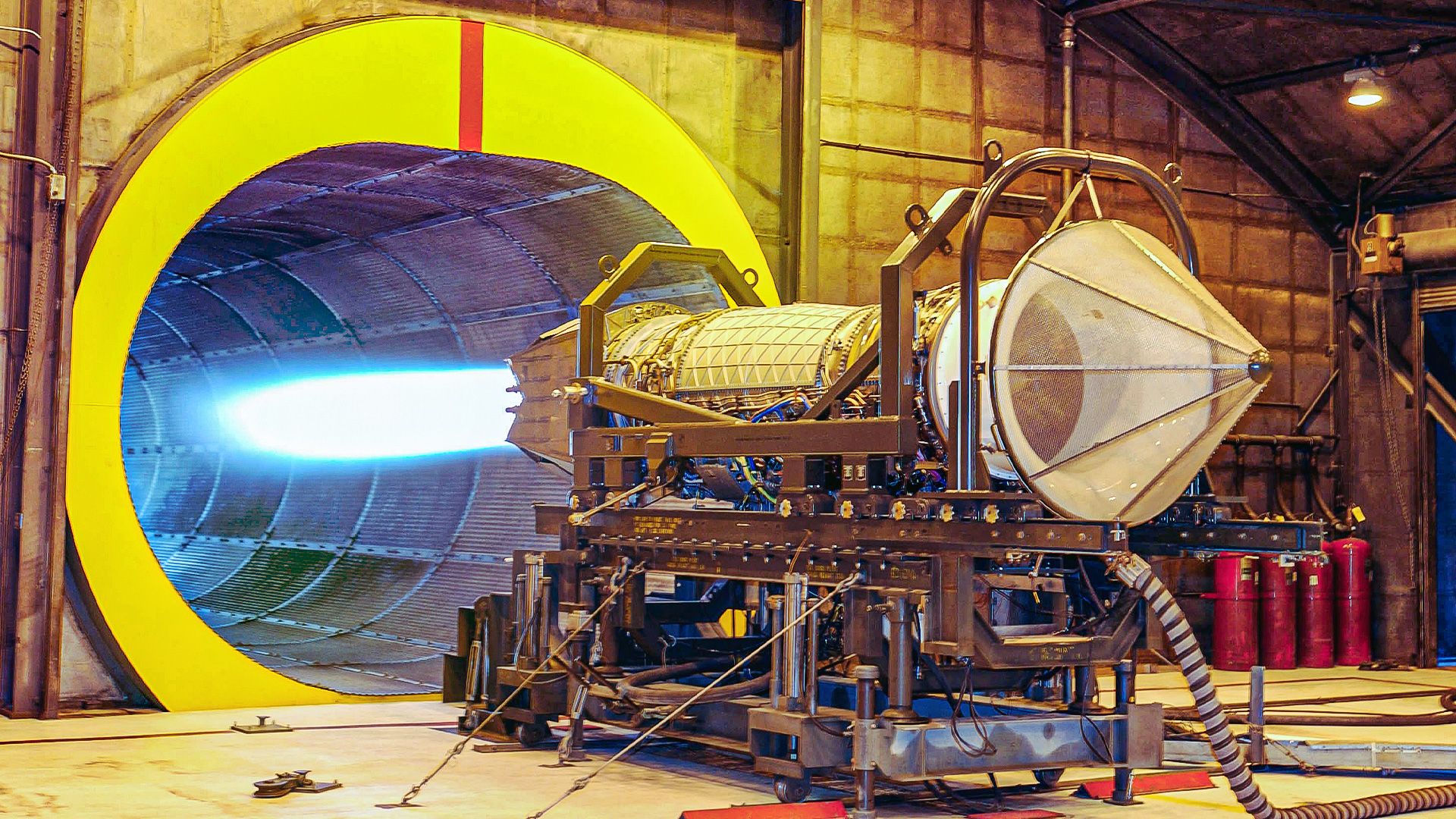
The F119 engine developed by Pratt & Whitney significantly enhanced the F-22 Raptor, enabling it to perform supercruise — flying supersonically without the aid of afterburners. This advanced engine was selected over General Electric's YF120 to power what would become a cornerstone of US air superiority, the F-22 Raptor.
The F119 engine was designed to sustain supersonic cruise without afterburners while maintaining high thrust and low fuel consumption.
What has been confirmed
The F119 engine was officially confirmed to enable supersonic cruise, reduce infrared signature, and provide high thrust with improved fuel economy. These capabilities were critical to the operational success of the F-22. The F-35, a subsequent aircraft, utilizes a derivative of the F119 engine. Pratt & Whitney and GE Aerospace are confirmed to be developing adaptive cycle engines for next-generation aircraft.Why it matters
This story highlights the technological advancements that have sustained US air superiority. The F-22 Raptor, powered by the F119 engine, represents a leap in aviation technology that countered Soviet threats and has influenced subsequent aircraft developments.FlyMarshall context
The F-22 Raptor set a new standard for fighter aircraft, influencing the design and performance expectations of military and potentially commercial engines. Understanding these innovations can offer insights into how future commercial aircraft may evolve, particularly regarding fuel efficiency and reduced environmental impact.What happens next
Pratt & Whitney and GE Aerospace are working on adaptive cycle engines, promising further advancements in engine efficiency and performance. While specific impacts on commercial aviation remain to be seen, technological innovations in military aviation often trickle down into the commercial sector, suggesting potential future enhancements in aircraft design and efficiency.Continue reading
This is an excerpt. The full story, written and reported by Simple Flying, continues on their site.
Read Full Story at Simple Flying