Boeing 777-9: The Lengthiest Airliner Now in Production
The Boeing 777-9, surpassing the Boeing 747-8, claims the title of the longest airliner in production today.
2 min readvia Simple Flying
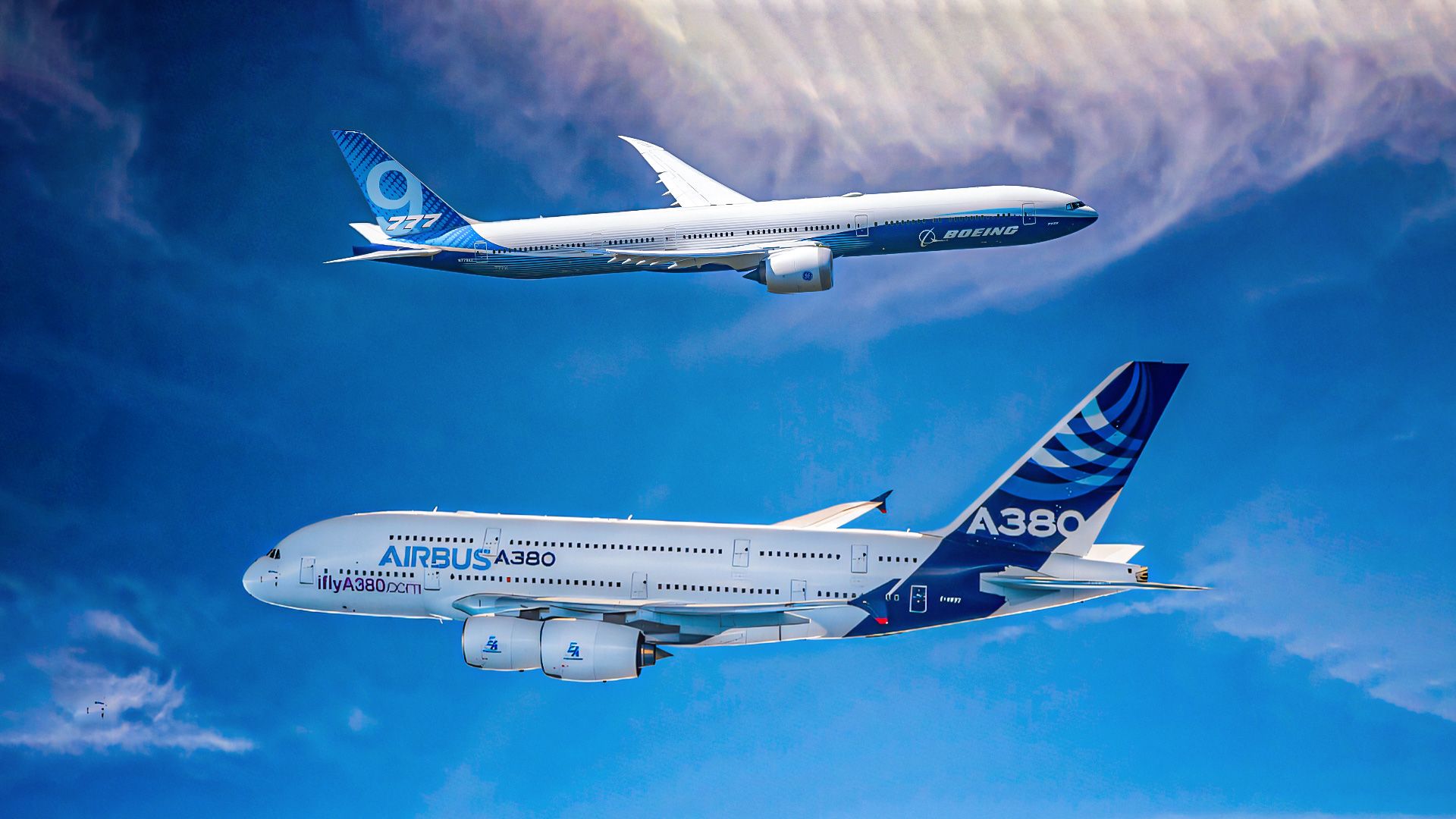
The Boeing 777-9 has been officially recognized as the longest airliner currently in production. Measuring 251 feet 9 inches, it surpasses the Boeing 747-8, which held the previous record at 250 feet 2 inches. While the Boeing 777-9 exceeds the Airbus A380 in length, the A380 maintains a wider wingspan at 261 feet 8 inches compared to the 777-9's 235 feet 5 inches. In addition to its record length, the Boeing 777X line introduces various design enhancements, including a new wing, vertical stabilizer, engines, and interior.
The Boeing 777-9 is 251 ft 9 in long, exceeding the Airbus A380's length of 238 ft 8 in.
What has been confirmed
Official confirmations have established that the Boeing 777-9 is indeed the longest airliner in production, measuring 251 feet 9 inches. The Airbus A380 leads in wingspan at 261 feet 8 inches, significantly wider than the 777-9's 235 feet 5 inches. The A380 also outmatches the 777-9's Maximum Takeoff Weight of 351 tons with its own rating of up to 575 tons. The Boeing 777X features multiple advancements such as a redesigned wing and vertical stabilizer, new engines, and an updated interior.Why it matters
As commercial aviation continues to evolve, the introduction of aircraft like the Boeing 777-9 represents significant advancements in design and engineering. Understanding these developments helps industry professionals and enthusiasts appreciate the strides being made in aviation technology. The comparison between the Boeing 777-9 and the Airbus A380 underscores ongoing competition and innovation in the long-haul sector, which impacts airline operations and passenger experience globally.FlyMarshall context
FlyMarshall recognizes the importance of these technological advancements for both industry stakeholders and passengers. For airlines, the introduction of the Boeing 777-9 could mean more efficient fleet operations, potentially offering longer range and better fuel efficiency. Passengers might experience improvements in cabin comfort due to the new interior designs. Airports might need to consider the operation of these larger aircraft in terms of gate assignment and runway requirements, given the size increases indicated by the 777-9's extended fuselage and the A380's broad wingspan.What happens next
The Boeing 777-9 is expected to continue its production run, with airlines already expressing interest in adding the aircraft to their fleets. As these airliners begin to enter service, industry professionals will closely monitor their performance and the benefits of the new technological features. Regulatory bodies and manufacturing teams will continue ensuring that safety and efficiency standards are met in these significant aviation developments.Continue reading
This is an excerpt. The full story, written and reported by Simple Flying, continues on their site.
Read Full Story at Simple Flying