


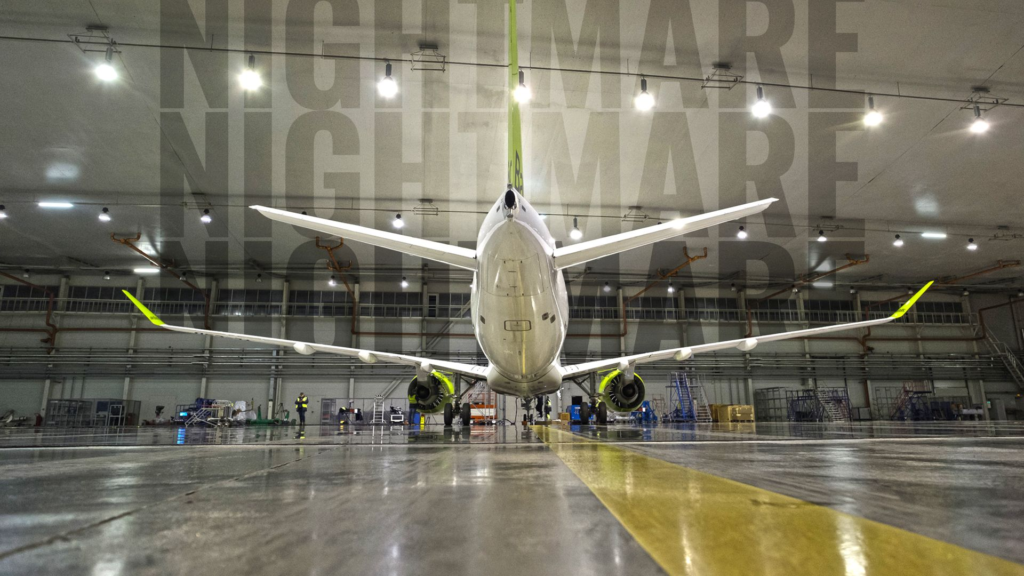
Airbus is currently going through one of its worst-ever crises. Delays in Pratt & Whitney Geared Turbofan engine production and maintenance problems have created shortages in engines, grounding many aircraft from the A220 and A320neo families. This hugely impressive aircraft family acquired from Bombardier may now struggle to be commercially viable for Airbus. Moreover, the issues are beginning to impact Airbus’ commercial standing, with some carriers deciding to look for alternative options.
In this article, discover more about the problem facing A220 engines, why that has caused a shortage, and how Airbus customers are responding. The shortages have also slowed the production and delivery of new A220s. However, Airbus’ worst nightmare is still not on the same level as the problems that Boeing has had to deal with over the past decade.
What Is The Problem?

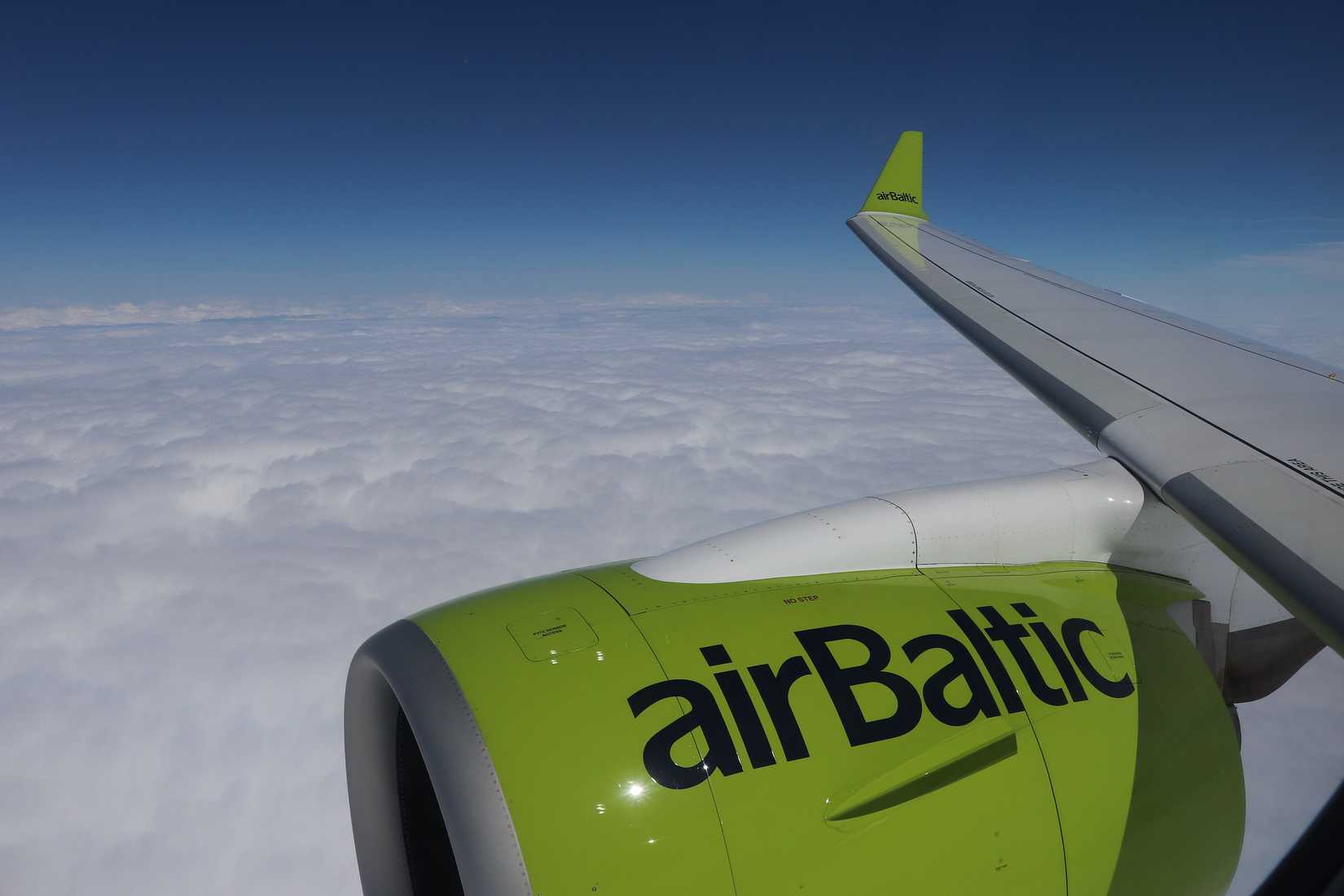
Shortages of the Pratt & Whitney geared turbofan engines necessary to fly the A220 have emerged because durability issues have forced the engines to undergo maintenance much more frequently than expected. Corrosion and powder-metal defects have led the engine to suffer premature wear and cracking. Engines in such a condition cannot safely take to the skies. These issues have been observed to accelerate in harsh environments. More frequent maintenance and more unscheduled removals from service occur for A220s flying in sandy, humid, and hot regions.
These issues have forced airlines to ground many of their A220s. FlightGlobal data collected in mid-October revealed that 79 of the 367 A220s currently flying are out of service. That is 22% of the entire type fleet. Issues with Pratt & Whitney Geared Turbofans affect many in the A320 family and 17% of the global Embraer E-190/195 E-2 fleet. Further concern is rife because the Wall Street Journal reported data from August 2024 found that 42% of A220s had been inspected or had inspections due. That supports concerns that, as more jets go through inspection and maintenance cycles, more aircraft will be found to have defective engines and be grounded.
Industrial Action Has Worsened The Issue

Engine shortages have emerged because Airbus and Pratt & Whitney’s maintenance infrastructure cannot keep up with the number of engines that require servicing. Pratt & Whitney’s engineering work has been further slowed down by strike action taken by 3,000 of its workers out of a total of 40,000 amid staggering 2024 revenues of $28 billion. The striking workers came from the company’s Connecticut plants, who wanted guarantees that manufacturing jobs would not be taken out of the state. Other grievances included poor wage increases and a weakening of retirement benefits. The 2,100 relevant unionized workers voted overwhelmingly in favor of the strikes.
After 22 days, the strike ended following the union’s ratification of a new contract. Pratt & Whitney representatives told CT Insider: “We are committed to continue working towards a new agreement that rewards our employees’ contributions and continues to secure these high-paying, high-skilled manufacturing jobs here in Connecticut.”
The table below includes critical specifications for the PW1500G that is used for A220 family aircraft from the Type Certificate Data Sheet submitted to the EASA:
|
Fan diameter |
73 in (185 cm), 18 blades |
|---|---|
|
Bypass ratio |
12.5:1 |
|
Static thrust |
19,000–23,300 lbf (85–104 kN) |
|
Weight |
4,800 lb (2,177 kg) |
|
Length |
125.4 in (3.184 m) |
|
Thrust-to-weight ratio |
4.12-5.08 |
|
Max fan speed |
3,461 RPM |
The strike primarily affected the F-35, as the Middletown plant has assembly lines for the F135 engine. However, Connecticut also has several assembly lines that contribute to the GTF family of commercial aviation jets. The East Hartford campus is also home to the East Hartford Maintenance, Repair, and Overhaul (MRO) facility, specializing in doing much of the work needed to return A220s to the skies.


Persistent Pratt & Whitney GTF Engine Complications Prompt Air Austral To Retire Airbus A220-300 Fleet
The airline reportedly plans to operate the A220 only until the summer of 2026.
SWISS Leads Concerns About The A220
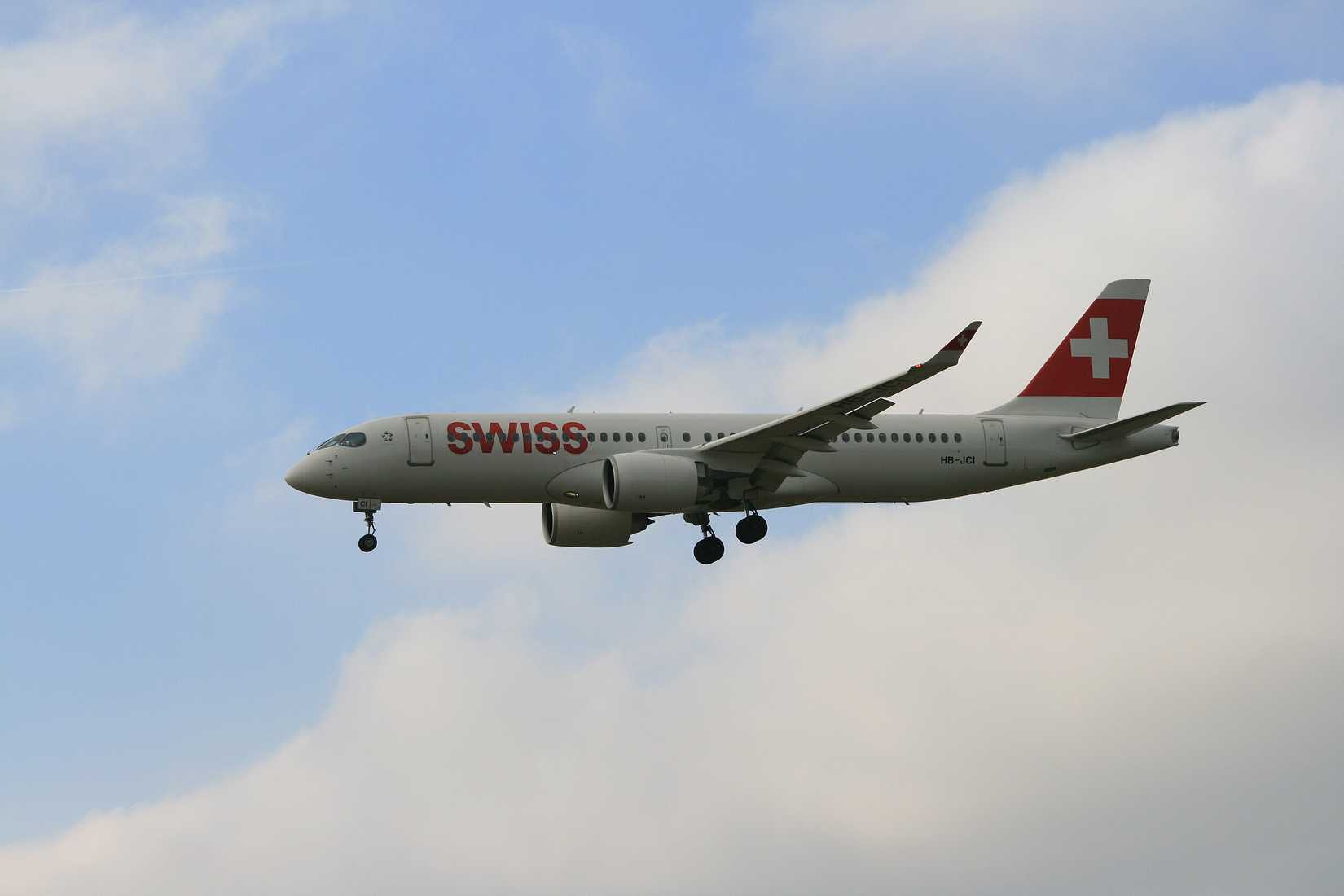
At the end of October 2025, SWISS decided to ground its A220-100 fleet due to issues with the Pratt & Whitney Geared Turbofan engines. This decision is particularly substantial as SWISS was the launch customer in 2016. The grounding, set to last 18 months, came due to reliability issues. It will mean that spare engines can be dedicated to the carrier’s larger A220-300s, as the engines used for each variant are nearly identical. The carrier has also had to lease A220-300s from airBaltic to cover additional supply gaps.
SWISS does not believe the end is in sight. SWISS CEO Jens Fehlinger told Aviation Week in Zurich: “On the A220 side, we expect around 10 aircraft to be unproductive next year because of technical problems. That represents a significant operational impact, and we are working on various mitigation measures to maintain productivity … It also looks as if we will be dealing with the issue until the end of the decade.” The issue has also expanded to SWISS’s 17 PW1100G-powered A320neos, of which three are grounded, expected to rise to five by the end of the year.
The table below shows the full SWISS narrowbody fleet, according to the Swiss Aircraft Registry, which will need to adapt to the issues caused by the A220 groundings:
|
Aircraft |
In Service |
Orders |
|---|---|---|
|
Airbus A220-100 |
9 |
|
|
Airbus A220-300 |
21 |
|
|
Airbus A320-200 |
11 |
|
|
Airbus A320neo |
11 |
5 |
|
Airbus A321-100 |
3 |
|
|
Airbus A321-200 |
3 |
|
|
Airbus A321neo |
6 |
3 |
|
Total |
64 |
8 |
Despite these huge issues, SWISS still believes that its A220 can be commercially successful for the airline. Fehlinger said: “It is an aircraft analogous to our new Airbus A350, an aircraft of the next generation. But this only helps when it is flying.” However, Fehlinger also indicated that SWISS is looking more at the A320neo as the aircraft that will allow for further growth.

Airbus Pushes Back A220 Assembly Timeline Due To Supply Chain Issues
The smallest Airbus has hit headwinds.
Other Carriers Have Moved Away From The A220

Other carriers have taken even more drastic actions than SWISS, which will surely begin to have an impact on Airbus’ bottom line. In September 2025, Air Austral, an airline based on the island of Réunion in the Indian Ocean, opted to retire its entire A220-300 fleet due to the geared turbofan engine issues. The carrier currently operates a fleet of three A220-300s with an average age of a little over 4.5 years. The carrier has experienced issues with two of its three A220s. It is currently in negotiations with Airbus to retire these jets by summer 2026.
Chairman Hugues Marchessaux explained the decision at the IFTM Top Resa trade show. He said: “Given the technical problems we are experiencing with this medium-haul fleet, we believe we have no other choice – and it is a forced choice – than to try to evolve towards a new module in order to stabilize the company.”
Once these A220s leave the Air Austral fleet, the Indian Ocean carrier will need to consider alternatives to fill the capacity gap. Simple Flying’s Vyte Klisauskaite has floated the A320neo or Boeing 737 MAX 8 as possible alternatives.
Problems Are Now Moving Downstream

The woes continue for Airbus due to issues with Pratt & Whitney’s Geared Turbofan engine family. Combined with other supply issues, the carrier has reduced its monthly production targets for 2026 from 14 to 12 A220s. Meanwhile, there are currently 32 assembled aircraft across both A320neo and A220 families awaiting engines, down from a peak of 60 jets.
Airbus’ CEO Guillaume Faury has been quick to promise that Airbus will eventually reach the 14 jet manufacturing target for A220s, but has given no indication of when that target will be reached. This issue is much greater than two jets a month. Airbus has previously stated that it needs to reach the 14 jet target to break even after acquiring the program from Bombardier.
The issue with assembled aircraft awaiting engines holding up manufacturing targets has certainly eased. Airbus still plans to deliver 820 commercial jets in 2025. Whether it can achieve such an ambitious target remains to be seen.
The Nightmare Continues

Issues with Pratt & Whitney’s Geared Turbofan engines have turned what should have been a successful acquisition of a new aircraft family into a nightmare. The engines have caused current groundings to reach 22% of all A220s. In a worst-case scenario in which all jets awaiting inspection have engine issues, the number could increase to 42%. The groundings are already persuading some airlines to look elsewhere, including Air Austral. Unless Pratt & Whitney can simultaneously repair the engines currently experiencing issues and come up with upgrades to improve time on wing, the shortages are set to continue.
However, the current market is favorable for Airbus. As bad as the issues with A220 engines are, they are nowhere near the problems Boeing has experienced in recent years. Pratt & Whitney may have caused Airbus its worst nightmare for years, but it would have been just another day in the office for the teams behind the Boeing 737 MAX and 777X.
source