


A 

The National Transportation Safety Board (NTSB) has dispatched a team to investigate the incident, which is the latest near-miss in the US amid a federal government shutdown.
Southwest Flight Goes Around To Avoid Helicopter

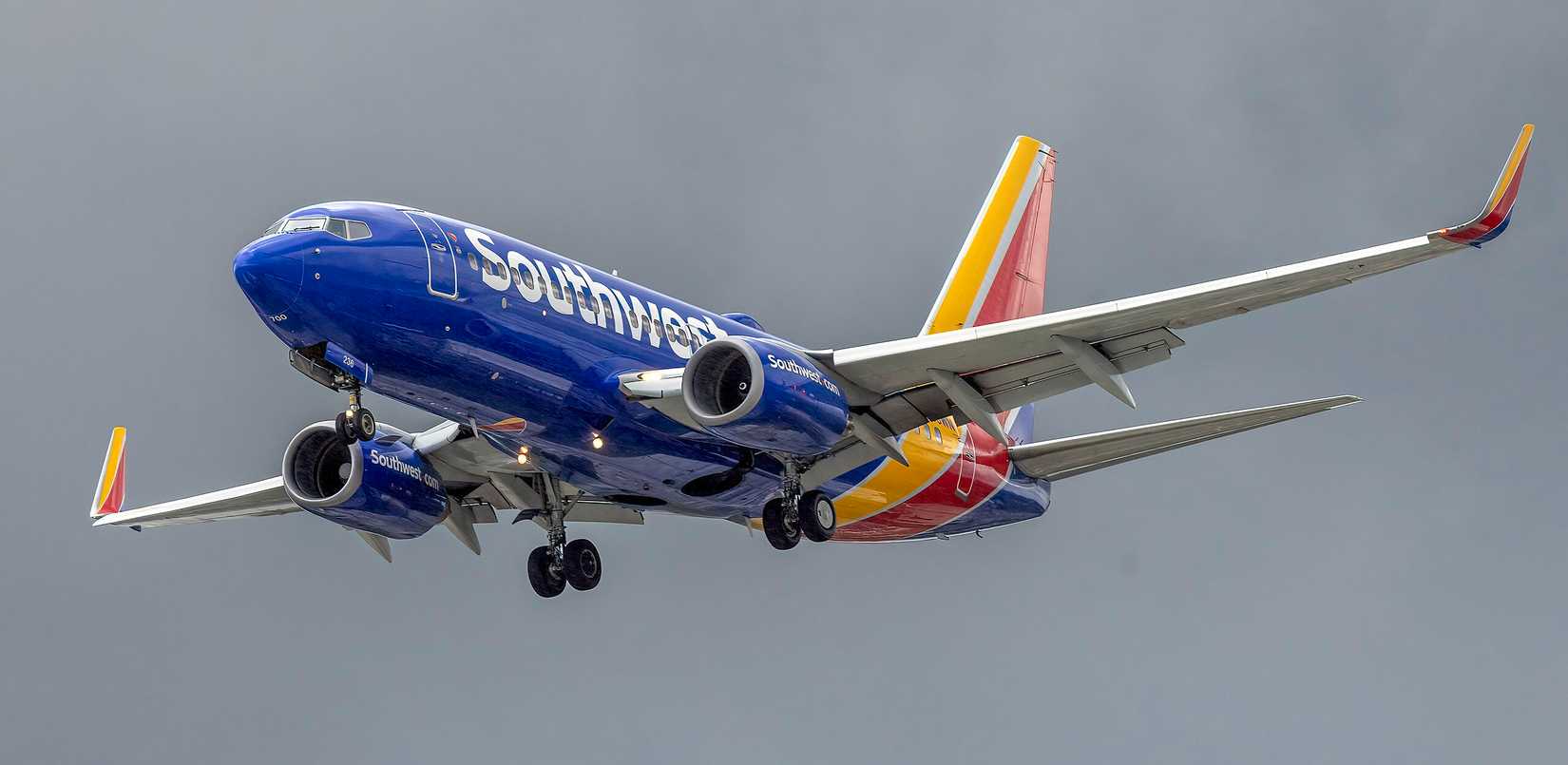
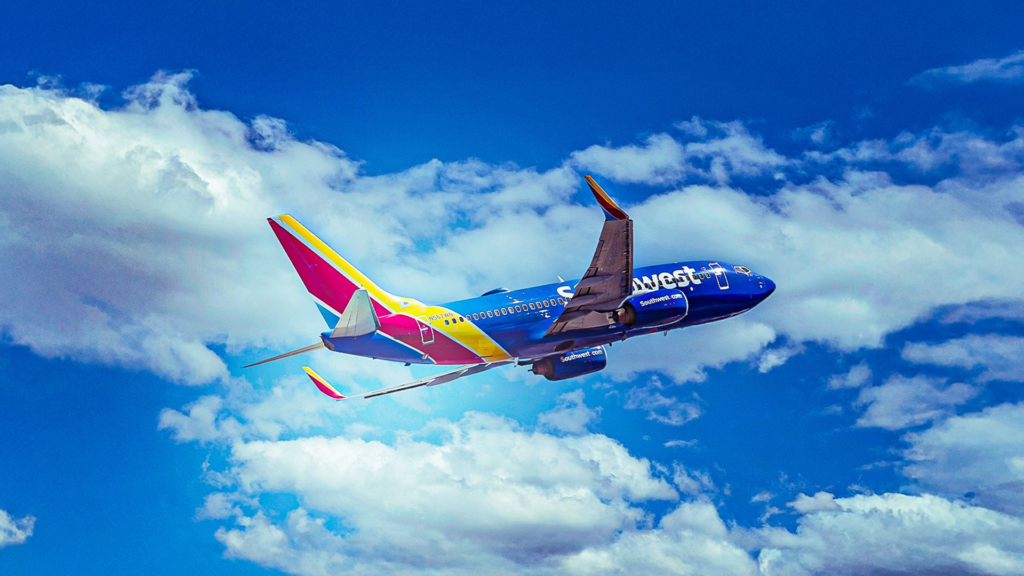
As reported by The Aviation Herald, Southwest Flight 1333 from Baltimore to Cleveland was on final approach when it stopped its descent at around 1,800 feet and turned right. The NTSB has since confirmed that the Southwest jet — a Boeing 737-700 (registration: N280WN) — experienced a loss of separation with a Eurocopter in the vicinity of Cleveland Airport.
|
Flight |
WN 1333 |
|
Date |
29 October 2025 |
|
Aircraft Type |
Boeing 737-700 |
|
Registration |
N280WN |
|
Origin |
Baltimore/Washington (BWI) |
|
Destination |
Cleveland Hopkins (CLE) |
The medical transport helicopter had departed Wayne County Airport enroute to pick up a patient at St. John Medical Center. According to Flightradar24, the Southwest jet received a TCAS (Traffic Collision Avoidance System) Resolution Advisory to take immediate evasive action as the helicopter passed in front at the same altitude of 2,075 feet. ADS-B data revealed there was just 0.56 miles of lateral separation at the closest point.
The Southwest jet repositioned for another approach and landed safely on Cleveland’s runway 06L around 13 minutes later. In a statement, Southwest Airlines said,
“Southwest Airlines Flight 1333 landed safely at Cleveland-Hopkins International Airport on October 29 after the pilots discontinued their initial approach to the runway due to the presence of another aircraft. The pilots were in contact with Air Traffic Control throughout the event, and the Boeing 737-700 landed uneventfully a short time later.”
Air Traffic Control Recording


Air traffic control (ATC) was well aware of the potential separation issue as the flight paths of Southwest Flight 1333 and the helicopter descended upon each other. A controller first warned the helicopter of “traffic at 9 o’clock,” referring to the inbound Southwest 737, and ordered the helicopter to maintain separation, which it confirmed.
ATC then informed the Southwest flight crew of the presence of a helicopter at 2 o’clock, adding that the helicopter had the 737 in sight and would maintain separation. ATC then requested the helicopter to pass behind the 737, to which the helicopter pilot replied that it would “be better if we go above it and in front of it if we can,” which ATC agreed to.
A few seconds later, both aircraft were at an identical altitude of 2,075 feet, which prompted a TCAS RA to sound in the Southwest cockpit. The 737 subsequently deviated to the right, and a collision was fortunately averted.
NTSB Launches Investigation


The NTSB has confirmed that it has sent a team to investigate the near-miss. Neither the NTSB nor Southwest confirmed how many passengers were onboard Flight 1333, but a Southwest 737-700 can seat up to 143 passengers. The aircraft involved in this incident is an 18-year-old airframe that was delivered to Southwest in July 2007.
The helicopter bears the registration N262MH and is operated by Metro Aviation as part of the Metro Life Flight service. A spokesperson for Metro Aviation confirmed to Fox 8 that the helicopter did not have any patients onboard at the time of loss of separation, but was heading to a nearby hospital to pick up a patient.
The incident evokes alarming similarities to American Airlines Flight 5342 in January, which collided with a US Army helicopter midair before crashing into the Potomac River, killing all 64 people onboard. There has also been a worrying rise in near-miss incidents within the past month during the ongoing federal government shutdown, which has led to many ATC towers nationwide being dangerously understaffed.
source