


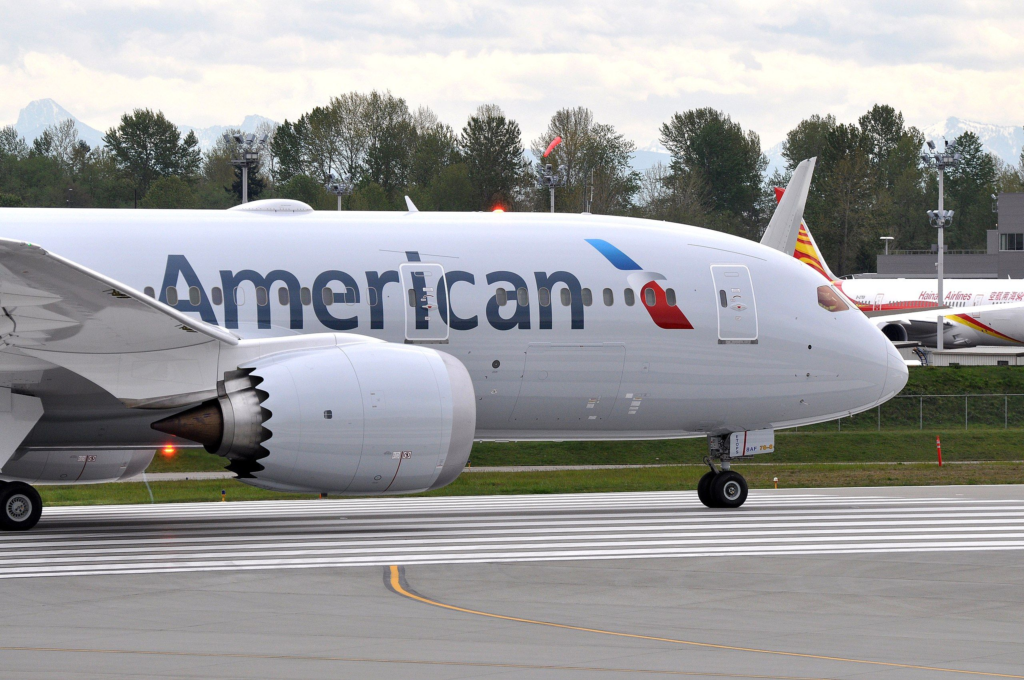
The Boeing 787 is one of the most popular widebody aircraft ever produced, with more than 1,200 delivered by the US manufacturer since the aircraft entered commercial service in 2011 with All Nippon Airways.
In the US, two major carriers operate the Boeing 787 – 


American Airlines & The Boeing 787


American Airlines took delivery of its first Boeing 787 in January 2015 – a 787-8 registered as N800AN. The latest data from ch-aviation shows that today, the carrier has a total of 64 Boeing 787s in its fleet, made up of 37 787-8s and 27 787-9s. The oneworld airline also has a further 24 787-9s on order, awaiting delivery.
The passenger capacity and average age (as of August 2025) of American Airlines’ fleet of Boeing 787s are outlined in the table below:
|
Variant |
Number In Fleet |
Average Age |
Business Class |
Premium Economy |
Economy Class |
Total |
|---|---|---|---|---|---|---|
|
Boeing 787-8 |
37 |
7.3 years old |
20 |
28 |
186 |
234 |
|
Boeing 787-9 |
27 |
5.9 years old |
51 |
32 |
151 |
244 |
American Airlines also operates some older Boeing 787-9s in a higher-capacity configuration of 30 in business class, 21 in premium economy, and 234 in economy class. However, all of the carrier’s upcoming 787-9 deliveries are expected to be in the more premium-heavy configuration mentioned above, and will likely be put to use on the carrier’s premium long-haul routes.
Where Does American Airlines Fly Its Boeing 787s?


Using data from Cirium, an aviation analytics company, let’s take a look at the different routes operated by American Airlines’ fleet of Boeing 787s. In 2025, by far the carrier’s longest route flown by the 787 is between its hub at Dallas/Fort Worth International Airport (DFW) and Brisbane Airport (BNE) in Australia, coming in at 8,299 miles long.
American Airlines’ longest routes flown by the Boeing 787 are outlined in the table below:
|
Ranking |
Departure Airport |
Arrival Airport |
Aircraft |
Distance |
|---|---|---|---|---|
|
1 |
Dallas/Fort Worth International Airport (DFW) |
Brisbane Airport (BNE) |
Boeing 787-9 |
8,299 miles |
|
2 |
Dallas/Fort Worth International Airport (DFW) |
Auckland Airport (AKL) |
Boeing 787-9 |
7,439 miles |
|
3 |
Dallas/Fort Worth International Airport (DFW) |
Shanghai Pudong International Airport (PVG) |
Boeing 787-8 |
7,351 miles |
|
4 |
New York John F. Kennedy International Airport (JFK) |
Delhi Indira Gandhi International Airport (DEL) |
Boeing 787-9 |
7,317 miles |
|
5 |
Philadelphia International Airport (PHL) |
Doha Hamad International Airport (DOH) |
Boeing 787-9 |
6,798 miles |
|
6 |
New York John F. Kennedy International Airport (JFK) |
Tokyo Haneda Airport (HND) |
Boeing 787-9 |
6,773 miles |
|
7 |
Los Angeles International Airport (LAX) |
Auckland Airport (AKL) |
Boeing 787-8 |
6,504 miles |
|
8 |
Dallas/Fort Worth International Airport (DFW) |
Tokyo Haneda Airport (HND) |
Boeing 787-8 |
6,462 miles |
|
9 |
Los Angeles International Airport (LAX) |
Tokyo Haneda Airport (HND) |
Boeing 787-8 |
5,488 miles |
|
10 |
Dallas/Fort Worth International Airport (DFW) |
Rio de Janeiro Galeão International Airport (GIG) |
Boeing 787-8 |
5,222 miles |
United Airlines & The Boeing 787

Meanwhile, United Airlines was the first North American carrier to operate the Boeing 787, when it took delivery of its first aircraft in September 2012. Since then, the Star Alliance member airline’s fleet of 787s has grown substantially to a total of 77 today. This is made up of 12 787-8s, 45 787-9s, and 20 787-10s, and United Airlines also has a further 143 787-9s on order.
The cabin configurations found onboard United Airlines’ Boeing 787s are outlined in the table below:
|
Variant |
Business Class |
Premium Economy |
Economy Class |
Total |
|---|---|---|---|---|
|
Boeing 787-8 |
28 |
21 |
194 |
243 |
|
Boeing 787-9 (v1) |
48 |
21 |
188 |
257 |
|
Boeing 787-9 (v2) |
64 |
35 |
123 |
222 |
|
Boeing 787-10 |
44 |
21 |
253 |
318 |
The varying configurations found on United Airlines’ Boeing 787s give the carrier the flexibility it needs to deploy the aircraft on a variety of routes, from domestic hops to long-haul premium services.
Where Does United Airlines Fly Its Boeing 787s?
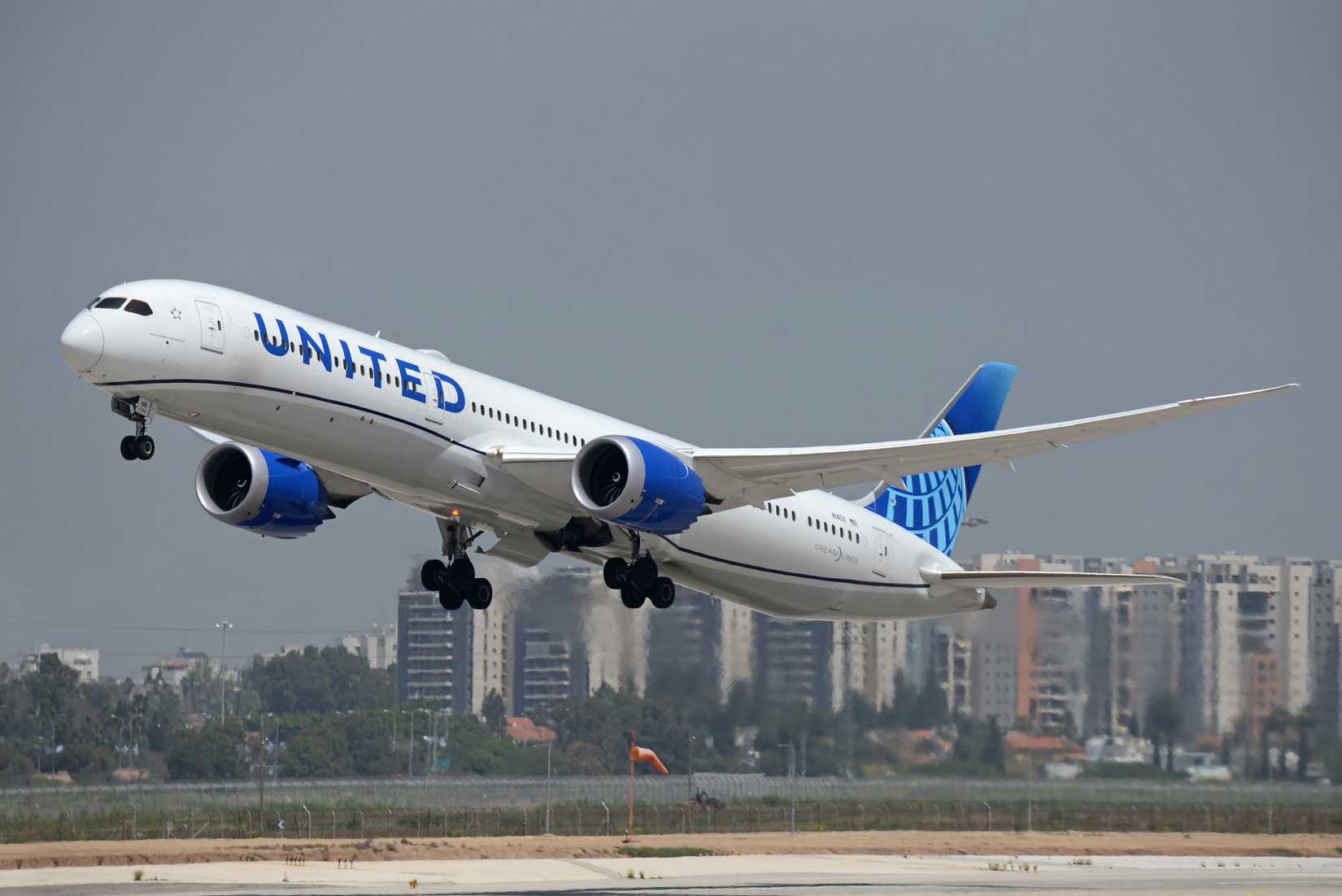
United Airlines deploys its Boeing 787s on routes to and from various hubs around the US. The carrier’s longest 787 route is between Houston George Bush Intercontinental Airport (IAH) and Sydney Airport (SYD) in Australia. At 8,587 miles long, this is more than 200 miles longer than American Airlines’ longest 787 route between Dallas/Fort Worth and Brisbane.
United Airlines’ longest routes operated by the Boeing 787 are outlined in the table below:
|
Ranking |
Departure Airport |
Arrival Airport |
Aircraft |
Distance |
|---|---|---|---|---|
|
1 |
Houston George Bush Intercontinental Airport (IAH) |
Sydney Airport (SYD) |
Boeing 787-9 |
8,587 miles |
|
2 |
San Francisco International Airport (SFO) |
Singapore Changi Airport (SIN) |
Boeing 787-9 |
8,440 miles |
|
3 |
Newark Liberty International Airport (EWR) |
Johannesburg O. R. Tambo International Airport (JNB) |
Boeing 787-9 |
7,988 miles |
|
4 |
Washington Dulles International Airport (IAD) |
Cape Town International Airport (CPT) |
Boeing 787-9 |
7,923 miles |
|
5 |
Los Angeles International Airport (LAX) |
Melbourne Airport (MEL) |
Boeing 787-9 |
7,920 miles |
|
6 |
San Francisco International Airport (SFO) |
Melbourne Airport (MEL) |
Boeing 787-9 |
7,853 miles |
|
7 |
Newark Liberty International Airport (EWR) |
Cape Town International Airport (CPT) |
Boeing 787-9 |
7,816 miles |
|
8 |
Los Angeles International Airport (LAX) |
Sydney Airport (SYD) |
Boeing 787-9 |
7,487 miles |
|
9 |
Newark Liberty International Airport (EWR) |
Delhi Indira Gandhi International Airport (DEL) |
Boeing 787-9 |
7,323 miles |
|
10 |
Los Angeles International Airport (LAX) |
Hong Kong International Airport (HKG) |
Boeing 787-9 |
7,260 miles |
About The Boeing 787
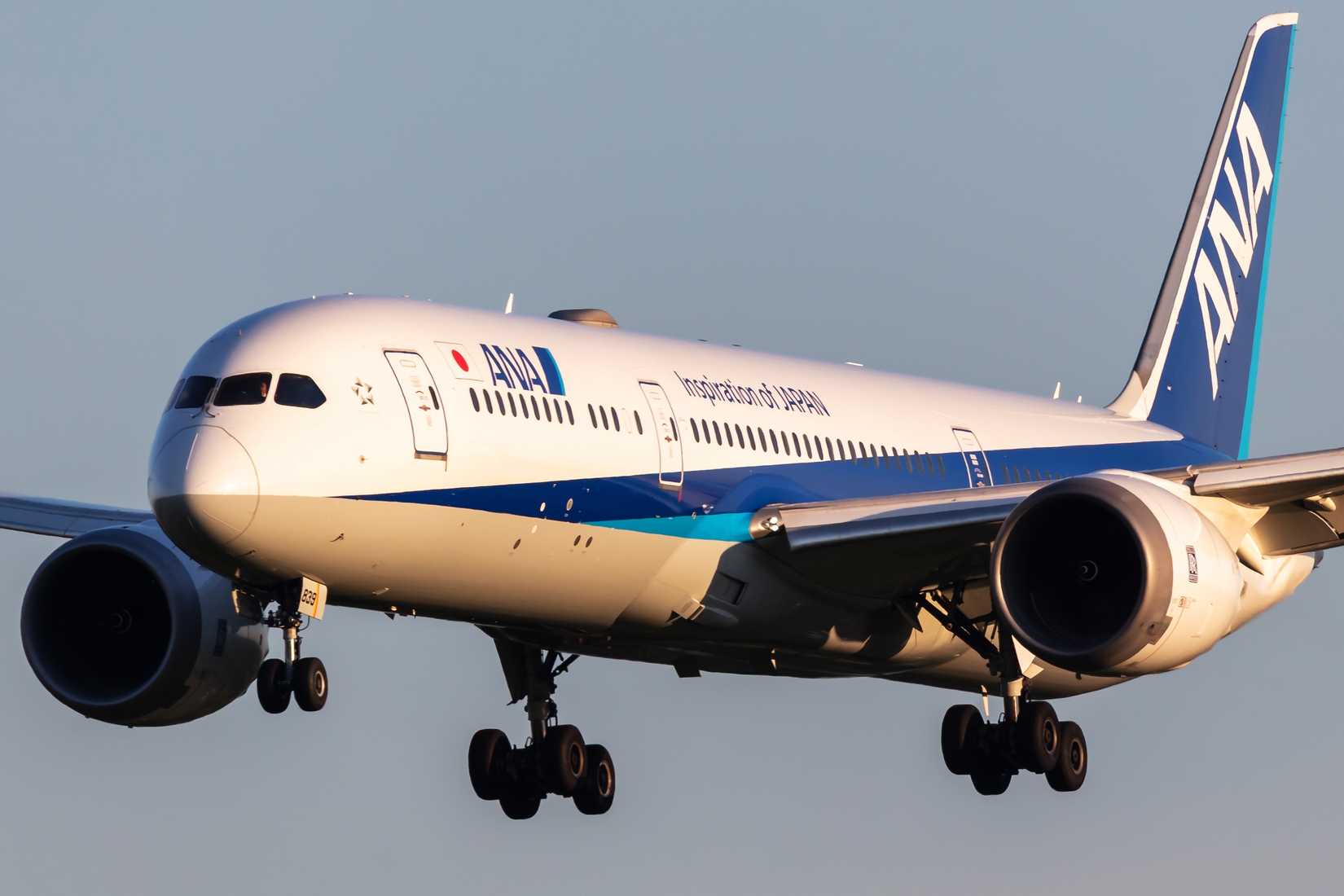
The Boeing 787 was developed to replace older, less efficient aircraft such as the 767, and to compete with the Airbus A350. The aircraft entered commercial service in 2011 with All Nippon Airways.
One of the Boeing 787’s major features is its extensive use of composite materials, meaning that the aircraft consumes around 20% less fuel than its older counterparts. The aircraft is also a firm favorite with passengers around the world, thanks to its large windows, lower cabin altitude pressure (6,000 ft compared to the standard 8,000 ft), and higher humidity levels that help to reduce fatigue and dehydration during long flights.
With its advanced technology, high fuel efficiency, and enhanced passenger comfort, the Boeing 787 has become a major player in the widebody commercial aviation market. However, despite its success, the 787 has not been without its problems.
Early issues with the aircraft’s lithium-ion batteries led to the fleet being grounded temporarily back in 2013. Later on, deliveries of the Boeing 787 were halted several times between 2020 and 2023 due to structural quality issues, which led to more than 100 aircraft being built by Boeing but needing to be stored before deliveries resumed in March 2023.
The Boeing 787 suffered its first fatal hull loss in June 2025, when Air India Flight 171 crashed on take-off from Ahmedabad Airport (AMD), bound for London Gatwick Airport (LGW). All but one of the 242 passengers and crew members onboard were killed, as well as 19 people on the ground.
Other Major Operators Of The Boeing 787
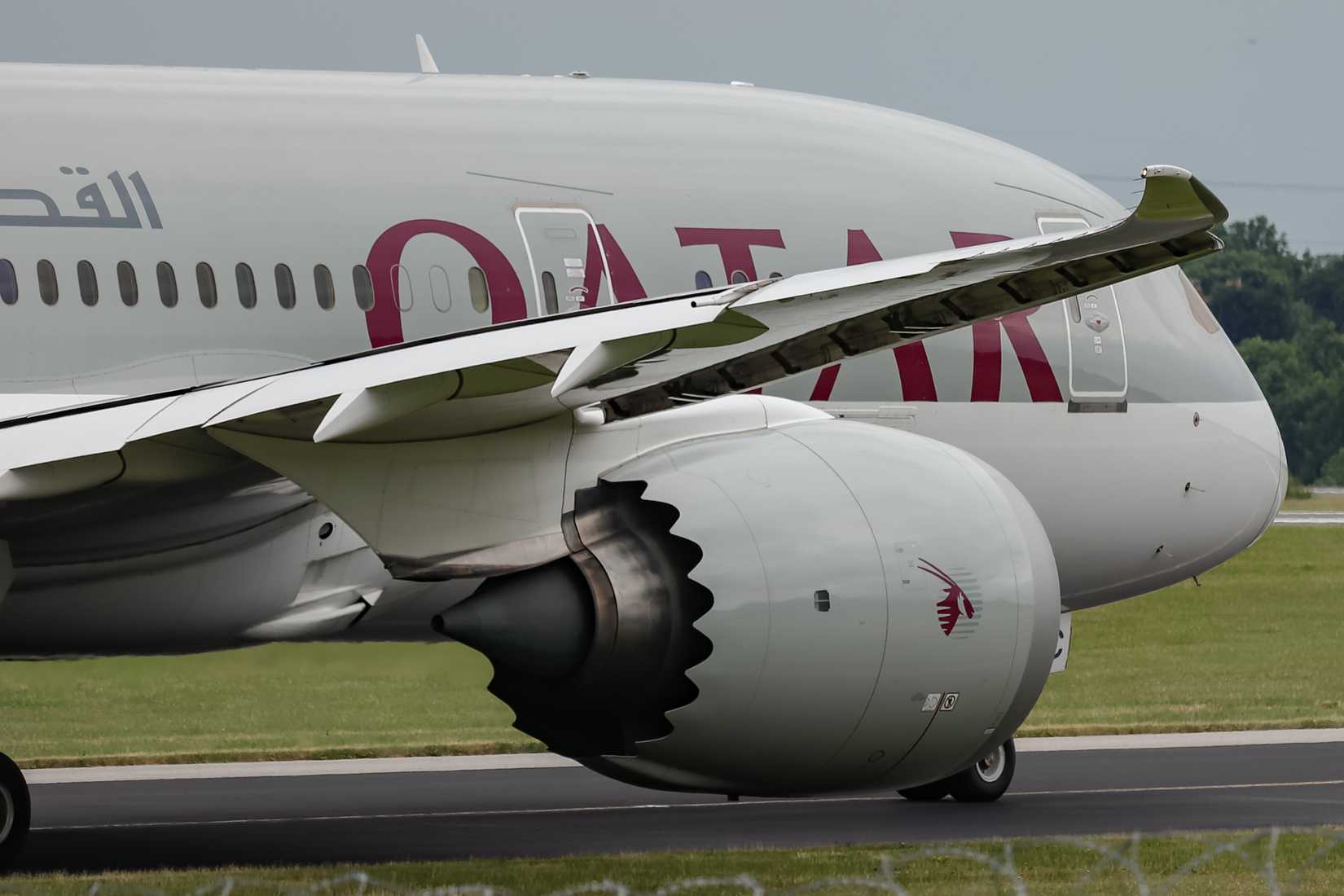
American Airlines and United Airlines both have sizable fleets of Boeing 787s, deploying the aircraft on routes worldwide. However, the world’s largest operator of the 787 is All Nippon Airways, which has a total of 86 in its fleet – 34 787-8s, 44 787-9s, and eight 787-10s.
The world’s ten largest operators of the Boeing 787 are listed in the table below:
|
Ranking |
Airline |
Boeing 787-8 |
Boeing 787-9 |
Boeing 787-10 |
Total |
|---|---|---|---|---|---|
|
1 |
All Nippon Airways |
34 |
44 |
8 |
86 |
|
2 |
United Airlines |
12 |
45 |
20 |
77 |
|
3 |
American Airlines |
37 |
27 |
– |
64 |
|
4 |
Qatar Airways |
31 |
23 |
– |
54 |
|
5 |
Japan Airlines |
23 |
22 |
– |
45 |
|
6 |
Etihad Airways |
– |
34 |
10 |
44 |
|
7 |
British Airways |
12 |
18 |
12 |
42 |
|
8 |
Air Canada |
8 |
32 |
– |
40 |
|
9 |
Hainan Airlines |
10 |
28 |
– |
38 |
|
10 |
LATAM Airlines |
10 |
26 |
– |
36 |
Other major operators around the world include Air India (33), China Southern Airlines (29), Ethiopian Airlines (29), Air Europa (26), and Singapore Airlines (26). Aside from American Airlines and United Airlines, Air Canada is the only other North American carrier to operate the Boeing 787. The Star Alliance member deploys its 787s on a variety of long-haul routes, including transpacific services from its hub at Vancouver International Airport (YVR).
One Clear Winner
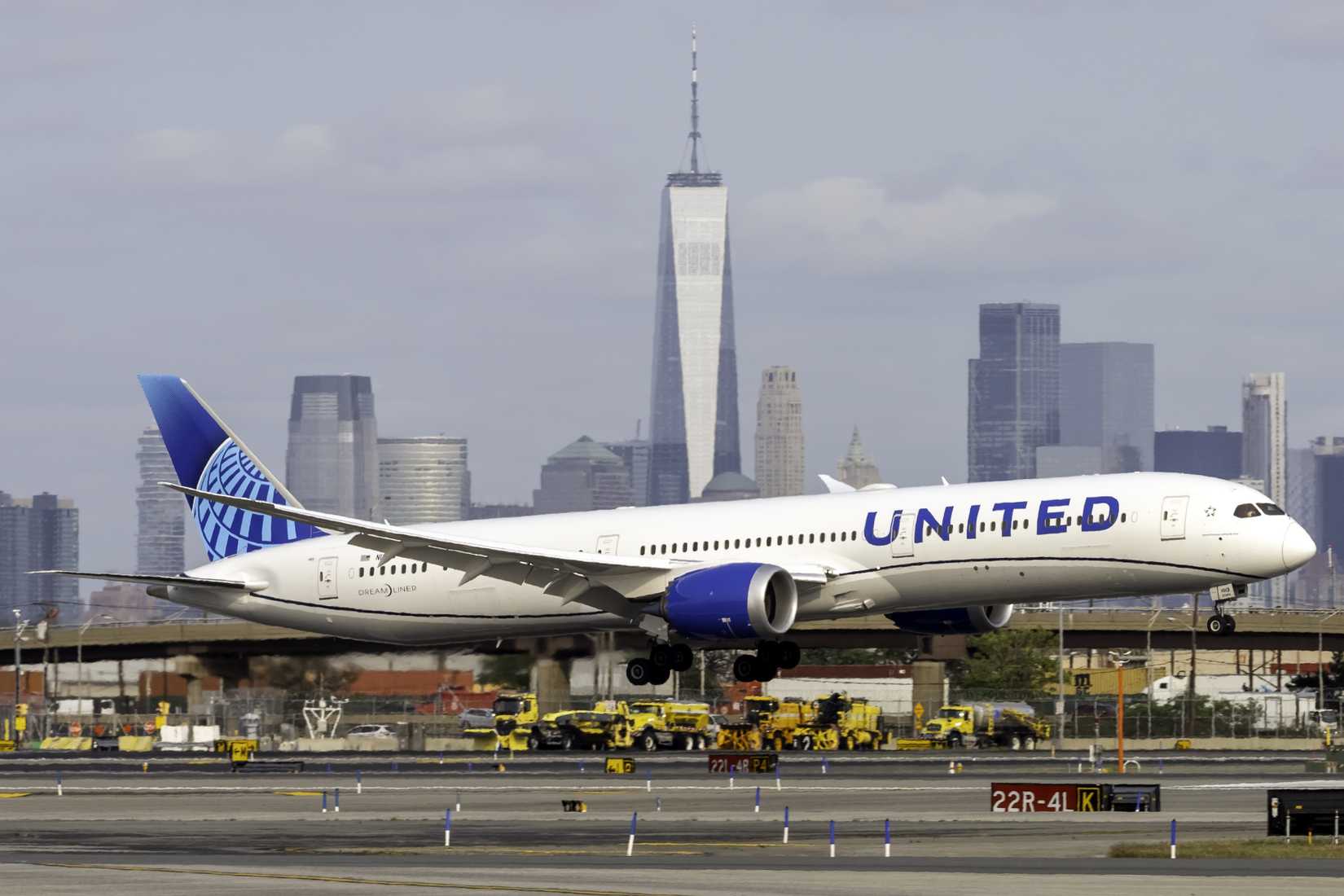
When considering which carrier wins with the Boeing 787 between American Airlines and United Airlines, there is one clear winner. United Airlines has more 787s in its fleet, and also operates all three of the currently available variants – the 787-8, 787-9, and 787-10. That said, most of the Star Alliance carrier’s longest routes are operated by the 787-9, while American Airlines deploys its smaller 787-8s on some of its longest services.
In addition, when looking at the routes operated by both American Airlines and United Airlines with their Boeing 787s, United Airlines operates the longest route of the two carriers (between Houston and Sydney). Taking all factors into consideration, United Airlines has a more varied, wider-reaching 787 operation than American Airlines.
- ICAO Code
-
B788, B789, B78X
- IATA Code
-
788, 789, 78X
- Crew
-
2
- Passengers
-
242 → 330
- Engine Count
-
2
source