





The company is expecting to end the year with around $1 billion in free cash flow. Sequential unit revenue improved and ultimately turned positive in September, suggesting pricing traction going into the holidays. The message is for overall stability with an improving revenue mix, not an overall breakout. Shares rose around 5% earlier today as investors began to refocus on cash generation and near-term margin improvement.
A Deeper Look At Earnings Performance


American Airlines’ revenues reached a record $13.7 billion, slightly beating bullish estimates. The adjusted loss per share of just $0.17 was better than analysts were expecting. Sequential revenue per available seat mile ultimately improved and flipped positive in September as industry capacity reductions helped firm up pricing, with premium cabin demand remaining fairly resilient. Management guided fourth-quarter adjusted earnings per share to be between $0.45 and $0.75, alongside full-year profitability of $0.65 and $0.95.
The airline is expecting full-year free cash flow to rise above $1 billion. Overall unit revenue momentum and overall mix helped offset headwinds from costs and operational disruptions that occurred earlier in the quarter. The company sought to emphasize disciplined capacity, continued loyalty monetization, and a holiday booking curve that supports this growth-oriented outlook, according to airline filings. Net results still reflect seasonality in demand, but the airline’s cadence highlights improving pricing power and a clear path towards year-end profitability, something American Airlines so desperately needs.
What Does All Of This Mean For American Airlines?

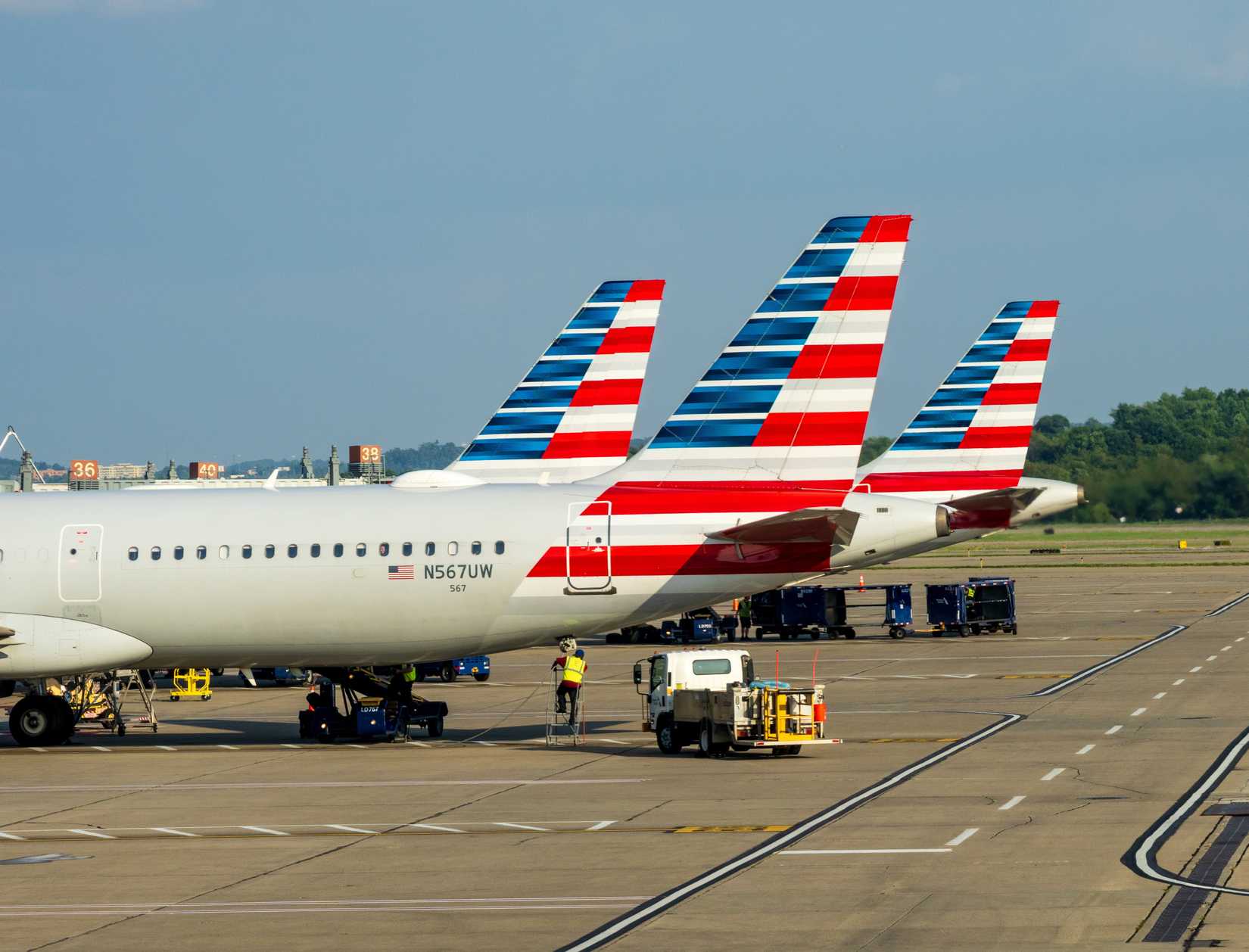
This print quickly resets the overall narrative from American being a carrier that struggles with fragile domestic pricing to one with a profitability picture that stabilizes if continued operational discipline is utilized. The new full-year range implies that the airline will be profitable for the year, and it establishes the upcoming quarter as an inflection point. If American Airlines delivers within its guidance, it could generate more than $1 billion in free cash flow.
This would strengthen overall flexibility and help the airline keep paying down debt in order to invest in products where returns are the highest. The sequential revenue per available seat mile (RASM) offers resilient premium demand and helps make the case that pricing power is returning as the industry continues to trim capacity. This reduces the risk of another estimate-cut cycle.
The path, however, remains narrow, and execution must control non-fuel unit costs. Holiday demand must hold with heavy overall discounting. Fleet and schedule reliability remain the key watch items. This setup improves overall, but the investment case continues to hinge on sustained pricing and translating it into margin and cash every quarter. Loyalty cash flows and co-brand stability also support both liquidity and overall visibility.
Do We Buy American’s Overall Story?

American Airlines is certainly trying to project confidence to the market, something for which it has been rewarded with a 5% bump in share prices. The airline wants investors to believe that it has been able to restore operational discipline and carefully match capacity to meet overall demand.
Unlike 
From the standpoint of the industry as a whole, operational discipline has been American’s biggest challenge over the past few years. This latest earnings report and subsequent management commentary certainly demonstrate a shift in the right direction.
source