


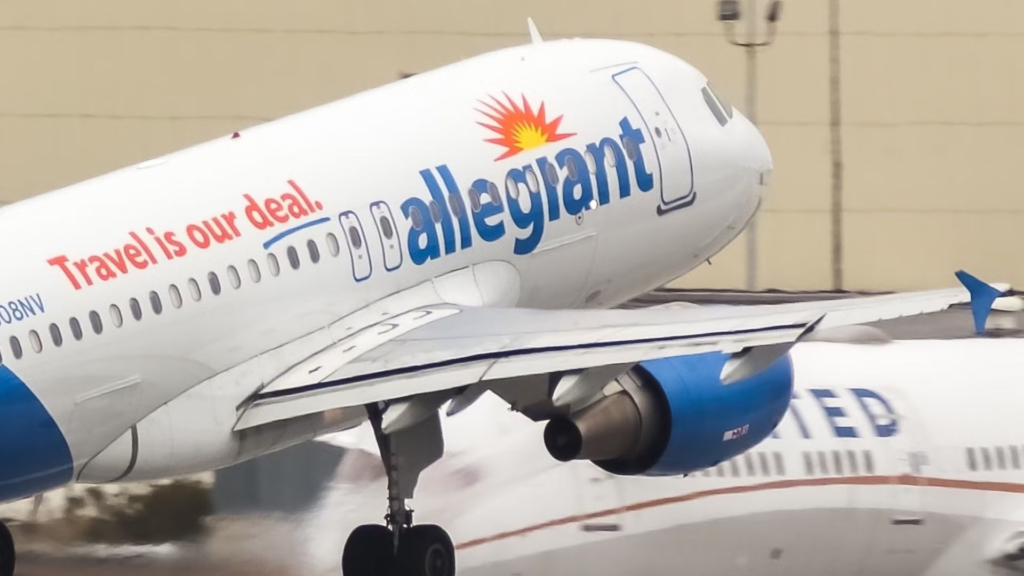
The Chief Executive Officers (CEOs) of Allegiant Air (NYSE: ALGT) and Frontier Airlines (NYSE: ULCC) are set to testify before a Senate Judiciary antitrust subcommittee on Tuesday. The hearing will include an extensive discussion of competition within the airline industry, according to reports from congressional aides. The primary situation at hand is a lack of competition in the market in the wake of Spirit Airlines’ continued demise.
Greg Anderson, the Chief Executive of Allegiant Air, and Barry Biffle, the CEO of Frontier Airlines, will be the principal witnesses testifying at the hearing. They will be joined by Sharon Pinkerton, a senior vice president at Airlines for America, an organization that represents United Airlines, Delta Air Lines, American Airlines, and Southwest Airlines. They will all field questions about how competition in the air travel market is impacting individual customers, low-cost carriers, and the market as a whole.
Air Traffic Control And Competition Will Be The Hearing’s Focus

According to reports published by Reuters, Airlines of America is looking forward to the opportunity to highlight historically low fares and the wide availability of options for customers. It also highlighted the optionality currently available to customers and the impressive quality of customer service, which ultimately resulted in this record-high demand. The group was quick to highlight that the largest threat to the industry was maintaining healthy competition between legacy carriers and low-cost carriers.
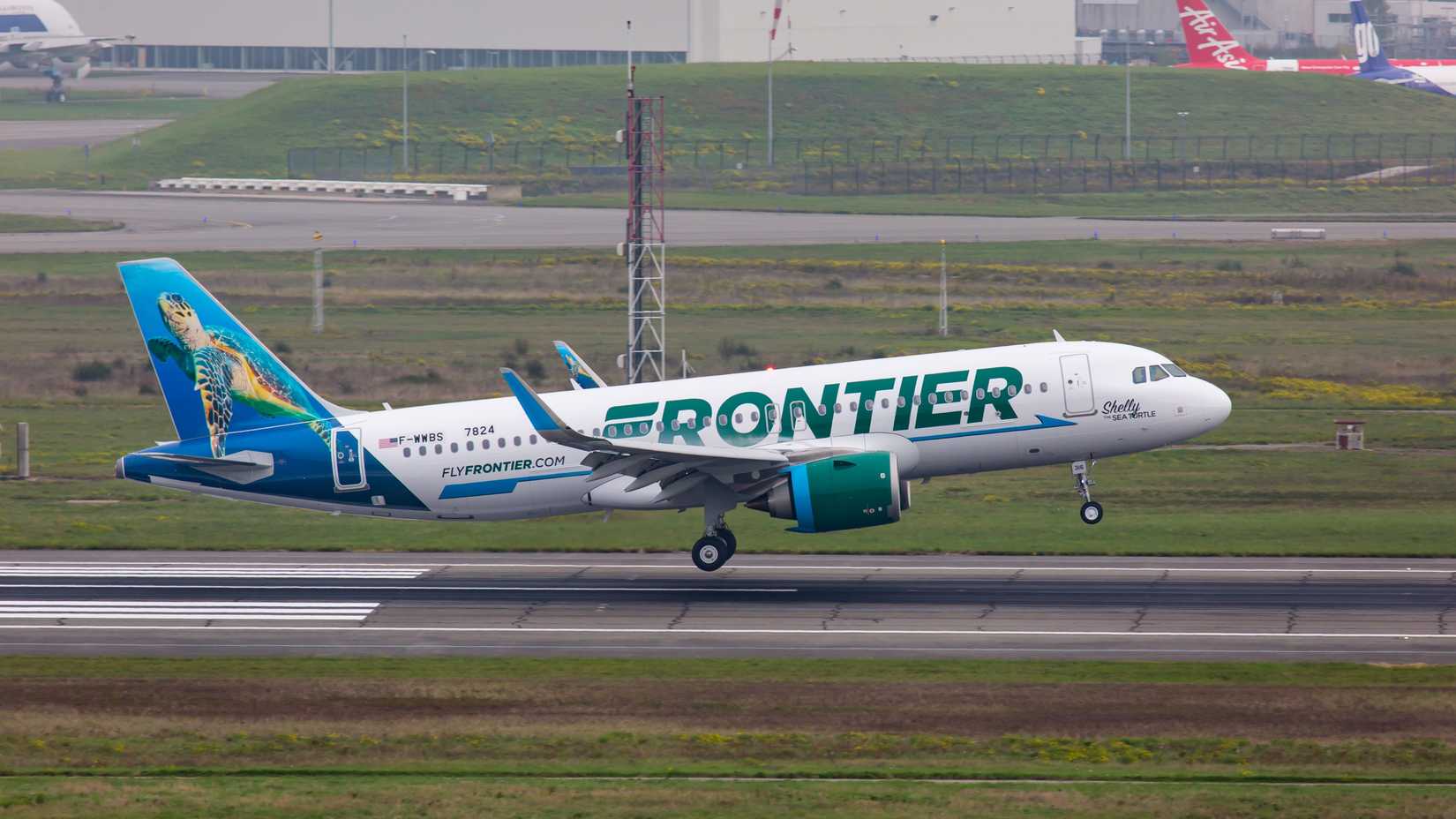
Frontier Airlines also confirmed that it would take part in the hearing, demonstrating that similar dialogue will likely exist from low-cost operators. Another thing that carriers and industry groups were quick to confirm is that the nation’s antiquated, understaffed air traffic control system was behind a large portion of airline operational challenges this past summer. In a statement, Airlines for America still doubled down on the importance of competition, having the following words to share in a statement:
“Robust competition has led to historically low fares, a wide availability of options and quality customer service which has resulted in record high demand.
What Should Investors Be Thinking About Going Into This Hearing?

Investors will need to keep their eyes on policy risk factors going into this hearing. For starters, analysts will want to know if ancillary fees will soon be curbed, putting pressure on the revenue mix, which has traditionally driven ultra-low-cost carrier growth. A mix of gate access remedies at constrained airports could soon reallocate capacity and affect the pricing power of airlines. Furthermore, a reduced regulatory appetite for mergers and alliances will continue to stress airlines hoping to capitalize off these kinds of opportunities.
The hearing should also include a discussion of air traffic control modernization, which will directly drive capacity improvement capabilities. On the competitive side, it is important to note how both Allegiant and Frontier will be positioned post Spirit’s decision to exit the market.
For legacy carriers, a pro-competition narrative could come along with additional obligations, including additional transparency, family seating requirements and some additional schedule flexibility. Keeping an eye on fees, slot reforms and targeted consolidation prevention efforts could help investors accurately understand the state of airline finances and how regulatory reforms could ultimately impact their ability to turn large profits.
What Is The Bottom Line?

At the end of the day, this upcoming hearing will provide the public and investors with a unique window into the backdoor dynamics driving the airline industry right now. Passengers are looking for clarity on what will happen with Spirit Airlines, and whether the airline’s departure from the industry’s forefront will harm passengers in any specific way.
Operators of full-service networks are also looking to capture as much passenger traffic as possible, pushing more and more passengers into premium cabins. The economics of loyalty programs, which some have argued are increasingly noncompetitive, could also be on the chopping block.
On top of all this, there are safety-related questions coming out of the crash that occurred earlier this year in Washington, D.C., regarding air traffic control systems. All of these questions need answers, and this hearing provides a unique opportunity for us to hear them.
source