


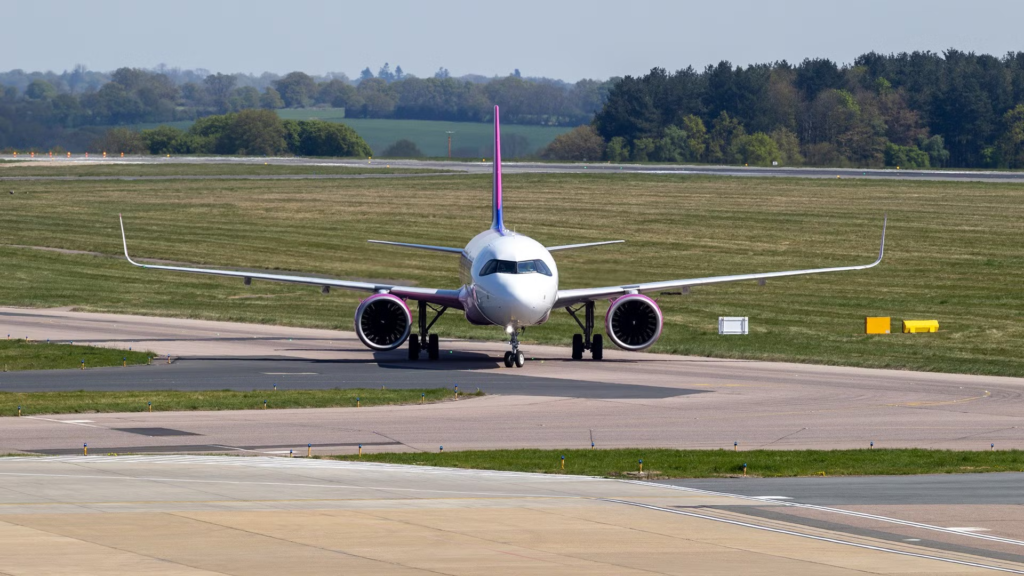
The European ultra-low-cost carrier WizzAir is planning a revised fleet of all Airbus A321neo aircraft from 2033, comprising 368 Airbus A321neos, in addition to 11 game-changing A321XLRs, to support its trans-European and potential long-haul ambitions. The carrier, which operates extensively in Eastern Europe, looks to expand its footprint in Central and Eastern Europe, with new bases planned as it exits both Vienna and Abu Dhabi.
WizzAir, which is headquartered in Budapest, Hungary, operates several subsidiaries, such as Wizz Air Malta and Wizz Air UK. The airline serves destinations across North Africa, the Middle East, South and Central Asia, and most of Europe. It currently has a fleet of more than 240 aircraft. made up of the Airbus A320 family of airplanes, including the A320-200, Airbus A320neo, A321-200, A321neo and Airbus A321XLR.
Withdrawing Older Airplanes

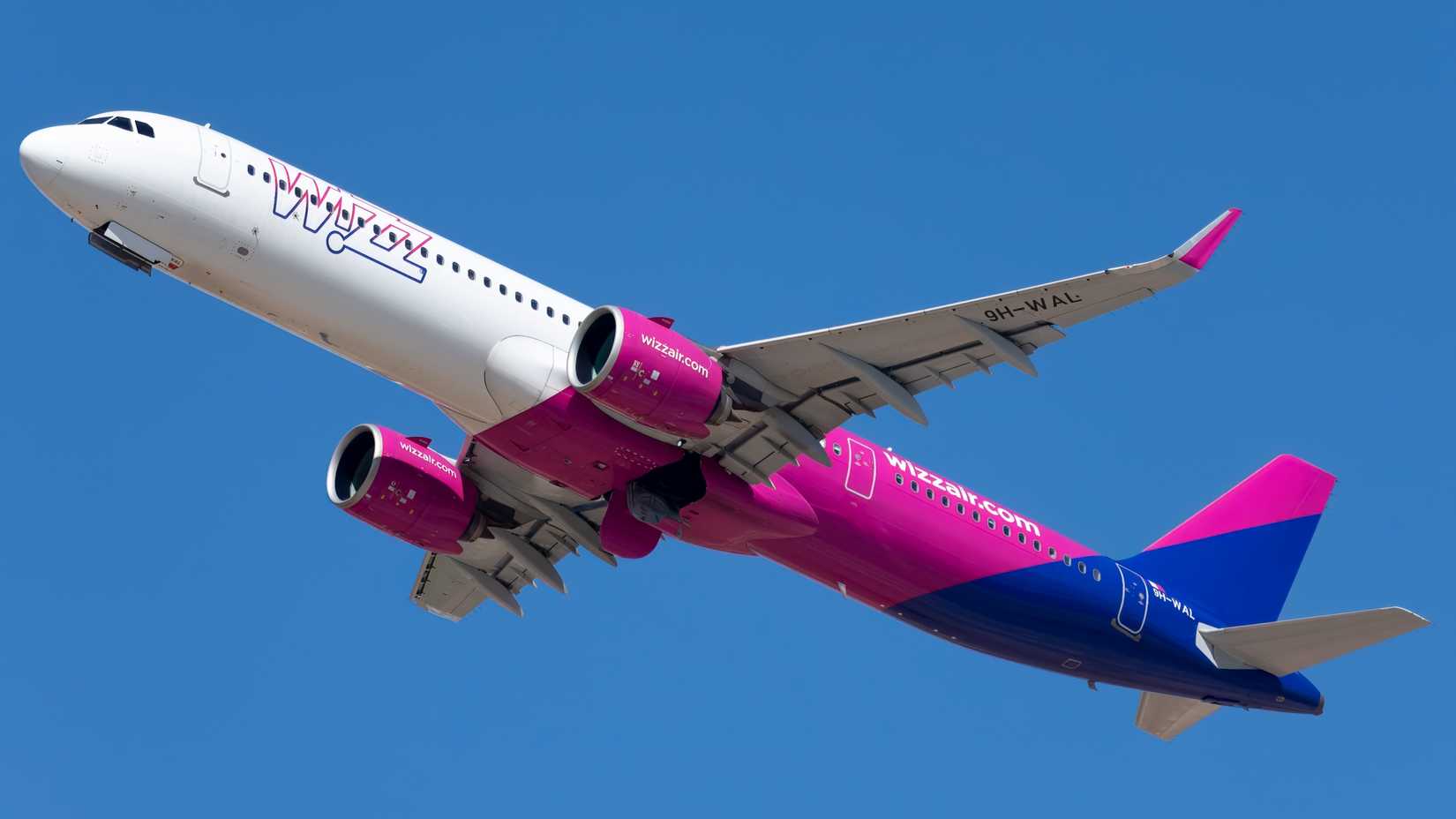
As reported by Aviation Week, the airline plans to withdraw a number of its older A321 aircraft, as well as the majority of its A320s, by the end of the 2029 financial year. Newer A320neo and A320s still on hand may be kept until 2033 under the revised plan. The airline, which initially had an ambitious growth initially, had initial planned to get to 500 aircraft by 2030, but this appears to have now taken a back seat as the airline climbs towards its all-A321 fleet by early in the next decade.
Wizzair has previously looked into new markets to support its European operations, this was seen with its establishment of Wizz Air Abu Dhabi. This venture was done so in partnership with the Abu Dhabi Developmental Holding Company, which had a 51% share in the airline. It was founded in 2019; however ceased operations in September this year. The carrier operates to destinations in Europe, but also as far as Egypt, Bahrain, Iraq, Israel, Kazakhstan Kyrgyzstan, the Maldives, Oman, Russia, and Uzbekistan. The carrier has remained operating to Abu Dhabi from respective bases in Europe, including Budapest, Katowice, Kraków, Larnaca, and Sofia (the latter from November 17).
The airline has gone back to the board table to re-evaluate its future ambitions, and this has come in the shape of an all-A321 fleet, with a focus on Eastern and Central Europe, alongside the Caiscais. The carrier has already pushed east, with the airline already having a significant presence in the Caiscais region, including flights to Armenia, Azerbaijan, and Georgia from various European airports.
Not As Many A321XLR


Part of the carrier’s change in strategy will be the cancellation of many A321XLRs it had on order. The Budapest-based carrier instead changed these over to the A321neo and pushed out scheduled deliveries into the next decade. As a result, the airline now expects that its annual seat capacity and growth will be between 10% and 12% until the end of 2030.
With a firm refocus on Europe, Wizz plans to establish new bases in Poland (Warsaw Modlin), Bosnia & Herzegovina ( Tuzla), Armenia (Yerevan), and Slovakia (Bratislava). All of these airports already see Wizzair scheduled services; however, now it will result in aircraft based there. The airline expects these bases to be cost-neutral from 2027.
More aircraft are also expected to be dedicated to existing bases across Eastern Europe, including Macedonia (Skopje), Bulgaria (Sofia), Poland (Katowice, Wroclaw, Krakow, and Gdansk), Albania (Tirana), and Moldova (Chisinau).
Moving Away From High-Cost Stations


Part of the airline’s renewed focus is to move aircraft away from being based at higher-cost stations, instead realigning with the airline’s focus for Eastern Europe, where it maintains 75% of its operations. The airline is the de facto national carrier for Hungary, given its extensive presence in the country.
The decision to delay a number of its Airbus deliveries should see the carrier reconsolidate its focus to Eastern Europe. while aviation enthusiasts wait eagerly to see which airlines scoop up the carrier’s delivery slots in the meantime.
Wizzair, alongside other European low-cost carriers such as Ryanair and easyJet, has revolutionized the cost of travel across the continent. Their no-frills approach and frequent use of second-tier airports provide cost-conscious travelers the opportunity to see more of Europe for less. Booking a ticket with one of these airlines will offer a seat-only fare, with the option to add checked baggage, meals, seat selection, or priority boarding for a fee.
source