


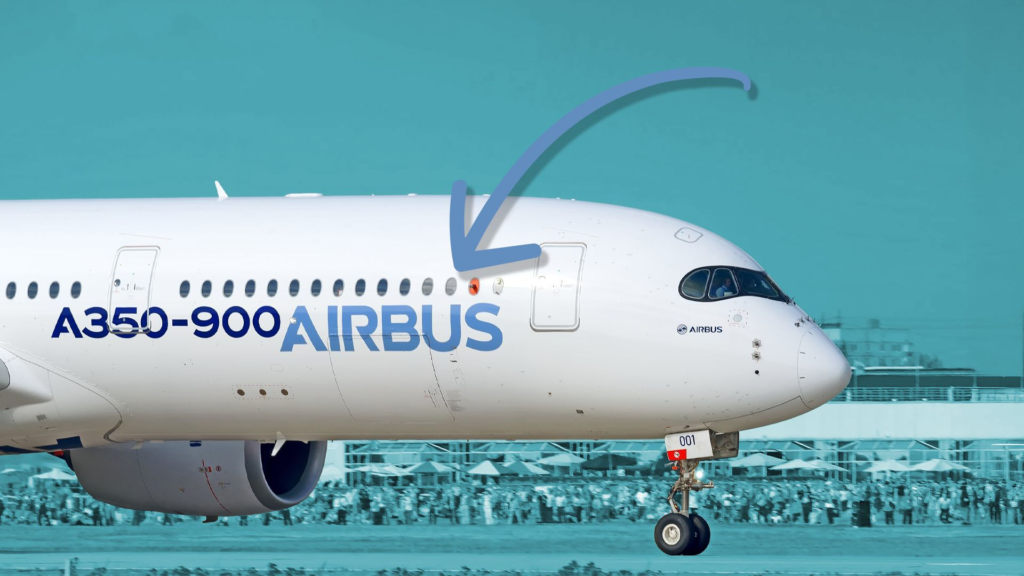
Windows can have a surprisingly large impact on the passenger experience, with modern aircraft increasingly designed to let in plenty of natural light, improve mood, and create a genuine sense of space, even in the often cramped conditions of economy class. Large, well-placed windows can transform a long-haul flight, offering passengers a clearer view of the sky and creating a more open, airy feel inside the cabin.
In this article, we will take a closer look at the size of the windows on both the Airbus A350 and the Boeing 777-300ER, comparing which aircraft offers the more generous window size. Alongside this, we will explore how these two long-haul aircraft have influenced commercial aviation over the past few decades, shaping cabin design, passenger comfort, and airline operations worldwide. From innovative engineering to cabin layout choices, both aircraft have left a lasting mark, and understanding their differences in something as seemingly simple as window size can offer an interesting insight into broader trends in aircraft design.
Which Aircraft Has The Larger Windows?

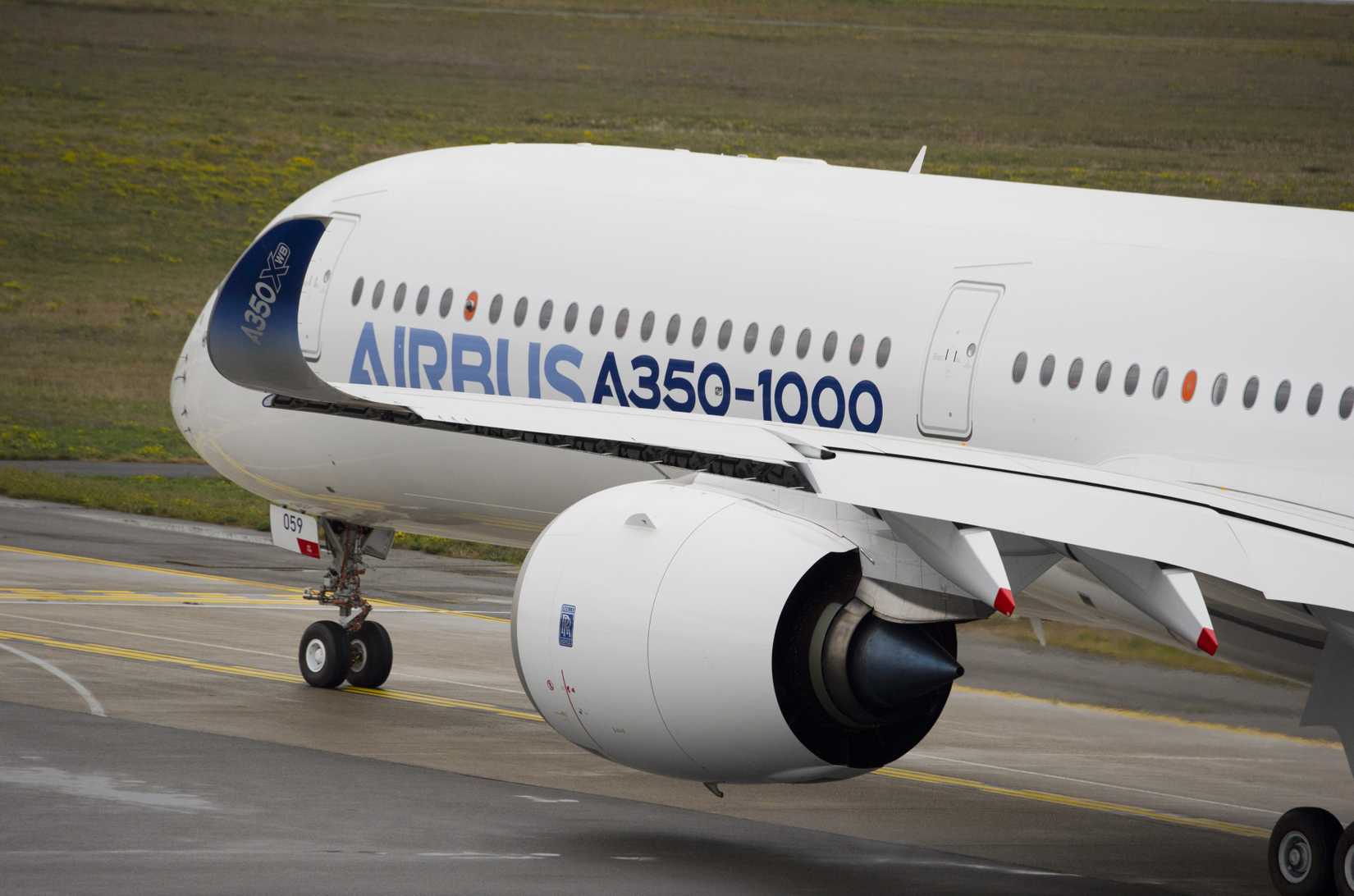
It may come as a surprise to some aviation enthusiasts that, despite being the older design, the Boeing 777-300ER actually offers slightly larger passenger windows than the newer Airbus A350. While the A350’s windows measure around 9.5 by 13.5 inches, the 777-300ER edges ahead with windows that measure roughly 10 by 15 inches. This may be only a modest difference on paper, but one that can be noticeable when passengers are flying on the ultra-long-haul routes that these two aircraft often operate.
This difference reflects broader contrasts between the two long-haul widebodies. The Boeing 777-300ER features a slightly wider fuselage, with an external diameter of approximately 20.3 ft, while the Airbus A350’s fuselage measures around 19.6 ft across. That extra width on the 777 translates into a slightly roomier feel onboard and gives airlines more flexibility in terms of cabin layout and seating configurations.
The Boeing 777-300ER also sits slightly taller off the ground than the Airbus A350, adding to its commanding presence at airports around the world. And while the A350 delivers state-of-the-art materials, advanced aerodynamics, and exceptional cabin quietness, the 777-300ER continues to hold its own. Its larger windows, broader cross-section, and proven long-range capability ensure Boeing’s flagship widebody aircraft remains a firm favorite among airlines and passengers alike.


Boeing 777X Vs. Airbus A350-1000: Who Will Win The Battle For Tomorrow’s Flagship?
The 777X is nearly ready for service, how will it fare against Airbus’ A350?
The Airbus A350 – Technological Innovation & Passenger Comfort


The Airbus A350 represents one of the most significant steps forward in modern commercial aviation, combining advanced materials, long-range capability, and passenger-focused design into a next-generation aircraft. Developed as Airbus’ answer to growing demand for fuel-efficient widebodies, the A350 was conceived in the mid-2000s and underwent several redesigns before emerging as the sleek, composite-rich aircraft we know today. Its first flight took place in 2013, and after a thorough test program, it entered commercial service with 

One of the Airbus A350’s standout features is its extensive use of carbon-fiber-reinforced polymer, which makes up more than half of the aircraft’s structure. This lightweight material allows for reduced fuel burn, longer range, and lower maintenance requirements compared to older aluminum aircraft. The aircraft’s distinctive curved winglets further enhance efficiency by reducing drag and smoothing airflow at the wingtips.
The Airbus A350’s cabin design has also earned widespread praise from both passengers and airlines alike. With a 19.6-ft fuselage diameter, it supports a nine-abreast economy-class layout that is generally regarded as more comfortable than rival configurations at similar densities. Larger overhead lockers, improved pressurization, and a quieter cabin contribute to a noticeably more pleasant flying experience, and although the windows are smaller than those found on the Boeing 777-300ER, they can be tinted to support a more pleasant cabin environment, much like those found onboard the Boeing 787.
Airbus offers the A350 in three main passenger variants – the A350-900, A350-900ULR, and A350-1000. All three aircraft are capable of flying ultra-long-haul routes, but the A350-900ULR in particular was specially designed for 
The World’s Largest Operators Of The Airbus A350


The latest data from ch-aviation shows that Singapore Airlines is currently the world’s largest operator of the Airbus A350, with a total of 65 in its fleet, made up of 58 A350-900s and seven A350-900ULRs. The 
The world’s largest operators of the passenger Airbus A350 are outlined in the table below:
|
Ranking |
Airline |
Airbus A350-900 |
Airbus A350-900ULR |
Airbus A350-1000 |
Total |
|---|---|---|---|---|---|
|
1 |
Singapore Airlines |
58 |
7 |
– |
65 |
|
2 |
Qatar Airways |
34 |
– |
24 |
58 |
|
3 |
Cathay Pacific |
30 |
– |
18 |
48 |
|
4 |
Air France |
38 |
– |
– |
38 |
|
5 |
Delta Air Lines |
37 |
– |
– |
37 |
|
6 |
Air China |
30 |
– |
– |
30 |
|
7 |
Lufthansa |
30 |
– |
– |
30 |
|
8 |
Japan Airlines |
15 |
– |
10 |
25 |
|
9 |
Turkish Airlines |
25 |
– |
– |
25 |
|
10 |
Thai Airways |
23 |
– |
– |
23 |

Why The Airbus A350 Has Such An Ultimate Passenger Experience
Discover why the Airbus A350 offers the ultimate passenger experience — quieter cabins, roomier seats, and comfort praised by flyers worldwide.
The Boeing 777-300ER – A Backbone Of Many Long-Haul Fleets

The Boeing 777-300ER stands as one of Boeing’s most iconic long-haul workhorses in commercial aviation history, and is a stretched, extended-range version of the original 777 that blends large capacity with long range. First announced in February 2000, this variant of the already popular widebody was developed in response to airline demand for a larger, higher-capacity twin-engine aircraft.
Compared to the original Boeing 777, the 777-300ER boasts several improvements, including raked wingtips for improved aerodynamic efficiency, a strengthened structure and landing gear, and additional fuel tanks. The aircraft is powered by two General Electric GE90 engines, which are among the most powerful commercial turbofan engines ever built, each delivering up to 115,300 lbs of thrust. Thanks to these upgrades, the 777-300ER can fly around 8,480 miles and can carry around 396 passengers in a typical two-class configuration.
The first Boeing 777-300ER took to the skies in February 2003. The aircraft was certified in early 2004 and was delivered to its launch customer, Air France, soon after. On the inside, the Boeing 777-300ER features curved panels and pivoting overhead lockers that help to generate an increased sense of space, especially when combined with the aircraft’s larger-than-average windows.
Even today, years after its introduction, the Boeing 777-300ER remains a backbone of many long-haul fleets. Its mix of capacity, reliability, and twin-engine efficiency continues to make it a workhorse for carriers around the world.

Airbus A380 Vs. Boeing 777X: Which Is the Bigger Aircraft?
The answer depends on the measure used.
The World’s Largest Operators Of The Boeing 777-300ER


The table below outlines the current largest operators of the Boeing 777-300ER:
|
Ranking |
Airline |
Boeing 777-300ER |
|---|---|---|
|
1 |
Emirates |
124 |
|
2 |
Qatar Airways |
57 |
|
3 |
Air France |
43 |
|
4 |
Cathay Pacific |
35 |
|
5 |
Saudia |
35 |
|
6 |
EVA Air |
34 |
|
7 |
Turkish Airlines |
33 |
|
8 |
Air China |
28 |
|
9 |
Korean Air |
25 |
|
10 |
Singapore Airlines |
22 |
The Boeing 777X – Future Of The Boeing 777

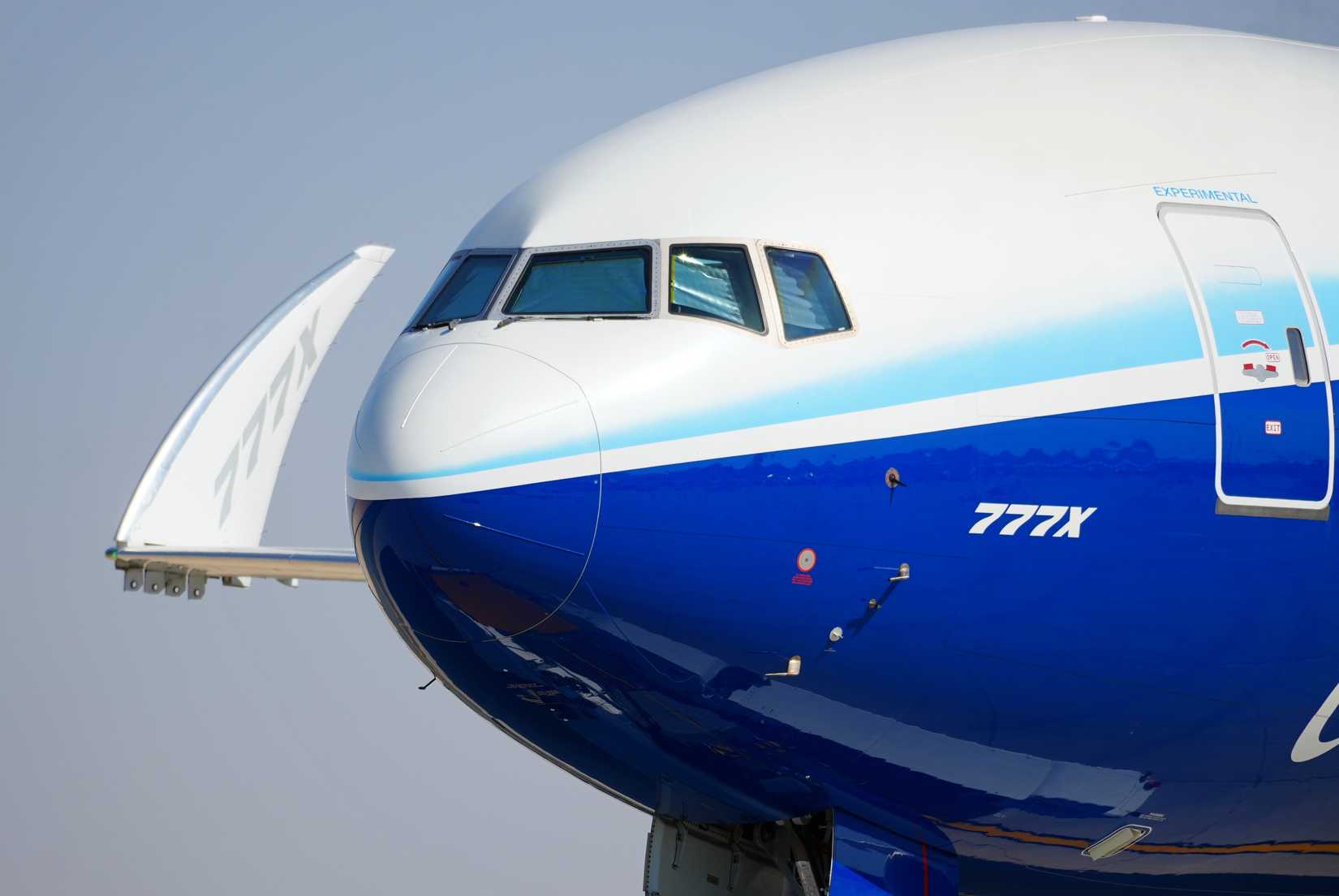
The Boeing 777X is shaping up to be another major leap forward in long‑haul aviation, not just in efficiency, but in passenger experience. The aircraft’s carbon‑fiber composite wings with folding wingtips and its powerful General Electric GE9X engines deliver both cutting-edge performance and fuel savings. The wings extend in flight for maximum lift, then fold on the ground to fit existing airport gates, which is a clever way to boost performance without demanding new airport infrastructure. This is in stark contrast to the introduction of the mighty Airbus A380, which required many airports to strengthen and expand their infrastructures when it was introduced back in 2007.
Inside, the Boeing 777X cabin owes much to the design of the earlier 787, featuring a wider fuselage and higher ceiling that make the cabin feel more open and airy. When it comes to the 777X’s windows, they measure roughly 9.7 by 16.7 in, making them slightly larger than those found on the aircraft’s predecessor, the 777-300ER.
Passengers on the Boeing 777X will benefit from a lower cabin altitude of around 6,000 ft, better humidity, advanced air filtration, and mood lighting, which are all designed to reduce fatigue on longer flights. Storage has also been improved, as the overhead lockers have been redesigned to carry more bags.
Despite all these advances, the Boeing 777X program has hit significant delays. Originally launched in 2013, the aircraft was expected to enter commercial service around 2020, but certification has proved tougher than anticipated, and test flights were paused after intense FAA scrutiny over the aircraft’s folding-wing design slowed progress. As things stand currently, the first deliveries are not expected to take place until 2027, with Lufthansa being the aircraft’s launch customer.
source