


Malaysian ultra low cost carrier AirAsia has just placed an order for the Airbus A220. Not only does it represent a major departure from the carrier’s historical approach to fleet planning, but it’s also the biggest-ever single order for this aircraft.
AirAsia will add 160-seat Airbus A220-300 to fleet
AirAsia has placed a firm order for 150 Airbus A220-300 aircraft, with deliveries expected to begin in 2028. The purchase agreement is the largest single firm order placed for the A220, and propels the program beyond the 1,000 firm order milestone, which is major.
It’s also worth noting that AirAsia is the launch customer for the high density version of the A220-300. The plane is otherwise certified for up to 149 seats, but by adding an extra overwing exit, the capacity can be increased to 160 seats. Note that this high density A220-300 is different from the stretched A220-500 concept, which Airbus is seriously considering.
As it’s described, the A220 will play a key role with AirAsia’s network across ASEAN and into Central Asia, freeing up larger aircraft to fly longer routes. Here’s how AirAsia CEO Tony Fernandes describes this order:
“We have built AirAsia by making bold decisions at the right moment, not the easiest moment. This order reflects our long-term discipline and the scale of our ambitions. The A220 unlocks new markets and routes and brings us closer to building the world’s first true low-cost network carrier. Our partnership with Airbus spans more than two decades and has been central to everything we have achieved. Today is another milestone in that journey, and there are many more to come.”

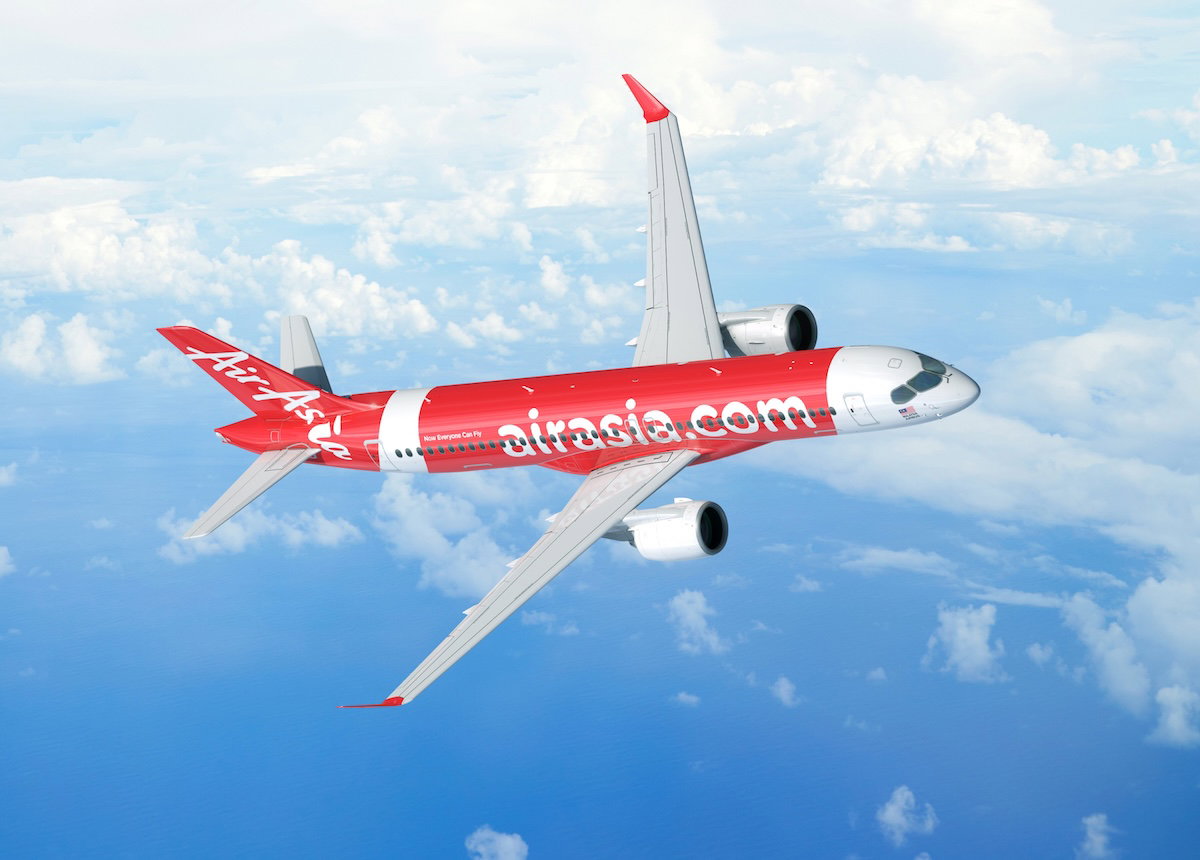
How the Airbus A220 will fit into AirAsia’s fleet
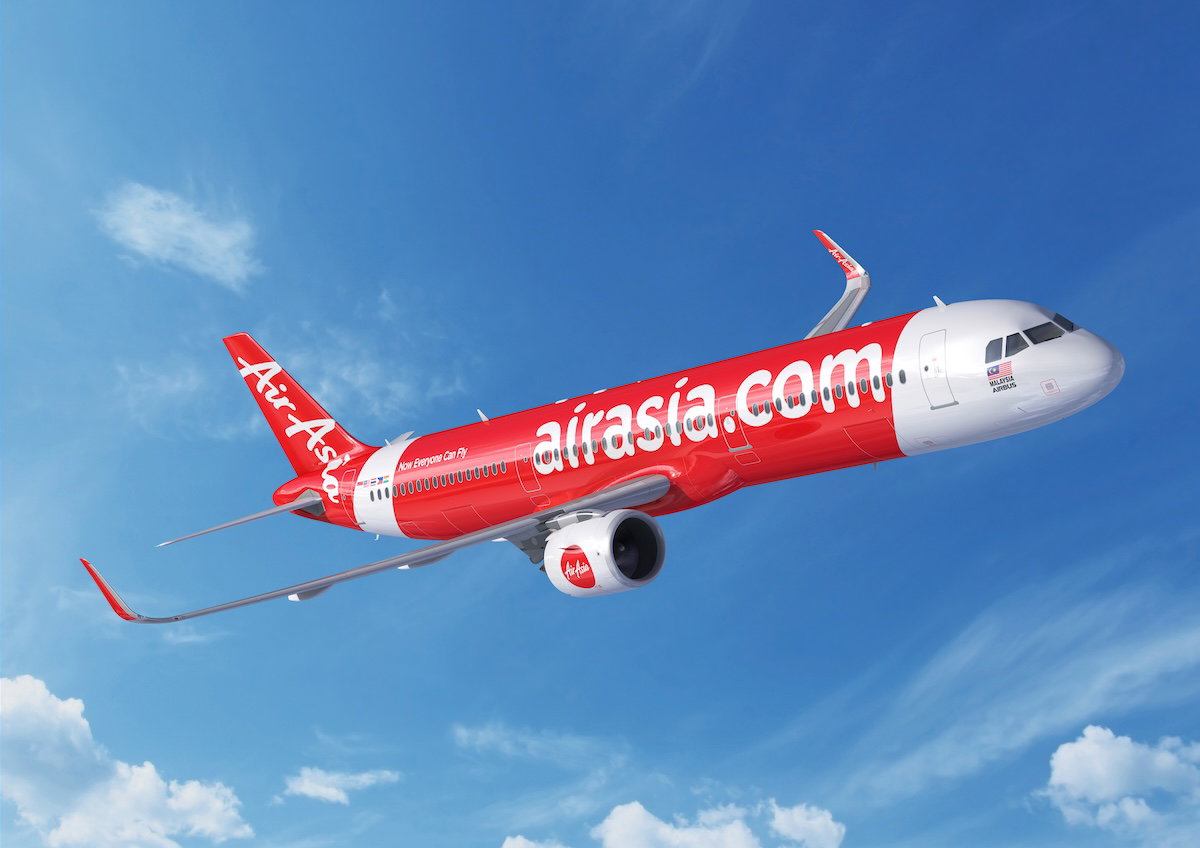
The fleet of AirAsia’s Malaysia subsidiary otherwise consists primarily of Airbus A320-family aircraft, including both the classic (ceo) and next generation (neo) versions. For example, the airline has over 400 A321 aircraft on order, between the A321neo, A321LR, and A321XLR. At least initially, those planes are all going to be configured with 236 people, in a one-cabin configuration.
Presumably these A220s will over time replace some of the classic A320s, which have 180 seats. So that fleet replacement does represent a capacity downgrade on a per-aircraft basis, though I imagine the total number of frames will be greater. You also can’t argue with the operating costs of the A220, especially with so many seats.
So while many airlines hesitate to introduce a new type of aircraft when they benefit from fleet commonality, it’s clear that AirAsia has the ability to scale multiple fleets, in a way where they can all be operated efficiently.
Given AirAsia’s size and what a good customer of Airbus it has been, I imagine the airline got a great deal on these aircraft. It’s understandable that for its long term fleet growth, the airline also wants something smaller than the 236-seat A321neos. If you don’t need the range of the A320neo, there’s a lot of merit to the A220-300, given the lower cost per frame, lower operating costs, etc.
This is also a massive win for Airbus, because up until now, the A220 hasn’t been particularly popular with ultra low cost carriers (with some exceptions, like Breeze, which is more of a “value” airline than an ultra low cost one).

Bottom line
AirAsia has announced a firm order for 150 Airbus A220-300s, with deliveries expected as of 2028. AirAsia will be the launch customer for the high density version of the A220-300, which can have up to 160 seats (thanks to an extra emergency exit). Congrats to AirAsia and Airbus, this is a good development all-around.
What do you make of AirAsia’s A220 order?
source