


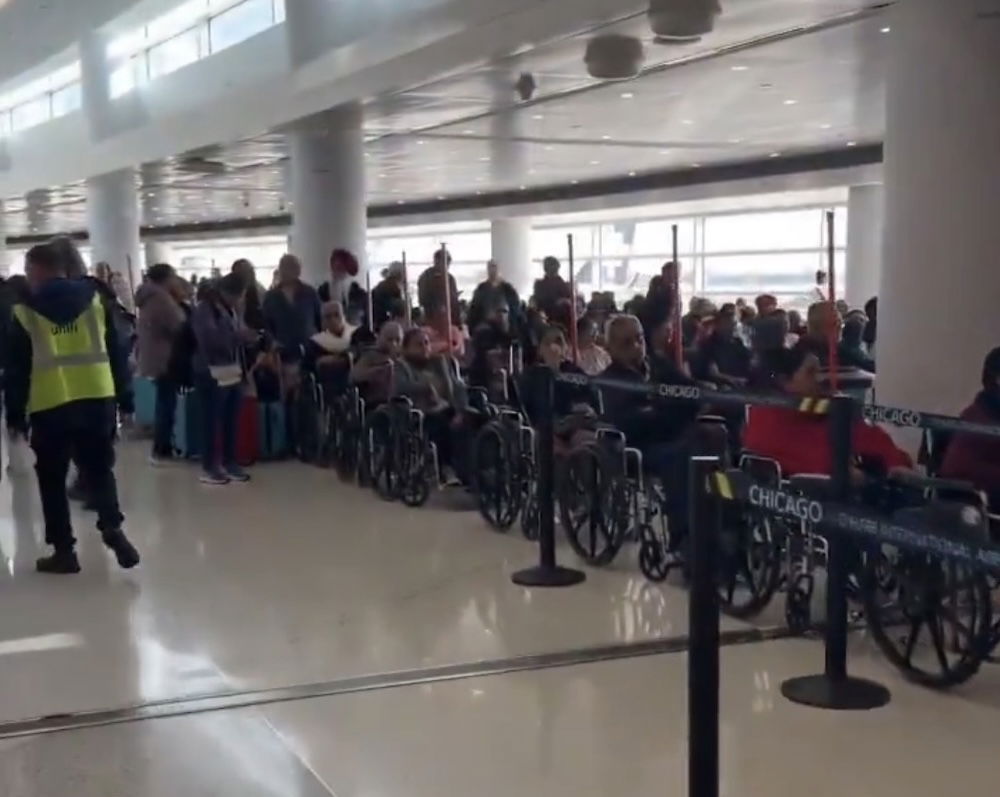
There are currently widespread discussions online regarding wheelchair use at airports, due to a video that’s going viral. While I know many people think that some travelers are scamming or abusing the system, I think it’s a little more nuanced than that.
The viral Air India wheelchair video at Chicago O’Hare
A video on Twitter/X showing the gate area for an Air India flight out of Chicago O’Hare Airport (ORD) has now been viewed close to 15 million times. The reason it’s getting so much attention is because of the massive queue of wheelchairs at the gate.
While you’ll of course find passengers on all kinds of flights requesting wheelchairs, some airlines have more frequent wheelchair requests than others. For example, on Air India flights from the United States, it’s not uncommon to see 30% of passengers requesting wheelchairs.
The 1986 Air Carrier Access Act requires airlines to provide wheelchairs at the airport for all passengers with disabilities at no extra cost. This is an important service that many people legitimately need, and rely on in order to be able to travel.
Of course when videos like this are posted, people will often accuse some of these passengers of abusing the system or scamming the airline in order to be able to board early.
Personally, I think it’s a little more nuanced than that. Does everyone who requests a wheelchair need it in terms of mobility? Probably not. But it’s also important to keep in mind the passenger profile on many of these flights.
You have a lot of elderly travelers coming to visit their children and grandchildren in the United States. They might not be familiar with traveling internationally, they may not speak English, and they may just be scared to navigate airports without assistance. For a lot of people, international travel is intimidating. So ordering the wheelchair service is a way that they can have their “hand held” throughout the airport experience.
It’s a little different than what some passengers on Southwest have historically been accused of, where the airline has an open seating policy, and the widespread belief is that some people request wheelchairs in order to be able to board early, and have their choice of seats (this advantage will end soon, when Southwest switches to assigned seating).
These wheelchairs are costly, but is there a solution?
Many people don’t realize just how costly these wheelchair services are for airlines. Last year, Frontier Airlines CEO Barry Biffle claimed that each time a passenger requests a wheelchair, it costs the airline $30-35. So if you have dozens and dozens of those requested per flight, the cost really adds up, and can materially eat into margins (especially for connecting itineraries — admittedly I suspect the cost for providing this service is lower in India than in the United States).
The issues go beyond that, though. It also takes a lot longer to get passengers in wheelchairs onboard planes, so it makes the boarding process take longer, which can complicate operations.
So one certainly wonders if there’s any creative solution that airlines could implement that could give passengers extra guidance in the airport, without actually having them request a wheelchair.
You always see some people suggesting that airlines should charge passengers for using wheelchairs, but that’s not happening, because it’s illegal.
Is there another option, though? Could carriers like Air India introduce some sort of a group escort system to take people to gates, for those who feel like they need help navigating the airport? After all, it would be a lot cheaper to have one person guiding a group of a dozen people, rather than each individual person having a wheelchair attendant.
Okay, that’s probably not realistic either. But still, I’m convinced there must be some creative solution, since I’m convinced the issue here isn’t “scamming,” but partly just people wanting some help in an unfamiliar environment.

Bottom line
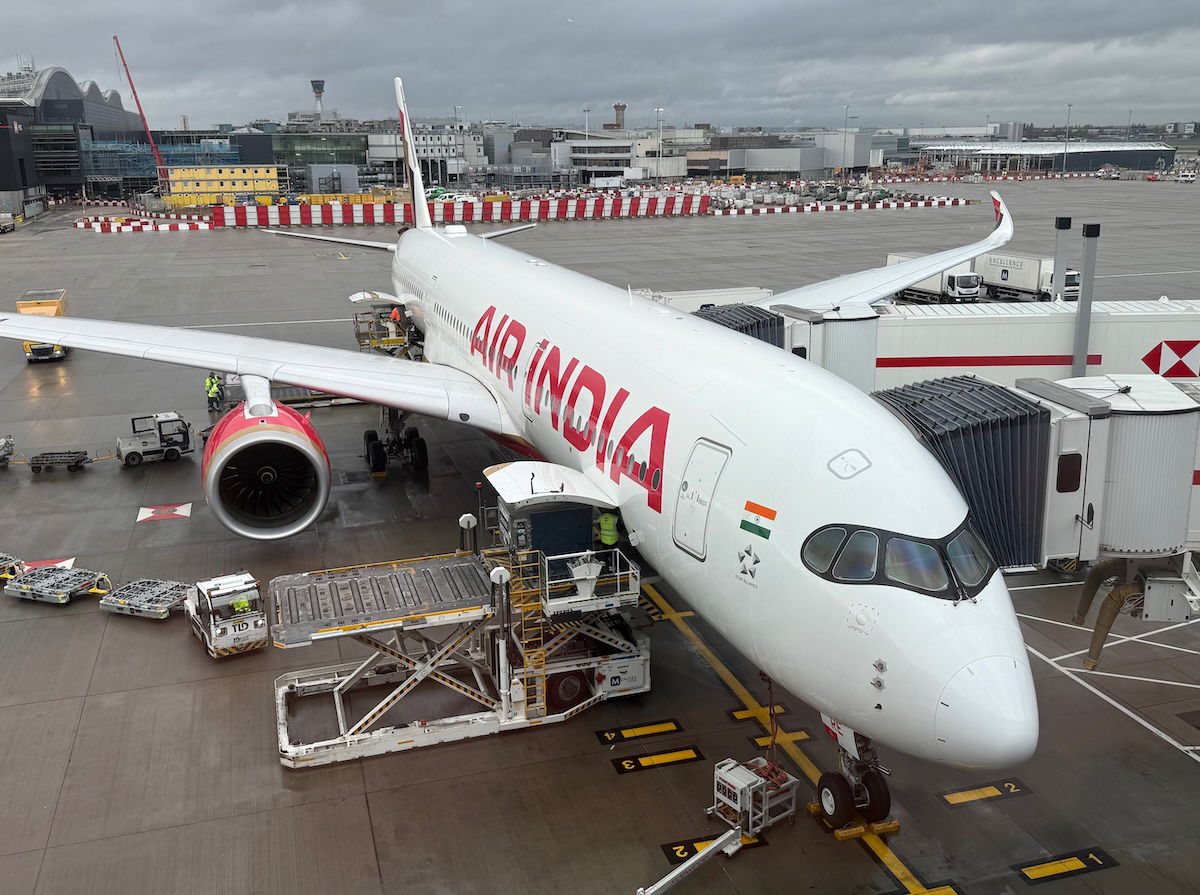
While all airlines have to provide wheelchairs for passengers as needed, the rate at which they’re requested seems to vary massively based on the airline, route, etc. In the United States, Air India flights appear to most consistently have a high percentage of passengers ordering wheelchairs, with some flights having 30% of passengers requesting them.
These wheelchair requests are costly, though airlines are legally required to offer this service. Unlike many others, I don’t necessarily think that the goal for most people it to scam or abuse the system. Instead, I think the request is often due to unfamiliarity with airports, and not wanting to navigate them alone. It seems like there should be some creative middle ground option that’s offered, which provides some level of guidance, without being so costly for airlines.
What do you make of this airport wheelchair situation, and do you think there’s a solution?
source