


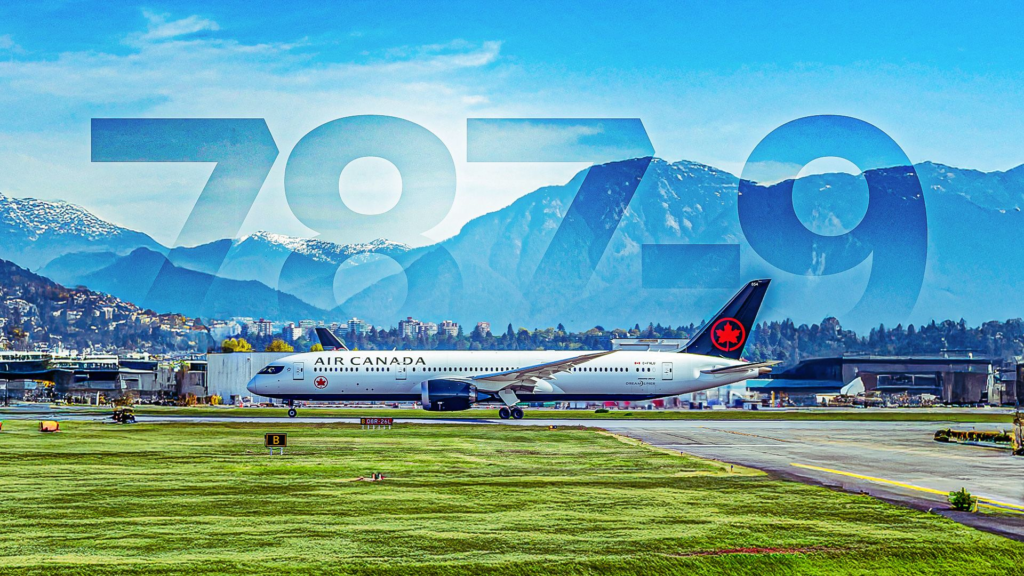
Despite increased political tensions between the two neighboring countries in recent years, transborder traffic to the United States of America remains a key market for Canadian flag carrier 

However, this aspect of the 
The 787-8 Operates Air Canada’s Most Frequent Widebody Transborder Flight

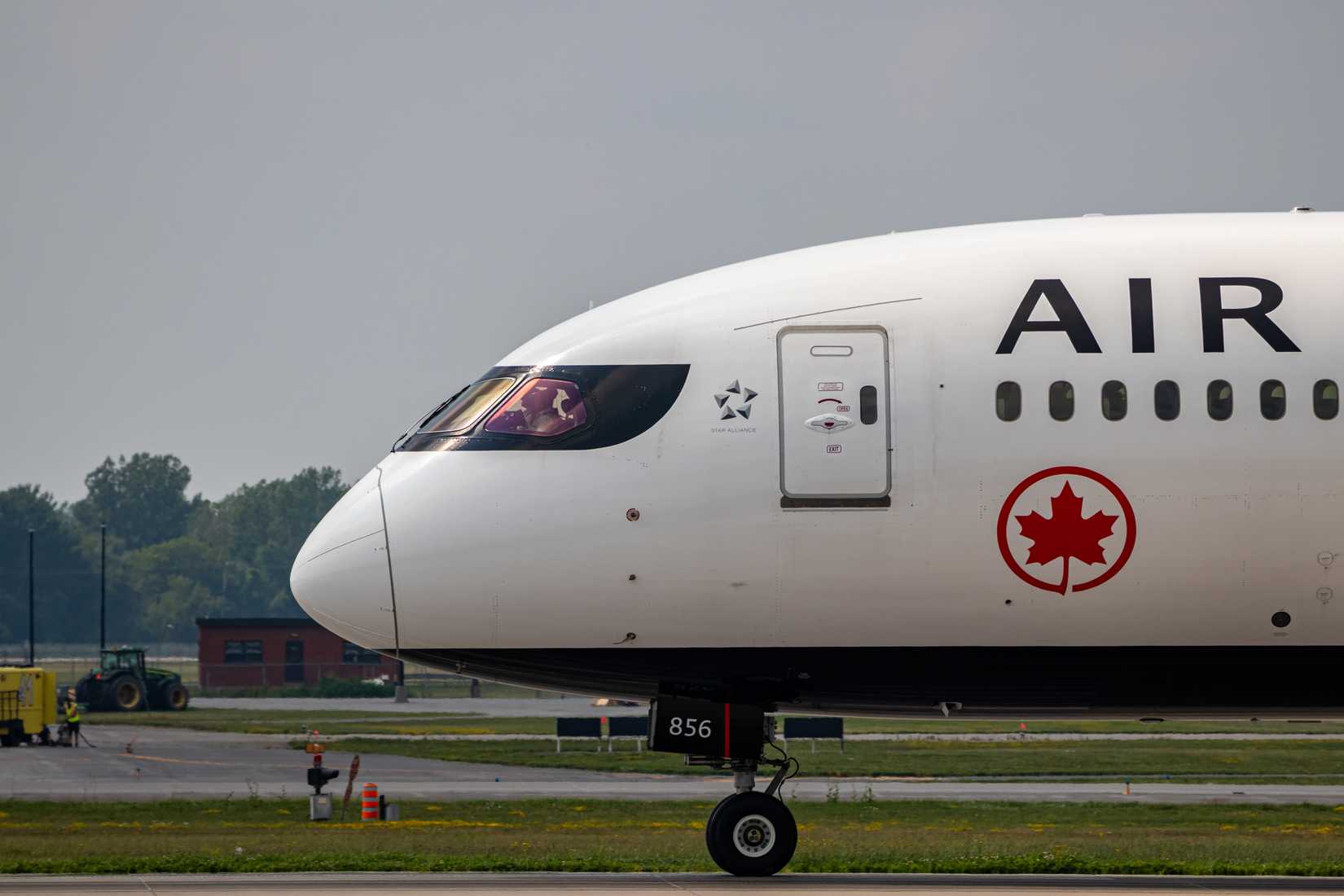
According to Cirium, 134 of Air Canada’s transborder flights this month are scheduled to be operated by widebody twinjets. Of these 50, can be found on the corridor between Toronto Pearson (YYZ) and 
The 787-8, which has 255 seats across three classes according to aeroLOPA, will serve this route daily until October 25, before being swapped out with the onset of the IATA Winter Schedule. Its only other transborder presence this month comes between Montréal (YUL) and Fort Lauderdale (FLL), with a single round trip on October 31. The 787 family as a whole is a key tool for Air Canada, as the carrier notes:
“Five years ago, we introduced our Boeing 787 Dreamliner aircraft on two routes with a dream of flying the flag to places we’d never been before. Today, those two routes have grown to 31 across five continents, with 35 Dreamliners travelling the globe daily, serving customers in 27 languages.”
The A330-300 Specializes In Routes To Florida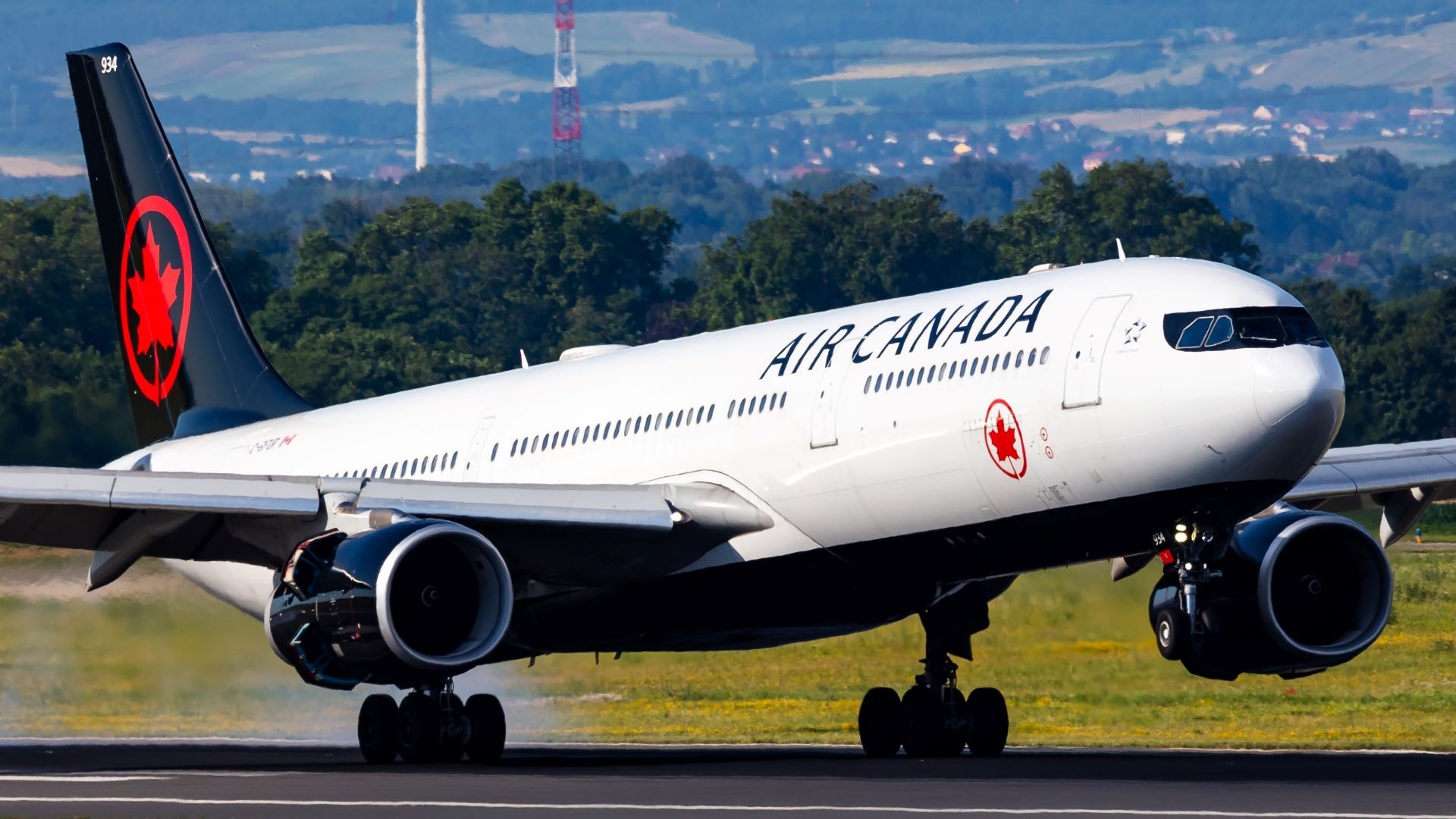

While the Boeing 787-8 operates Air Canada’s most frequent transborder widebody route this month, the Airbus A330-300 will serve the greatest number of different US corridors in October 2025, with three. Of these, one is the aforementioned route from Montréal to Fort Lauderdale, which the A330-300 will operate 11 times at the end of the month (twice daily from October 26-30 and once on October 31).
As it happens, Florida’s Fort Lauderdale actually accounts for two of Air Canada’s three A330-operated transborder routes this month, with the type also flying there from 
The A330-300’s third and final transborder route at Air Canada this month sees the carrier turn its focus from Florida to California, with 12 rotations between Montréal and Los Angeles. These will operate at staggered frequencies throughout October, but none are planned after the schedule change.
Only One Transborder Route For The Boeing 787-9
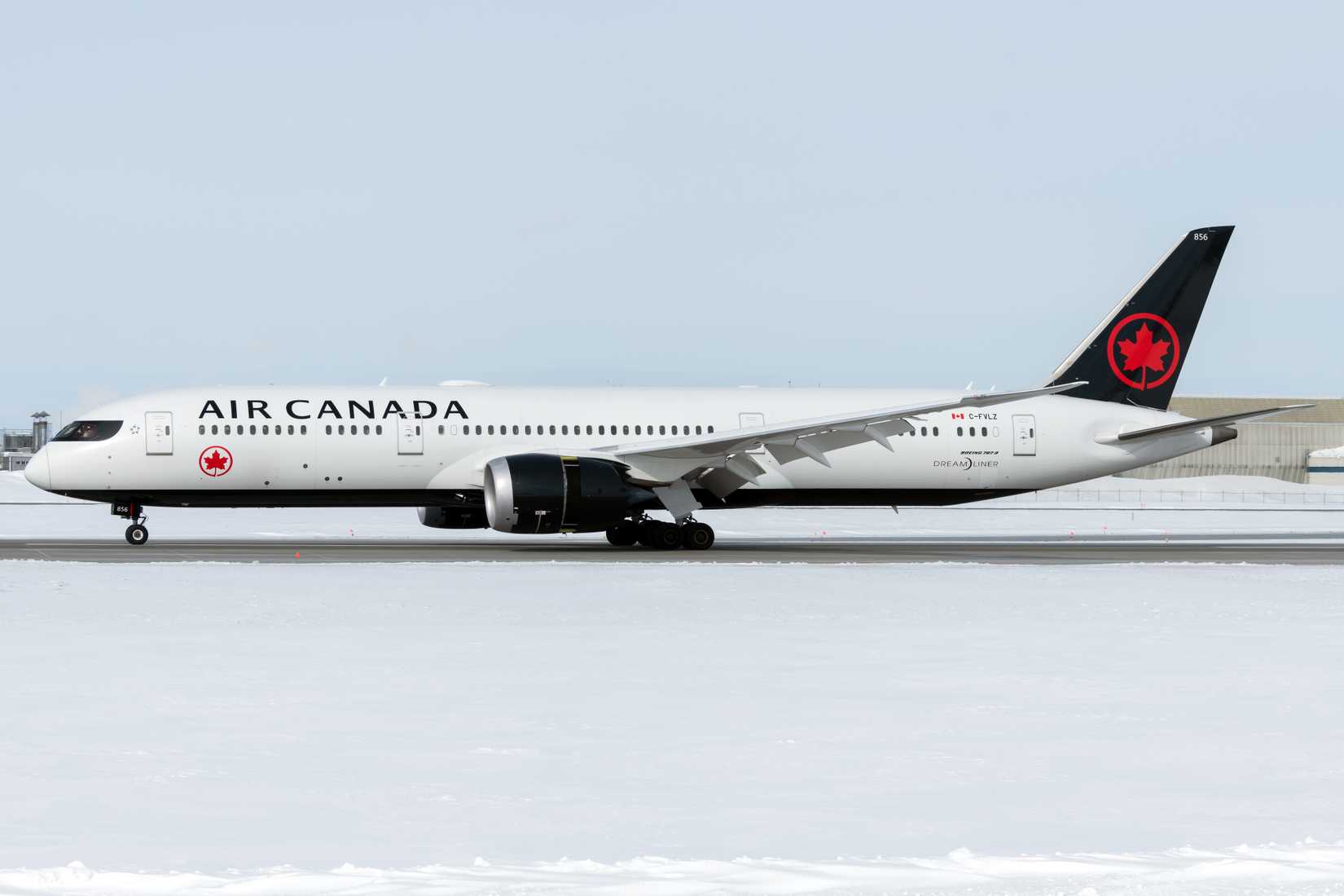
The switch from the IATA Summer Schedule to its Winter counterpart, which you can read more about in our handy guide, will also herald the deployment of the mid-sized Boeing 787-9 Dreamliner on one of Air Canada’s transborder routes. From October 25 onwards, the type will be used on a daily basis.
The corridor in question links Newark Liberty International Airport (EWR) with Vancouver (YVR), and its eastbound block time is five hours and eight minutes. Returning westward, Air Canada has budgeted five hours and 50 minutes, with the service taking off at 18:25 and landing at 21:15 local time.
Much like its smaller Boeing 787-8 Dreamliner aircraft, Air Canada’s 787-9s feature a three-class configuration, although its larger size means that it can boast a larger overall capacity of 298 passengers. This figure consists of 30 four-abreast Signature business class flatbeds, 21 seven-abreast premium economy recliners, and 247 nine-abreast economy class seats (although the last row has a nicer 2-3-2 layout).
source