


If you are considering becoming a pilot, are nearly finished with your training, or are looking at the career move to a different sector of the industry, naturally, pay is among the first considerations when choosing an air carrier to fly for. Individual pay varies greatly, not only by airline and individual experience but also by a myriad of other factors.
The average gross salary in the United Kingdom falls around €90,253 (£78,146), but experienced captains earn significantly more, and second officers start well below that number. The highest pay can go up to €216,000, and the lowest entry-level wage sits at around €24,000 a year. Now that we’ve hit the highlights, let’s dive into the driving factors behind those figures.

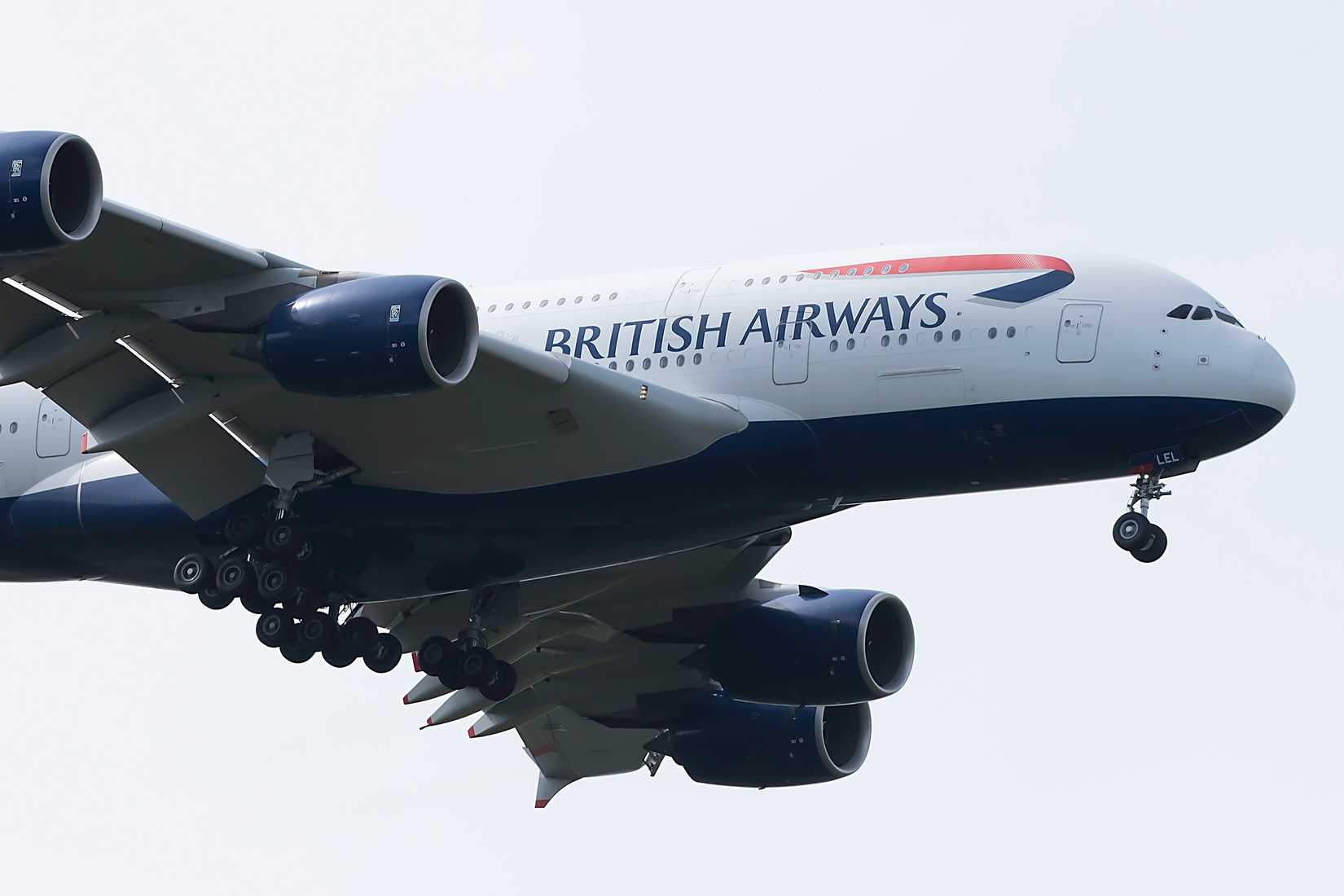
Pilot salaries vary significantly across the industry, with the UK being one of the higher-paying European countries, though generally below top earners like Switzerland and Germany on an absolute gross salary basis. The broad strokes are that regional pilots typically earn less than mainline commercial pilots. Pilots flying larger and more complex, long-haul jetliners will also earn more. That is essentially attributed to the fact that more experience and training are required to climb into the cockpit of a plane like the Airbus A380 or Boeing 747.
It can be difficult to get an accurate assessment of pilot pay across the industry. Firstly, ranking is the most important factor when it comes to individual pay. Naturally, captains have experience, ratings, and seniority that ensure they fall on the high end of the pay scale. Aside from that, there are also considerations for the type of flying that a pilot is doing, and the individual carriers all have different pay and benefit systems. The pay scale for Europe in general, according to data compiled by Ask A Pilot, follows this general range:
|
Aircraft Class |
Second Officer |
First Officer |
Captain |
|---|---|---|---|
|
Commercial Long-Haul |
N/A |
€7,700 – 11,500 |
€10,300 – 18,000 |
|
Commercial |
€3,100 |
€4,400 – 7,300 |
€8,200 – 13,500 |
|
Cargo |
€3,000 |
€5,700 – 7,500 |
€10,600 – 15,300 |
|
Regional |
€2,000 |
€3,100 – 4,500 |
€5,300 – 7,700 |
|
Private |
N/A |
€3,800 – 5,300 |
€6,300 – 8,800 |
In the UK, senior long-haul captains, particularly at major airlines in locations like London, can earn over £150,000 (€175,000+). Notably, some senior cargo pilots can actually earn more than their counterparts in the passenger service. Generally, Switzerland and Germany have higher salary ranges than the UK, while countries like France, Spain, Italy, Poland, and Czechia have lower ranges.
Breaking Into The Business


When it comes to getting your foot in the door with the flying industry, there are a few different options to build the basic level of experience and qualifications required to apply for a job with the mainline carrier. The first hurdle is the gap between initial qualifications and the 1,500+ flight hours required to be considered. Many new pilots have to manage substantial training debt while making a modest income in an entry-level role.
Working in the General Aviation (GA) industry or taking a position as a Certified Flight Instructor (CFI) are the most common choices before taking the controls of a regional passenger plane. To land a position as a second officer or first officer with a regional airline requires either turboprop or jet-powered aircraft training, and generally requires multi-engine training as well. Until new pilots can obtain these certifications, gigs like towing banners or flying aerial surveys, as well as cargo and charter flights in propeller aircraft, are common choices.
After being selected by a regional carrier, more opportunities open up for higher pay as well as gaining experience in the ratings and certifications necessary to move up to larger commercial jets. Pay in this sector of the industry is on the lower end of the spectrum, but is generally seen as an interim role for aspiring pilots before they move up to bigger airliners with larger carriers.
Notably, while having previous military experience was once the dominant pathway, today it is less common for UK commercial pilots to have a military background. The majority of commercial pilots now enter the industry through civilian training routes. Despite no longer being the majority, military experience remains a highly valued and respected background within the commercial aviation sector.


What Is The Typical Salary For A Fighter Jet Pilot In The US?
Fighter pilots are exceptionally well-paid.
Commercial Pilots

Securing a position as a first officer with an airline like British Airways or Ryanair is the first step to receiving an “unfrozen” Airline Transport Pilot License (ATPL). Pilots get their “frozen” ATPL after passing the theory test once they receive a Multi-Engine Instrument Rating (MEIR) and pass the Commercial Pilot’s License (CPL) test. Once an early career pilot has all of these qualifications under their belt, they can begin a career flying big jets and work towards eligibility for the rank of captain. To begin unfreezing your ATPL, you’ll need the following, according to Pilot Hub UK:
|
Experience Description |
|---|
|
500 hours on a multi-pilot transport or commuter aircraft |
|
250 hours as Pilot in Command (PIC) |
|
200 hours on cross-country flights |
|
75 Hours of Instrument Flight Time |
|
100 hours of night flying as either Pilot in Command or Co-Pilot |
|
1500 Hours Total Flight Time |
The unfrozen ATPL means that commercial pilots are eligible to obtain the rank of captain with sufficient experience and merit-based performance as their airline judges. Becoming an accountant is determined by skill, ratings, experience, but also the availability and economics of the time. There is indeed a great demand for pilots, but more popular airlines may not have openings for captains very often.
Additionally, the aviation industry is very sensitive to economic downturn, and job availability fluctuates depending on company performance. Becoming a captain with an iconic airline like 

Cargo Pilot Pay

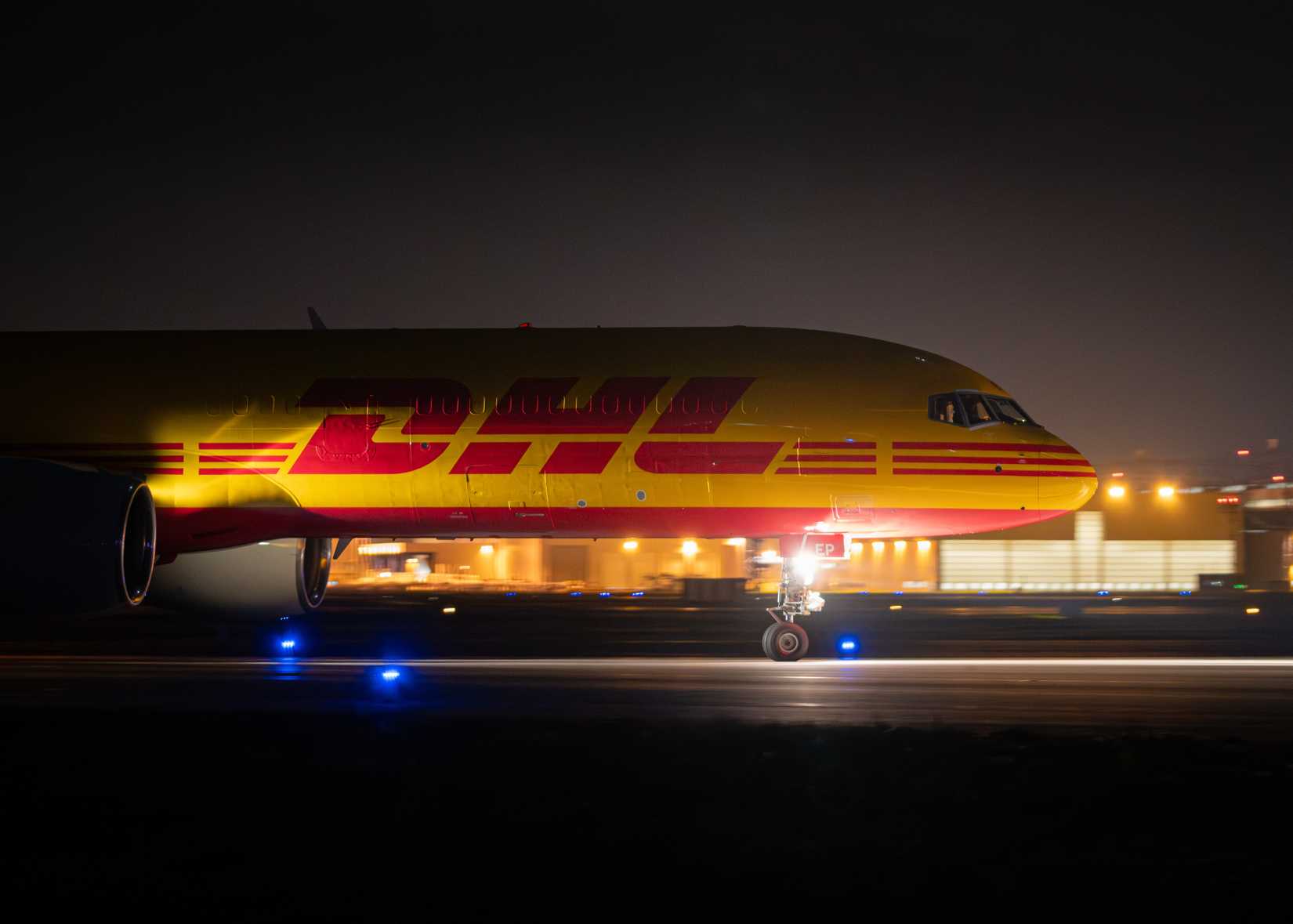
The air cargo industry has some unique differences in comparison to the passenger airline business. The absence of cabin crew or Travelers aboard the plane means that pilots focus solely on the technical aspects of their job. Many pilots prefer this style of flying, although the downside is that much of the schedule is conducted at night when passenger traffic is lower. The pay scale also tends to be lower than that of passenger pilots at the senior level.
Compensation is competitive, although it does not achieve the meteoric highs that some senior captains can attain with Mainline passenger carriers. Another benefit of flying cargo is that the industry can be more stable during economic lulls when fewer people are flying, but freight still needs to reach its destination. The coronavirus pandemic was a historic time that highlighted the state of the flying business. Air Cargo has continued to rise with strong growth even since the COVID-19 air travel lockdown ended.
The UK has a well-established and vital air cargo sector, with major hubs like East Midlands Airport being a large “pure” cargo operation. Some of the top carriers in the UK for air freight services include: DHL Air UK, West Atlantic UK, European Cargo, One Air, and IAG Cargo. Some of these carriers have programs to train low-hour Cadet Pilots. There are also smaller cargo operators where pilots, early in their careers, can gain the experience they need to fly bigger freighters.

A Guide To The Salary Of Private Jet Crew Members In 2025
So many variables.
The Bizjet Pilots
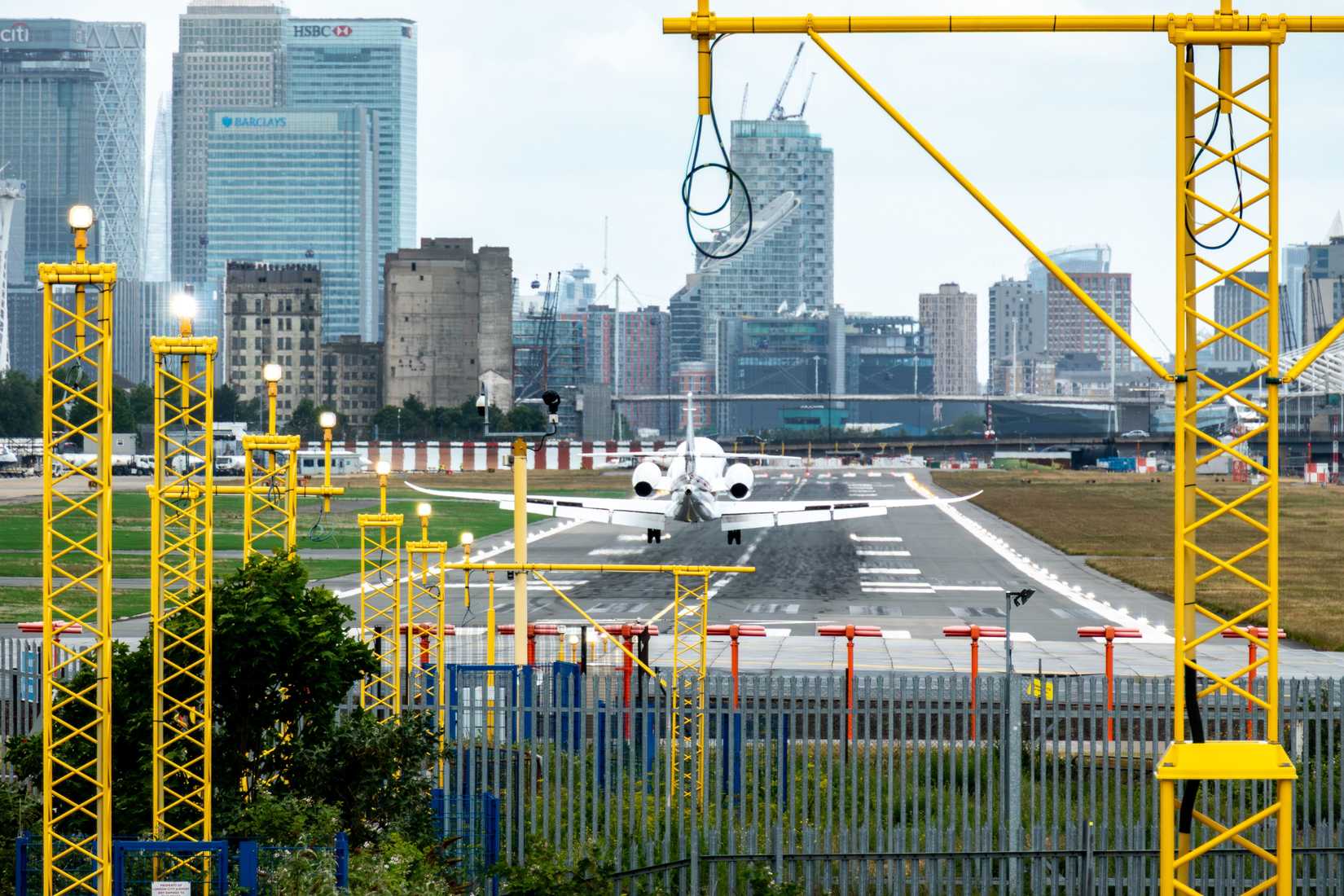
Executive aviation, or flying business jets, is a niche part of the industry that is generally not going to be available to an entry-level pilot. Most first officers and captains who fly in this segment of the market have previous experience. This job can be glamorous and lucrative, with some clients even tipping their aircrew. On the other hand, schedules are exceptionally unpredictable, and a lot of time can be spent sitting on the ground.
The job demands impeccable professionalism, discretion, and a high standard of personal presentation due to the clientele. Pilots may be called to perform international flights with only a few hours’ notice and then be gone for a week or two at a time. The aircrew is also expected to greet the high-value passengers who will be flying to their destination. The role of flying a private aircraft involves a much more personal connection with the passenger than any other professional flying career.
Being a private (business) jet pilot is often considered more competitive and harder to join than commercial airline flying, primarily due to the smaller number of job openings, higher experience expectations, and the nature of the industry’s network. The UK is a major hub for private jet travel in Europe, particularly in the London area, with a high volume of flights to destinations like France, Spain, and Switzerland.
Many private aviation jobs are filled through personal connections and word-of-mouth rather than large, public recruitment drives. Private pilots are also expected to perform more of the planning and maintenance work that goes along with a smaller operation. Fewer support staff means more responsibilities for aircrew, which necessitates a higher skill barrier for entry-level aircrew.
source