


Over a quarter of a century has passed since the start of the world’s first global alliance, which was 


Speaking at Routes World in Hong Kong, senior network planning figures from 


Oman Air Can Reach 150+ Destinations With oneworld

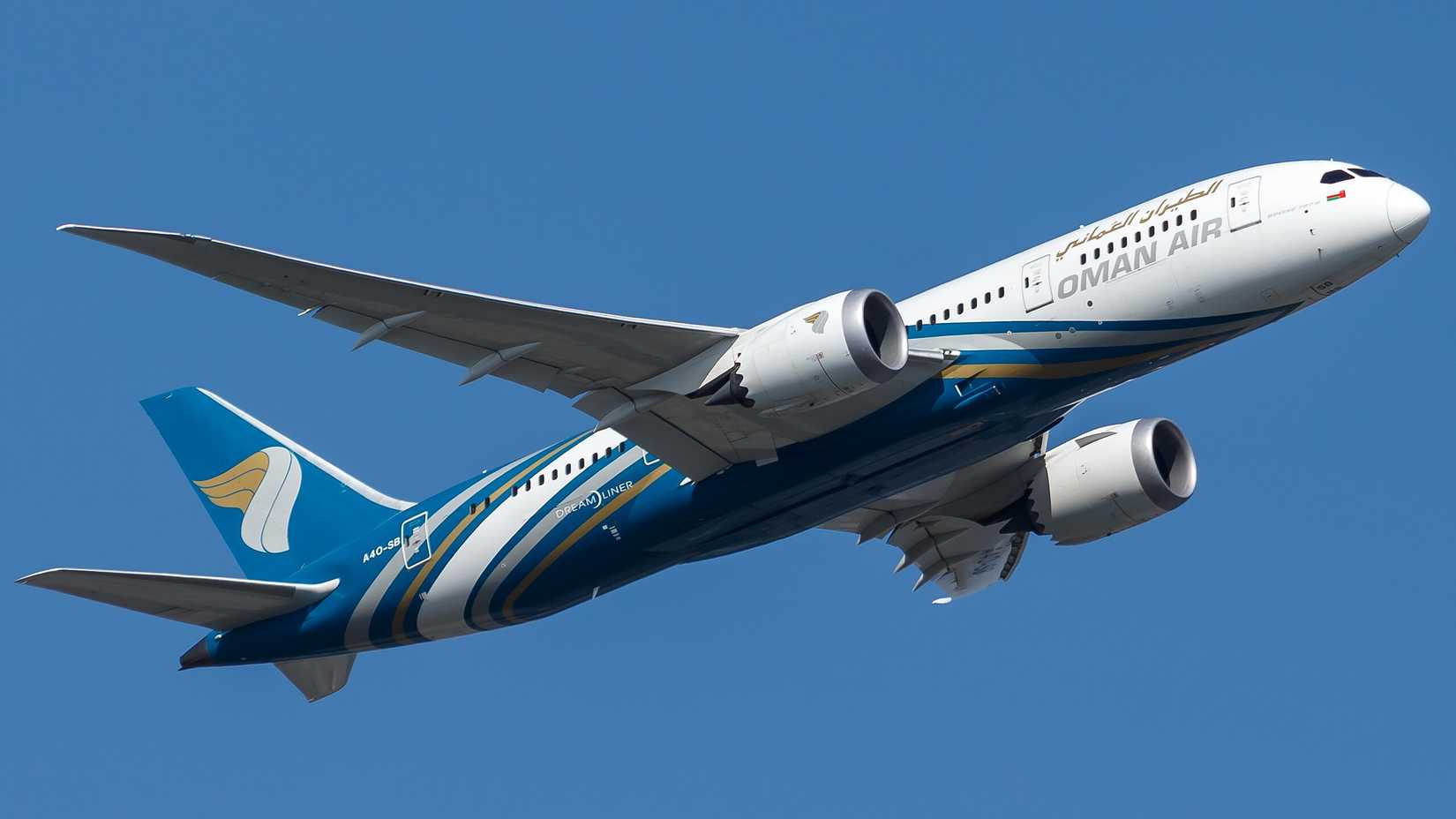
Ignacio Pedro Bosch presented at Routes World on behalf of Oman Air. Having previously been the Head of Network Planning for Vueling and Director of Group Network Planning & Scheduling at AirAsia, he is now Vice President of Network Planning at Oman Air.
“Oman Air is still a small airline,” Bosch said. “We don’t have the size or the network. We only serve 41 destinations [from Muscat], and many passengers continue to fly with other carriers. But with oneworld, our passengers can reach 150+ destinations. That’s massively important for us. We can capture more passengers from competitors. An important future consideration is whether we serve somewhere ourselves, or leave it to a partner.”
The role of alliances nowadays involves considerably more than the original two pillars of networks and loyalty. But they’ll remain at the heart of them. “Alliances are expensive and entail a huge amount of work. You have to work with other carriers who may have very different priorities and views. But generally, the bigger the alliance, the bigger the benefit for members.”
|
Regions/Continents |
Oman Air’s Destinations From Muscat In October |
|---|---|
|
Africa |
Cairo, Dar es Salaam, Zanzibar |
|
Asia (excl. the Middle East) |
Bangkok Suvarnabhumi, Bengaluru, Chennai, Delhi, Dhaka, Goa, Hyderabad, Jakarta, Karachi, Kochi, Kozhikode, Kuala Lumpur, Lucknow, Manila, Mumbai, Phuket, Thiruvananthapuram |
|
Europe |
Amsterdam, Frankfurt, Istanbul Airport, London Heathrow, Milan Malpensa, Moscow Sheremetyevo, Munich, Paris CDG, Rome Fiumicino, Zurich |
|
Middle East |
Amman, Bahrain, Dammam, Doha, Dubai, Jeddah, Khasab, Kuwait, Medinah, Riyadh, Salalah |
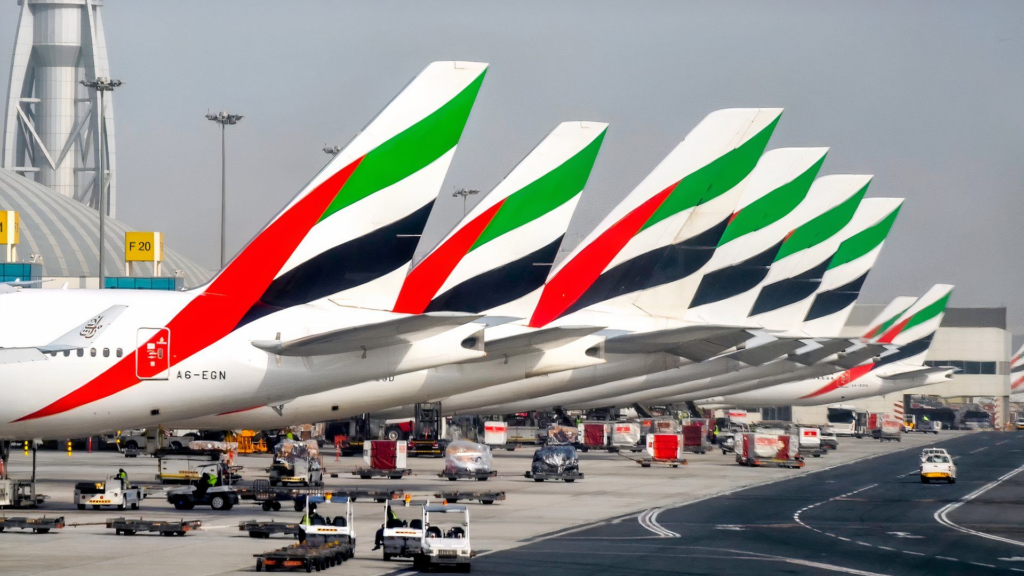
Having Diverse Partnerships Is More Important To Emirates


Representing Emirates was Trevor Chong, who is the carrier’s Vice President of Route Planning & Economics, a role he has held for a decade. “Emirates has never needed to be part of a global alliance due to its very powerful geocentric hub. It could offer a huge number of city pairs due to its geography—over 7,000 are available at the moment. It’s very different for airlines that aren’t so centrally located.”
So many city pairs might sound like a lot, but Emirates is not standing still. “7,000 is just not enough. The number of origins and destinations is becoming more fragmented. Travel is much more diverse nowadays, and we must be competitive.”
Cheong acknowledged that alliances are still very important today, “to access every city, town, and village.” However, Emirates chose partnerships and airline coordination instead. It has a joint venture with Qantas, along with 100+ interline agreements, codeshares with 35+ airlines and other organizations, etc. Being non-aligned also means it does not need to fly to a particular hub that it might otherwise have to do.
“Being non-aligned gives us much more choice and flexibility to decide on the absolute best partners to work with. We can replicate many of the benefits of alliance membership. We can be creative. We have a helicopter partner between Nice and Cannes, we have worked with low-cost carriers…”
The 3 Global Alliances Will Have 44,500+ Daily Movements In October

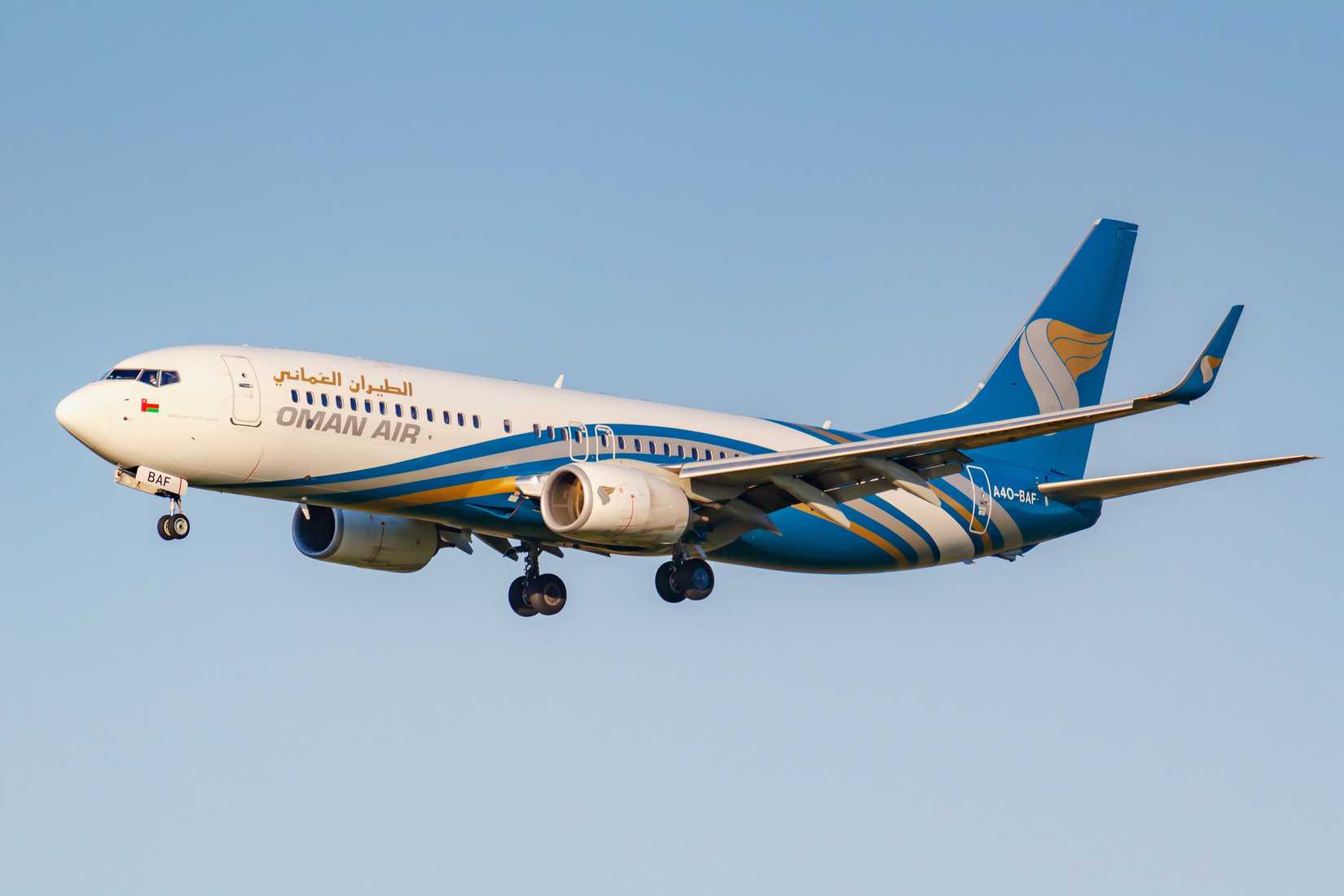
According to Cirium data, aligned and non-aligned carriers have 105,000+ daily scheduled passenger aircraft movements (takeoffs and landings combined) in October. Airlines of the three global alliances have 44,500, equivalent to 42% of the total.
As everyone knows, Star is the largest alliance. Its members have just under 18,000 daily movements, equivalent to more than six in ten of the world’s total. SkyTeam is next (13,800), followed by oneworld (12,700). Compared to October 2019, all three alliances now have between 5% and 8% fewer movements. In contrast, low-cost carriers have risen by 7% and non-aligned full-service airlines are up by 4%.
source