


Airbus, and operators of the multinational European planemaker’s A320 family of narrowbody twinjet commercial aircraft, experienced a rather more eventful end to November than would ideally have been the case. Last Friday, it became clear that around 6,000 of these single-aisle planes would require a software update, following an incident where passengers were injured after a JetBlue flight lost altitude due to a glitch.
This morning, the manufacturer has been able to issue a more promising update, with Airbus confirming that fewer than 100 of the affected aircraft are still grounded amid the need for a software update. The prompt response of Airbus and its customers has helped to largely keep related disruption to a minimum.
A Promising Update From Airbus

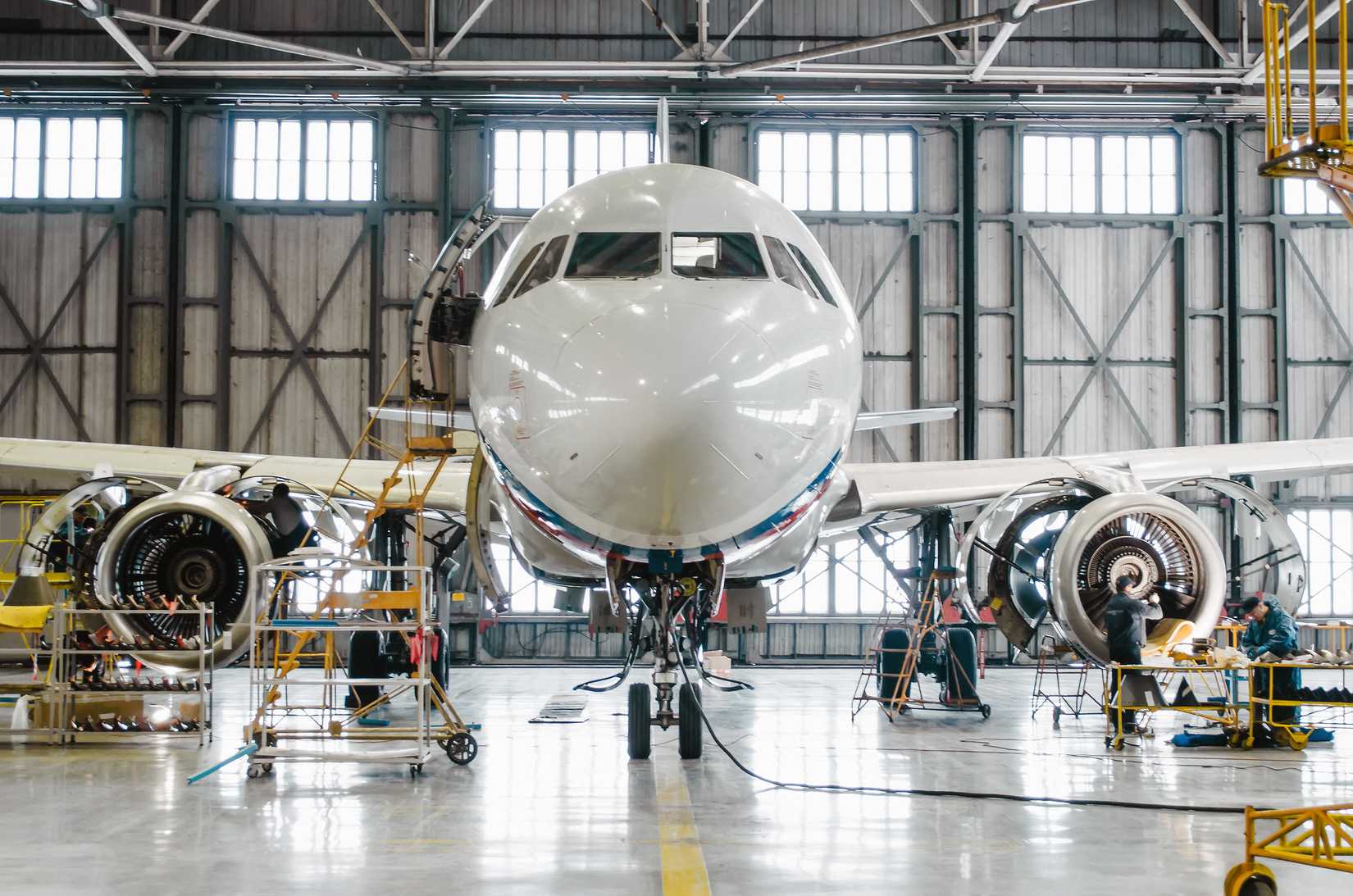
Following what was undoubtedly a more eventful end to November than Airbus would have liked, the planemaker has started December on a better note, following the release of a statement earlier this morning confirming that it was almost out of the woods as far as the A320 issues are concerned. Indeed, the planemaker notes that, over the weekend, almost all of the 6,000 aircraft that were impacted by the software update were modified.
With, as Airbus puts it, “the vast majority [having] now received the necessary modifications,” the firm also thanked “all relevant stakeholders involved for their support in implementing these measures, and for their understanding of Airbus’ decision to put safety above all other considerations.” While the work concerning the need for software updates on impacted aircraft isn’t quite over, Airbus is optimistic regarding a prompt completion, stating:
“We are working with our airline customers to support the modification of less than 100 remaining aircraft to ensure they can be returned to service.”
An Eventful Weekend


The situation involving the Airbus A320 family began to play out on the evening of Friday, November 28. It was at this point that it became clear that an update was necessary due to the risk that solar radiation may corrupt data relating to flight control operations on its popular family of narrowbody twinjets. This issue was thrust into the spotlight by a recent incident where JetBlue passengers were injured after a sudden in-flight altitude drop.
As a result of these developments, the European Union Aviation Safety Agency (EASA) issued an emergency airworthiness directive, which, for the most part, required operators of the impacted aircraft to temporarily ground them in order to perform a software update. While this, in itself, was a simple enough task, the sheer scale of the worldwide fleet of Airbus A320 family narrowbody twinjets meant that disruption was inevitable.
Among the carriers that issued updates regarding the situation were American Airlines, which estimated that 340 of its jets would be affected, and ANA, which had to cancel 65 domestic flights as a result, impacting around 9,400 passengers. Even the Pope was caught up in the disruption, with ITA Airways having to perform an urgent fix on one of its aircraft in order to ensure that Leo XIV’s journey from Istanbul to Beirut went as planned.


A320 Disruption: These Airlines Are The Worst-Impacted By Airbus Software Glitch
Operational disruption could continue into the weekend.
Disruption Was Kept Relatively Minimal


Despite the extensive nature of the issues facing Airbus A320 family narrowbody twinjets and their operators this weekend, the situation has, for the most part, been able to be fixed relatively quickly and without too much in the way of disruption. Even as early as Saturday morning, an update issued by Airbus confirmed that the global A320 fleet was returning to normal, with only older aircraft needing to spend longer on the ground as a result.
For European operators, the timing of the issue helped to solve it, as the news broke in the evening. This meant that they could work on the fix overnight before their jets reentered service on Saturday, with easyJet reporting little to no disruption at bases such as London Gatwick (LGW) and Manchester (MAN). Elsewhere, Australia’s Jetstar did face 90 cancellations, but, for the most part, the world’s A320 fleet is back to normal now.
source