


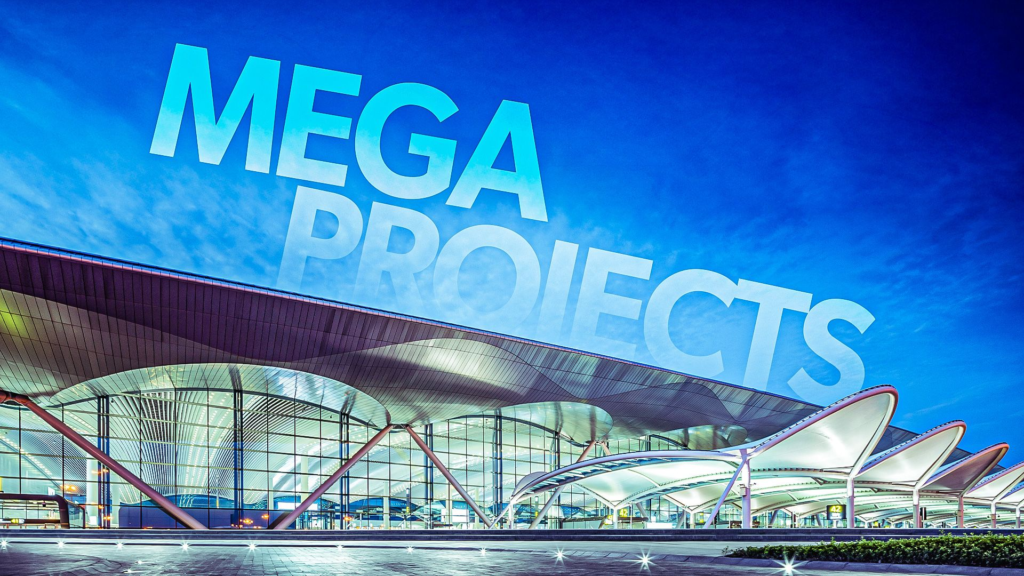
Global aviation infrastructure is entering a new era of transformation. As passenger demand rebounds and logistics networks evolve, major airports, both greenfield and expansion projects, are stepping up to meet the challenge. From retrofitting older terminals in mature hubs to building entirely new “mega-hubs” in emerging markets, the scale is rising, and the ambition is high. These projects are not just about moving more people; they’re about redefining connectivity, stimulating regional economies, and embedding sustainability into the travel experience.
Against this backdrop, five major airport undertakings stand out for their size, strategic importance, and future-proofing. Each represents a different approach, from renovation and modernization of existing facilities to full-scale new builds in high-growth markets, and thus offers insight into how the next generation of air-transport infrastructure is being shaped. Below, each airport is explored in terms of scope, strategy, and significance.
San Francisco International Airport (USA)
Terminal 3 West modernization




The project also incorporates sustainability into its design, aiming for LEED Platinum certification through the implementation of energy-efficient systems, water-saving fixtures, and enhanced natural lighting. By modernizing the terminal while keeping it operational, SFO addresses both immediate and long-term needs without disrupting ongoing flights.
Strategically, this upgrade positions SFO to maintain and enhance its competitiveness as a premier gateway on the US West Coast. The modernization of the terminal will not only accommodate a significant increase in passenger volumes but also elevate the overall traveler experience through improved amenities, streamlined operations, and cutting-edge design. By integrating sustainability features, advanced technology, and efficient passenger flow management, the enhanced terminal will reinforce SFO’s reputation as a world-class aviation hub. Ultimately, these improvements will strengthen the airport’s role as a critical connector for both domestic and international routes, supporting economic growth and reinforcing its status as a leading global transportation hub.
Perth Airport (Australia)
Redevelopment of a regional gateway


Perth Airport is advancing a comprehensive redevelopment programme aimed at significantly expanding terminal capacity and modernizing the airport’s core infrastructure. The upgrades encompass a wide range of initiatives: from enhancing passenger traffic flow and implementing state-of-the-art check-in and baggage systems, to upgrading retail and dining facilities—ensuring greater convenience, improved efficiency, and elevated traveler satisfaction. According to the airport’s published project list, current works include a major international terminal retail upgrade, a new multi-storey car park in the Airport Central precinct, and a major runway expansion due in 2028.
The redevelopment plan is firmly focused on future-proofing Western Australia’s gateway for growing domestic and international demand. By integrating advanced technologies, such as self-service check-in kiosks, automated bag-drops and digital passenger-flow systems, the airport is ensuring it can handle elevated traffic volumes while maintaining strong safety, reliability and operational performance. Past projects have already converted 16 traditional check-in counters into 36 self-service kiosks with biometric readers.
Strategically, the project strengthens Perth Airport’s role as a regional gateway. The enhanced connectivity and improved passenger journey will support tourism, business travel, and regional economic growth. With expanded capacity, modernized facilities, and an emphasis on the traveler experience, the airport is positioning itself as a modern, reliable hub for Western Australia and beyond, reinforcing its long-term viability as a pivotal transport link.
Suvarnabhumi Airport (Bangkok, Thailand)
Major expansion in Southeast Asia


The expansion focuses on improving both operational efficiency and the passenger experience. Advanced technologies, improved terminal layouts, and extended drop-off and pick-up areas are designed to make travel smoother and more convenient. The redevelopment also incorporates sustainable infrastructure and modern amenities to support a growing number of domestic and international travelers while maintaining safety and reliability.
Strategically, the project strengthens Suvarnabhumi Airport’s role as Thailand’s primary aviation hub. By increasing capacity and enhancing passenger services, the airport will support tourism, business travel, and regional connectivity. Once complete, the upgrades will position Suvarnabhumi as a leading international gateway in Southeast Asia, capable of handling future growth while maintaining a high standard of service.
Noida International Airport (Jewar, India)
Greenfield giant for Delhi NCR


Noida International Airport, located near Jewar in Uttar Pradesh, is India‘s ambitious greenfield airport project designed to alleviate congestion at 
The airport’s design emphasizes sustainability and digital infrastructure. Phase 1 includes a multi-modal cargo hub capable of handling 250,000 metric tonnes annually, featuring specialized facilities such as a Coolport, express courier terminal, bonded warehousing, and a dedicated e-commerce logistics park. Additionally, the airport has partnered with Uber and Mahindra Mobility to enhance last-mile connectivity, offering exclusive pick-up zones and taxi services.
Strategically, the project is poised to stimulate economic development, logistics growth, and investment opportunities in the surrounding area, positioning Jewar as a key aviation hub for northern India. The airport’s development is part of a broader infrastructure initiative in the Delhi-NCR region, which includes a new expressway connecting Delhi to Jewar Airport, expected to ease congestion and reduce travel time.
Abusera International Airport (Ethiopia)
Africa’s next mega-hub

Ethiopian Airlines is advancing plans for Abusera International Airport, a transformative mega-hub located near Bishoftu, approximately 40 km south of Addis Ababa. The first phase of this ambitious $7.8 billion project aims to serve 60 million passengers annually, featuring a 1.1 million m² terminal, two parallel runways, and extensive cargo facilities. Upon full completion, the airport is projected to handle up to 110 million passengers per year, positioning it as the largest airport in Africa.
Designed by a consortium led by Dar Al-Handasah Consultants and Zaha Hadid Architects, the airport will showcase Ethiopian cultural elements and prioritize sustainability. The terminal will incorporate renewable energy systems, natural ventilation, and rainwater harvesting, reflecting a commitment to environmental responsibility. Additionally, an express rail link to Addis Ababa is planned to enhance connectivity and support multimodal transportation.
|
Category |
Details (Horn Daily) |
|---|---|
|
Location |
Abusera, near Bishoftu, approximately 40 km south of Addis Ababa |
|
Investment |
$7.8 billion |
|
Phase I Capacity |
60 million passengers annually (targeted for completion by 2029) |
|
Full Capacity |
110 million passengers annually |
|
Terminal Area |
1.1 million m² |
|
Runways |
2 parallel Code 4E runways, with plans for 2 additional runways in Phase II |
|
Cargo Facilities |
Over 100,000 m², with an initial capacity for 2.1 million tonnes annually, expanding to 3.73 million tonnes at full development. |
|
Design Consortium |
Dar Al-Handasah Consultants, Zaha Hadid Architects, Pascall+Watson |
|
Sustainability Features |
Integration of renewable energy, natural ventilation, water conservation systems, and ecologically sound materials. |
|
Strategic Importance |
Aims to position Ethiopia as a global aviation hub, enhancing connectivity between Africa, Asia, and the Middle East, and supporting Ethiopian Airlines’ expansion plans. |
Strategically, Abusera International Airport is central to Ethiopian Airlines’ 15-year plan to become a leading global aviation group. The development aims to bolster Ethiopia’s position as a key transit point between Africa, Asia, and the Middle East, regions experiencing rapid growth in air travel. This project underscores Ethiopian Airlines’ commitment to innovation, sustainability, and regional economic development.
Global Mega-Airports: Key Expansions Around The World
Capacity upgrades and new terminals

Airports across the globe are also undergoing significant expansion projects to meet rising passenger demand and strengthen their roles as international hubs. Notable examples include 

In addition, 
Strategically, these expansions highlight the global trend of mega-hub development. Airports are not only increasing capacity but also integrating modern passenger experiences, digital infrastructure, and cargo/logistics capabilities. By doing so, they are securing competitive positions in global aviation networks, driving regional economic development, and preparing for projected air traffic growth well into the 2030s.
source