



The commercial aviation industry has changed drastically throughout the 20th and 21st century. However, few regions in global aviation have evolved as drastically as the transpacific market. In the decades following World War II, transpacific routes were recognized as a significant technological achievement. Airlines like Pan Am, Japan Airlines, and Qantas helped to shape the early operations of transpacific flights.
In the 1990s and 2000s, the rise of twin-engine jets, like the Boeing 777 and the Airbus A330, helped to make ultra-long-haul flights more economical. New carriers, specifically from East Asia, also challenged the traditional carriers. Additionally, airline alliances, like oneworld, Star Alliance, and SkyTeam, allowed airlines to coordinate networks and further expand offerings. Today, transpacific operations are flown by numerous global carriers. However, let’s take a closer look at five of the airlines that truly dominate this region.
What Transpacific Flights Does United Airlines Operate?

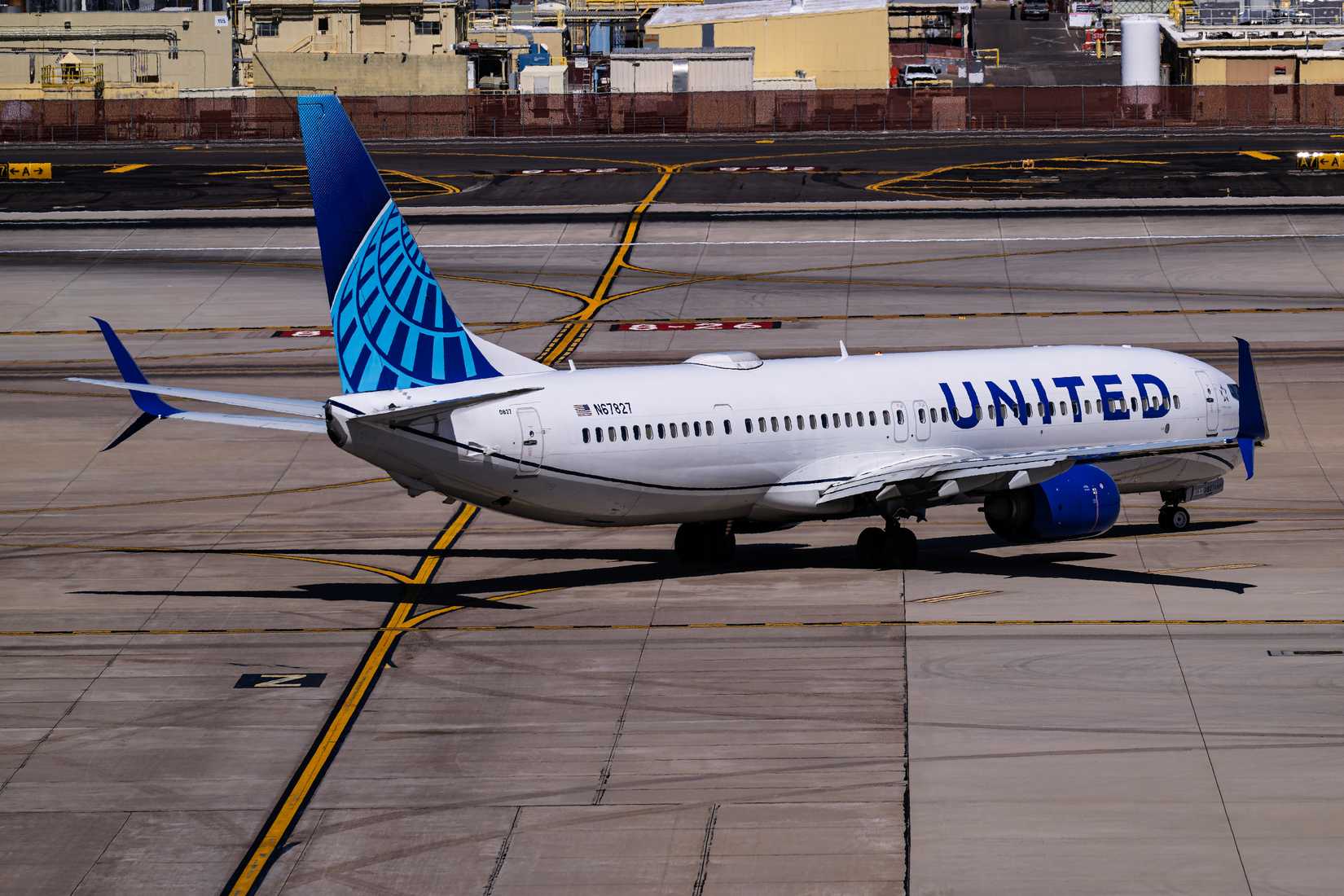


The Chicago, Illinois-based airline also operates an extensive transpacific network from its major West Coast hubs. United uses major gateways such as San Francisco International Airport (SFO) in California, Los Angeles International Airport (LAX) in California, and Chicago O’Hare International Airport (ORD) in Illinois. These popular airports act as a springboard to key asian destinations like Tokyo, Seoul, Taipei, Hong Kong, and Sydney. According to Cirium, some of the airline’s most popular routes this month include:
|
Origin |
Destination |
Flights (Oct. 2025) |
|---|---|---|
|
San Francisco International Airport (SFO) |
Daniel K. Inouye International Airport (HNL) |
124 |
|
Los Angeles International Airport (LAX) |
Daniel K. Inouye International Airport (HNL) |
93 |
|
San Francisco International Airport (SFO) |
Kahului Airport (OGG) |
93 |
|
Denver International Airport (DEN) |
Daniel K. Inouye International Airport (HNL) |
56 |
|
San Francisco International Airport (SFO) |
Kona International Airport (KOA) |
50 |
|
San Francisco International Airport (SFO) |
Lihue Airport (LIH) |
45 |
|
Denver International Airport (DEN) |
Kona International Airport (KOA) |
31 |
|
George Bush Intercontinental Airport (IAH) |
Daniel K. Inouye International Airport (HNL) |
31 |
|
Denver International Airport (DEN) |
Kahului Airport (OGG) |
31 |
|
Chicago O’Hare International Airport (ORD) |
Daniel K. Inouye International Airport (HNL) |
31 |
Another unique cornerstone of United’s transpacific network stems from its presence in Guam. Operating from Antonio B. Won Pat International Airport (GUM), the carrier maintains an island hub in the Pacific. This allows it to connect Hawaiian destinations to Micronesia, Japan, South Korea, and other Asia-Pacific regions, while only requiring a brief stop in Guam. The airline operates Boeing 737 aircraft on these routes, offering crucial connectivity to destinations such as Tokyo Narita, Manila, Palau, Chuuk, and Saipan.
What Transpacific Flights Does American Airlines Operate?

Another major player in transpacific operations is American Airlines. However, the airline’s transpacific operations have traditionally been more selective than its domestic and transatlantic operations. Like other domestic airlines, American Airlines began venturing into transpacific operations after the industry was deregulated in the 1980s. The airline also expanded its operations through various alliances and gained several new route rights through mergers, including the merger with US Airways in 2013.
The airline typically utilizes its major west coast gateways for transpacific flights. This includes Los Angeles International Airport (LAX) in California, and, to a lesser extent, Dallas/Fort Worth International Airport (DFW) in Texas. It also flies an extensive network to Hawaii, using only Airbus aircraft. According to Cirium, some of the airline’s most popular routes this month include:
|
Origin |
Destination |
Flights (Oct. 2025) |
|---|---|---|
|
Los Angeles International Airport (LAX) |
Daniel K. Inouye International Airport (HNL) |
84 |
|
Dallas/Fort Worth International Airport (DFW) |
Daniel K. Inouye International Airport (HNL) |
55 |
|
Dallas/Fort Worth International Airport (DFW) |
Kahului Airport (OGG) |
31 |
|
Los Angeles International Airport (LAX) |
Kahului Airport (OGG) |
31 |
|
Phoenix Sky Harbor International Airport (PHX) |
Daniel K. Inouye International Airport (HNL) |
31 |
|
Phoenix Sky Harbor International Airport (PHX) |
Kona International Airport (KOA) |
31 |
|
Phoenix Sky Harbor International Airport (PHX) |
Lihue Airport (LIH) |
31 |
|
Phoenix Sky Harbor International Airport (PHX) |
Kahului Airport (OGG) |
31 |
|
Los Angeles International Airport (LAX) |
Kona International Airport (KOA) |
27 |
|
Los Angeles International Airport (LAX) |
Lihue Airport (LIH) |
27 |
In recent years, 
What Transpacific Flights Does Delta Air Lines Operate?
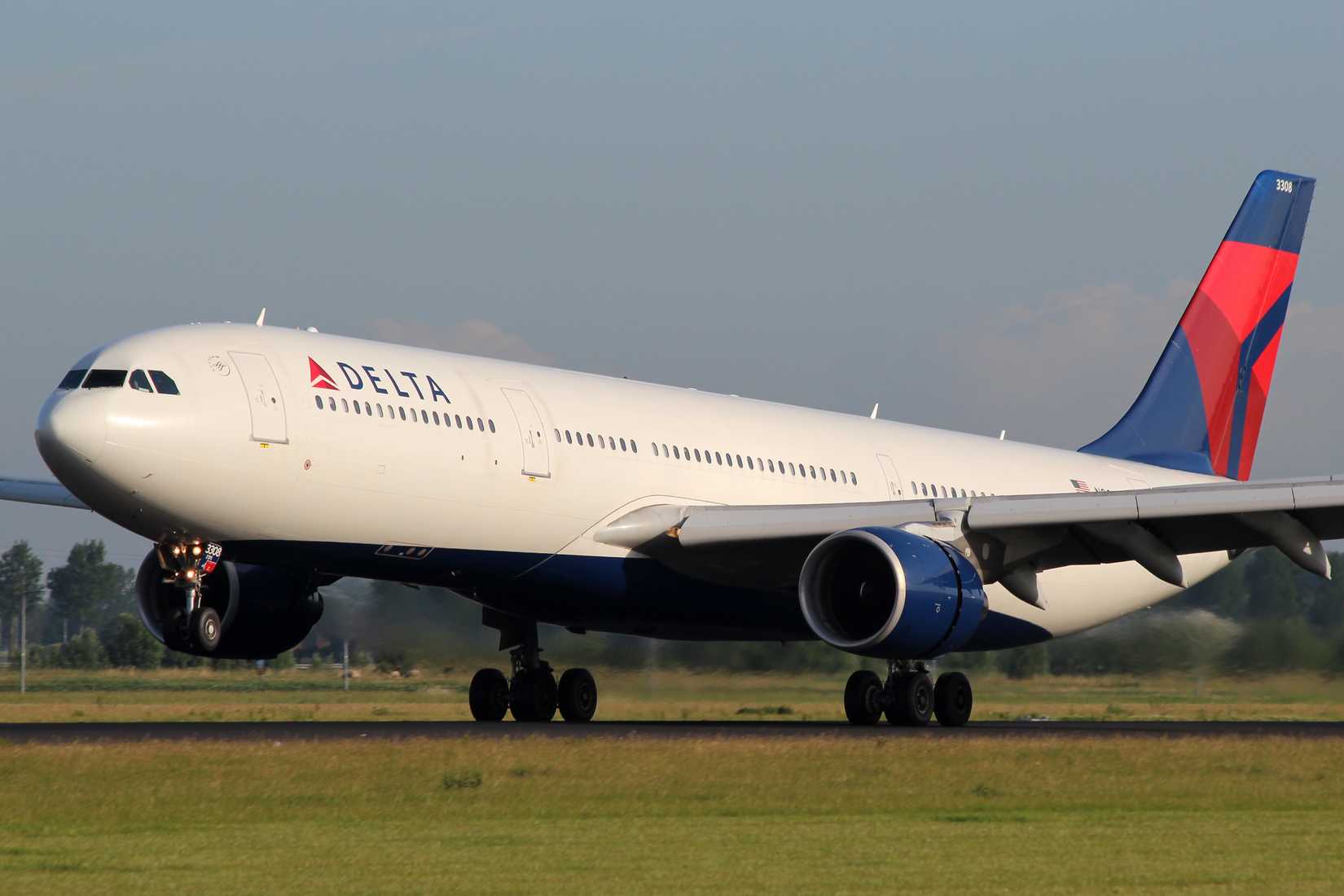

Currently, Delta operates an extensive transpacific network from many of its hub cities. This includes operations stemming from Los Angeles, Detroit, Seattle, and even Atlanta. According to Cirium, some of the airline’s most popular routes include:
|
Origin |
Destination |
Flights (Oct. 2025) |
|---|---|---|
|
Los Angeles International Airport (LAX) |
Daniel K. Inouye International Airport (HNL) |
93 |
|
Seattle-Tacoma International Airport (SEA) |
Daniel K. Inouye International Airport (HNL) |
62 |
|
Hartsfield-Jackson Atlanta International Airport (ATL) |
Daniel K. Inouye International Airport (HNL) |
31 |
|
Minneapolis-St. Paul International Airport (MSP |
Daniel K. Inouye International Airport (HNL) |
31 |
|
Salt Lake City International Airport (SLC) |
Daniel K. Inouye International Airport (HNL) |
31 |
|
Los Angeles International Airport (LAX) |
Kona International Airport (KOA) |
31 |
|
Seattle-Tacoma International Airport (SEA) |
Kona International Airport (KOA) |
31 |
|
Los Angeles International Airport (LAX) |
Lihue Airport (LIH) |
31 |
In the late 2010s, Delta Air Lines restructured its transpacific operations. As Narita Airport’s connection relevance began to decline, Delta instead focused on nonstop operations between the US and key Asian destinations. Overall, the airline now focuses on key routes that fly to Haneda Airport, Incheon Airport, and Shanghai Pudong International Airport (PVG). These operations are also strengthened by the airline’s key partnership with Korean Air, which has enabled it to replace Narita with Seoul as its primary hub for connections across Asia.
What Transpacific Flights Does Alaska Airlines Operate?

Another US carrier with major operations in the Pacific region is Alaska Airlines. While the airline is not a major transpacific operator in the traditional sense, 
Alaska Airlines typically flies transpacific routes to Hawaii from its base in Seattle. According to Cirium, the airline’s most popular routes this month include:
|
Origin |
Destination |
Flights (Oct. 2025) |
|---|---|---|
|
Seattle-Tacoma International Airport (SEA) |
Kahului Airport (OGG) |
92 |
|
Seattle-Tacoma International Airport (SEA) |
Kona International Airport (KOA) |
91 |
|
Seattle-Tacoma International Airport (SEA) |
Daniel K. Inouye International Airport (HNL) |
62 |
|
Seattle-Tacoma International Airport (SEA) |
Lihue Airport (LIH) |
62 |
|
Portland International Airport (PDX) |
Kahului Airport (OGG) |
61 |
Alaska’s strategic importance has grown over recent years, especially as it joined the oneworld alliance in 2021. This partnership linked Alaska Airlines’ extensive domestic network with the global reach of partners like Japan Airlines, Cathay Pacific Airways, Qantas, and Malaysia Airlines. Additionally, Seattle has become a vital transpacific launch point, especially as major Asian carriers, such as Japan Airlines and All Nippon Airways, have increased presence in recent years.
What Transpacific Flights Does Hawaiian Airlines Operate?
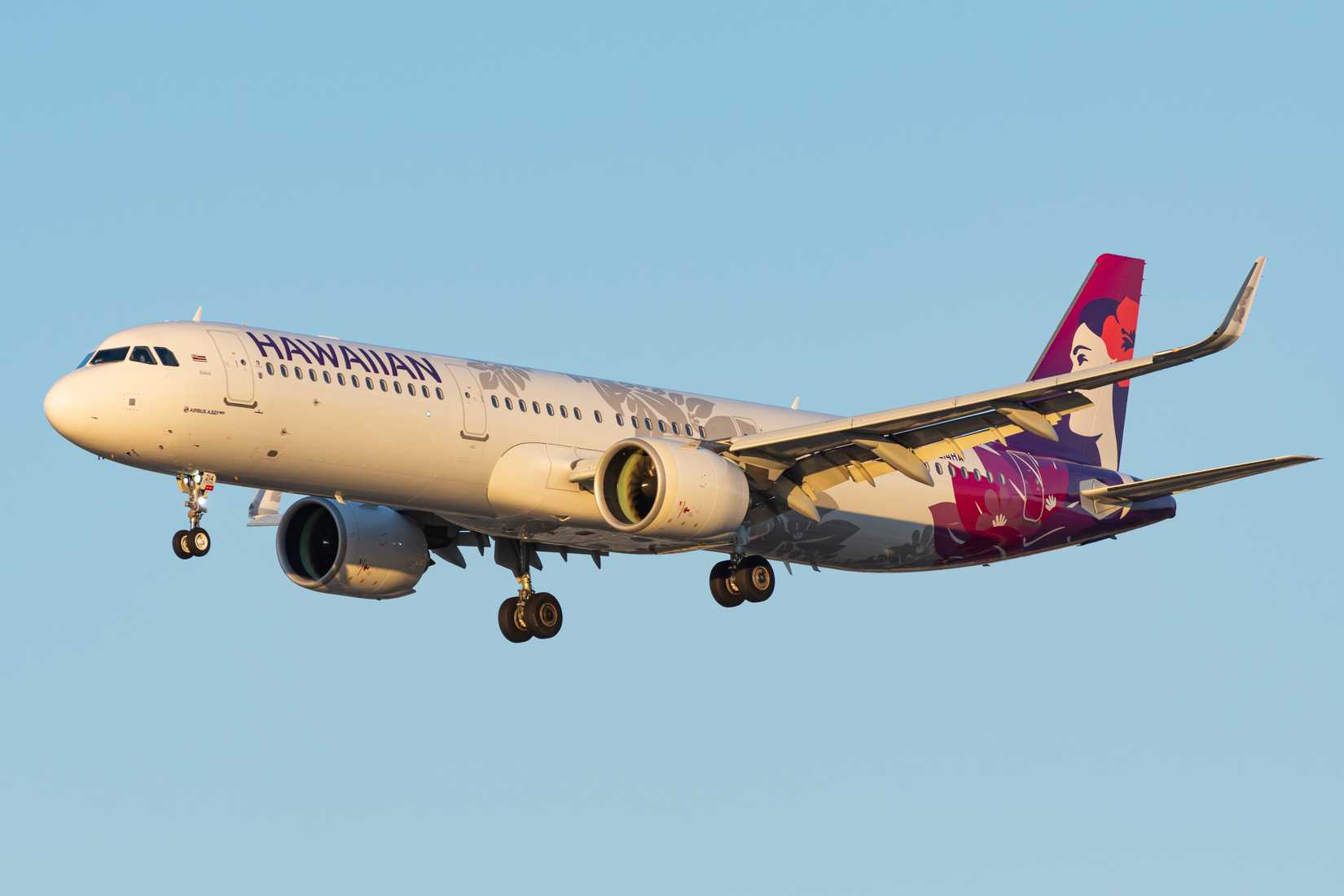
Hawaiian Airlines also plays a major role in transpacific operations. The airline is based in Honolulu, Hawaii, a unique location that serves as a literal crossroads of the Pacific. The Hawaiian islands can operate as a stopover for flights between the US mainland and Asia or Oceania. Other US carriers use West Coast airports as a gateway to Asia, while Hawaiian instead operates from the middle of the Pacific Ocean.
Transpacific routes flown by Hawaiian Airlines are centered around the US West Coast, Japan, South Korea, New Zealand, and Australia. This month, some of the airline’s most frequent flights include:
|
Origin |
Destination |
Flights (Oct. 2025) |
|---|---|---|
|
Daniel K. Inouye International Airport (HNL) |
Harry Reid International Airport (LAS) |
126 |
|
Daniel K. Inouye International Airport (HNL) |
Seattle-Tacoma International Airport (SEA) |
124 |
|
Daniel K. Inouye International Airport (HNL) |
Los Angeles International Airport (LAX) |
88 |
|
Daniel K. Inouye International Airport (HNL) |
San Diego International Airport (SAN) |
85 |
|
Daniel K. Inouye International Airport (HNL) |
Portland International Airport (PDX) |
75 |
|
Daniel K. Inouye International Airport (HNL) |
San Francisco International Airport (SFO) |
60 |
Hawaiian has long maintained strong ties with Japan, its largest international market. The airline also operates regular service to both Tokyo airports, Kansai International Airport (KIX) in Osaka, and Fukuoka Airport (FUK). However, in recent years, Hawaiian Airlines has also expanded southward with flights to Sydney, Brisbane, and Auckland.
Which Other Airlines Operates A Significant Number Of Transpacific Flights?
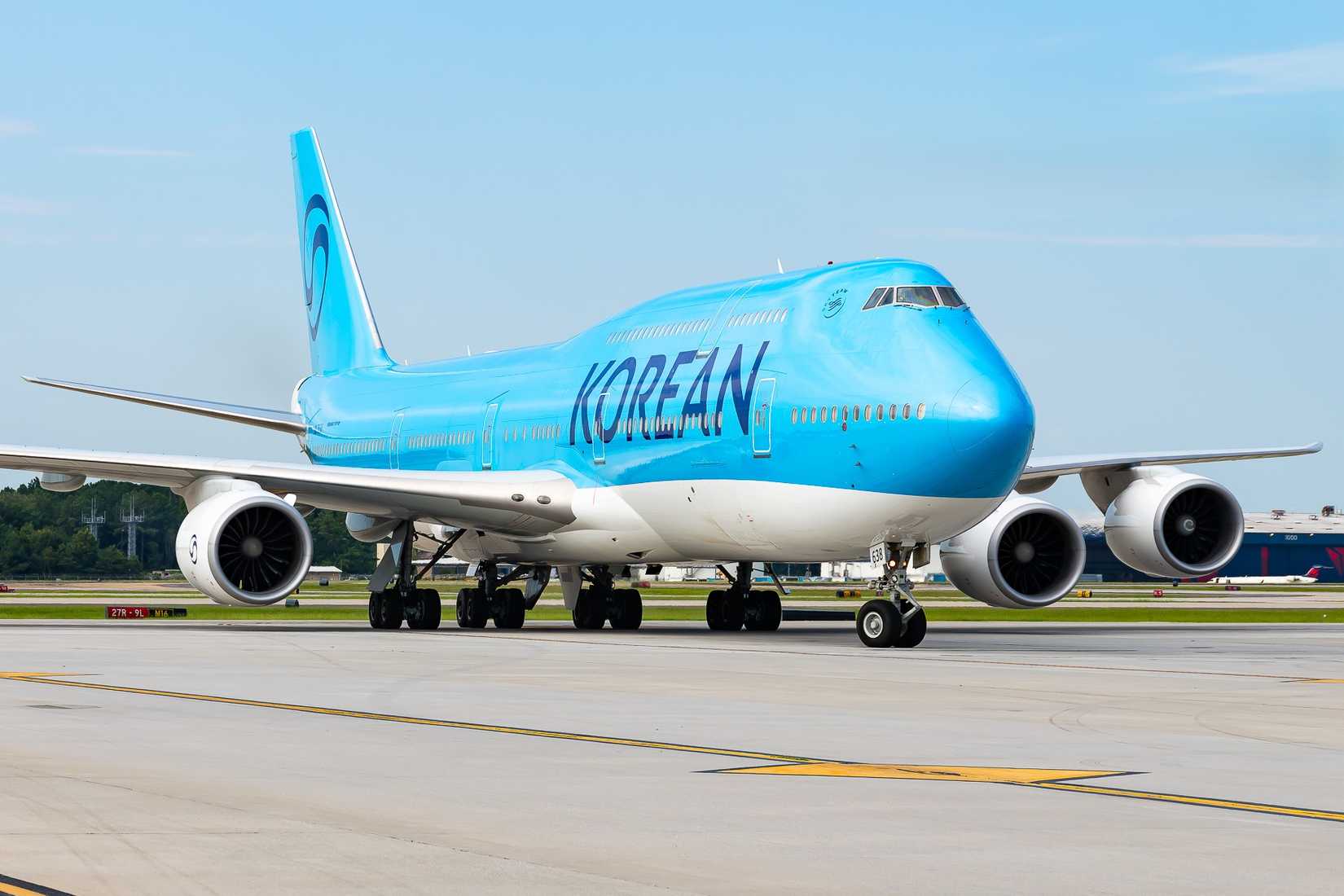
Beyond domestic carriers, several international airlines operate extensive transpacific routes. Korean Air remains the largest international operator in the Pacific. Korean Air leverages its hub at Incheon Airport as a modern hub that connects North America to the rest of Asia. The airline has expanded rapidly in recent years, and it currently operates one of the world’s largest transpacific fleets.
Among the largest Asian carriers, both All Nippon Airways (ANA) and Japan Airlines anchor the country’s position as a historic hub for transpacific travel. Both carriers maintain extensive networks to US cities such as Los Angeles, San Francisco, Seattle, Chicago, and New York, operating from Tokyo’s Haneda and Narita airports. Both airlines have partnered with US carriers to help expand its transpacific operations and connections.
Further south, Cathay Pacific in Hong Kong and EVA Air in Taiwan also maintain extensive transpacific networks. Cathay Pacific flies several transpacific routes from its Hong Kong hub, including connections to Los Angeles, San Francisco, New York, Vancouver, and Toronto. Additionally, EVA Air connects Taipei with numerous US destinations, including Los Angeles, San Francisco, Seattle, Houston, Chicago, and New York.
source