


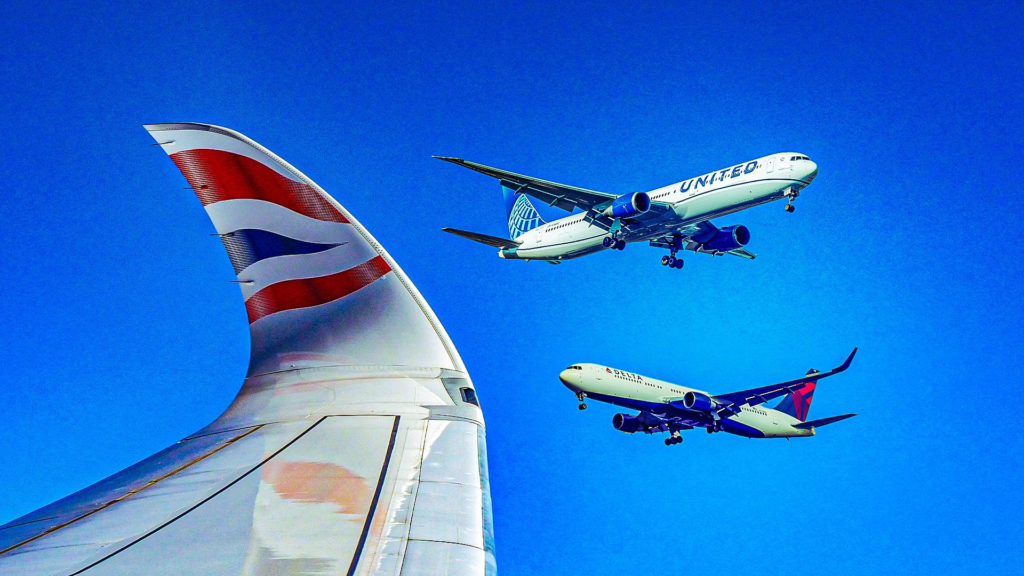
The transatlantic corridor has long been the beating heart of global aviation, linking North America and Europe with a web of routes that define both economies and airline strategy. However, in 2025, that market looks more competitive than ever. Forty-nine different airlines operate nonstop services between the two continents, from global giants like British Airways and United to emerging challengers such as Norse Atlantic and PLAY. The question is, which carrier truly dominates this skybridge between the world’s busiest travel markets?
The answer isn’t as simple as who flies the most passengers. Capacity, alliances, aircraft type, and network strategy all shape the picture. Using data from Diio Mi Market Intelligence for the 2025-2026 season, this analysis reveals which airlines lead the pack, how joint ventures reshape the playing field, and why newcomers are forcing even the biggest names to stay sharp. The result is a story not just of numbers, but of the evolving balance of power over the North Atlantic.
So Who Really Rules The Atlantic Skies?

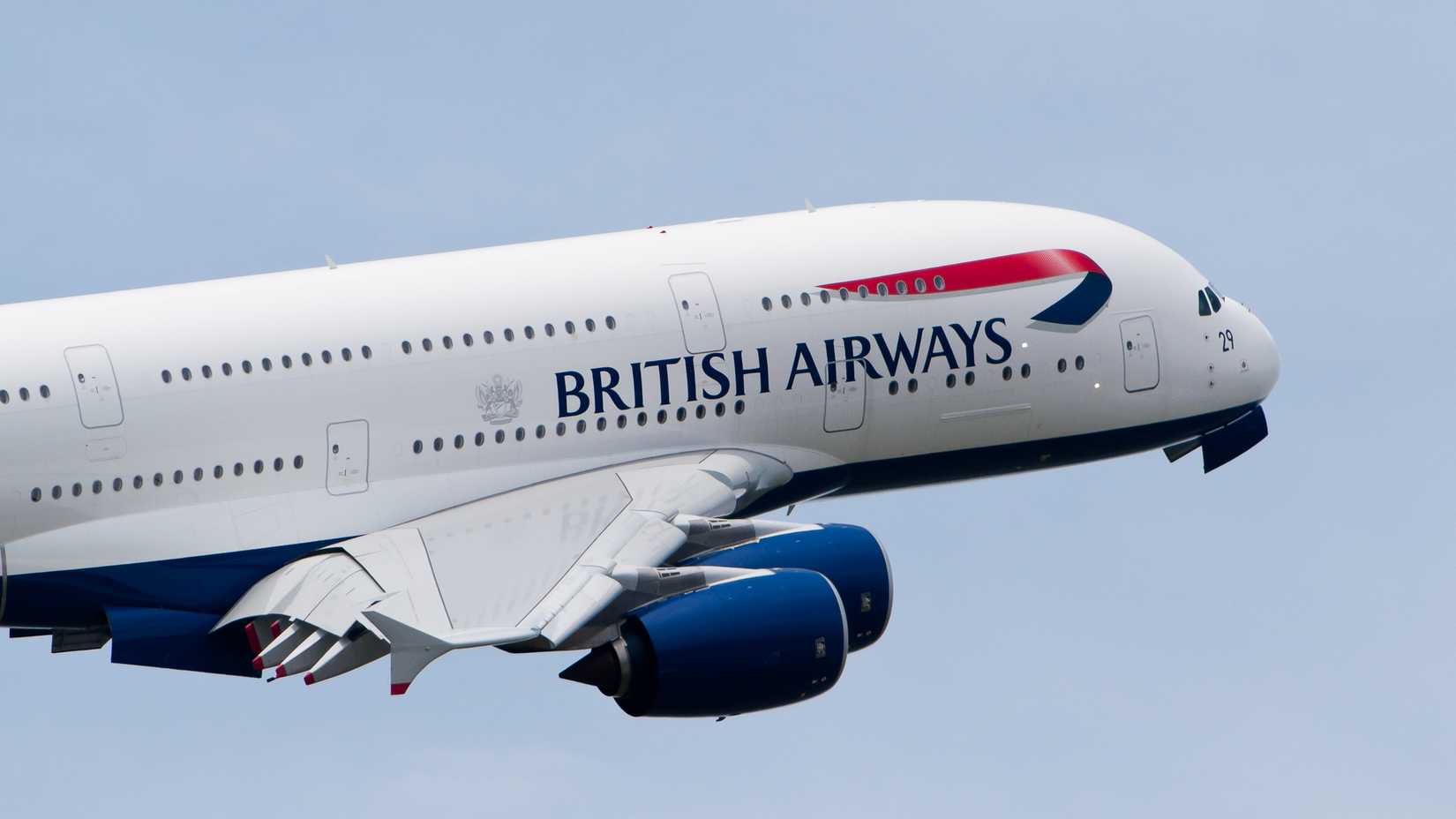
By the raw numbers, British Airways still wears the crown. The carrier’s flagship New York (JFK) to London Heathrow (LHR) route remains the single largest transatlantic service by Available Seat Miles (ASM), with over 2.4 billion per year. United Airlines follows close behind with its Newark (EWR) to London Heathrow flights, while Virgin Atlantic, Air France, and American Airlines fill out the rest of the top five. Collectively, these five carriers control more than a third of the total transatlantic capacity.
The scale of these operations shows how deeply entrenched these airlines are in key city pairs. British Airways and American Airlines operate within the same joint venture, meaning their combined transatlantic presence dwarfs even their biggest individual competitors. United Airlines, through 

Still, each airline’s dominance varies by geography. British Airways operates from London Heathrow, connecting to more U.S. destinations than any other European hub carrier. United dominates the U.S. East Coast with its Newark base, while Delta’s strength stems from Atlanta and Boston. Air France and Lufthansa leverage continental Europe’s powerhouses in Paris and Frankfurt. Together, these legacy carriers form the spine of transatlantic aviation, but the landscape is shifting.
How The Numbers Tell The Story

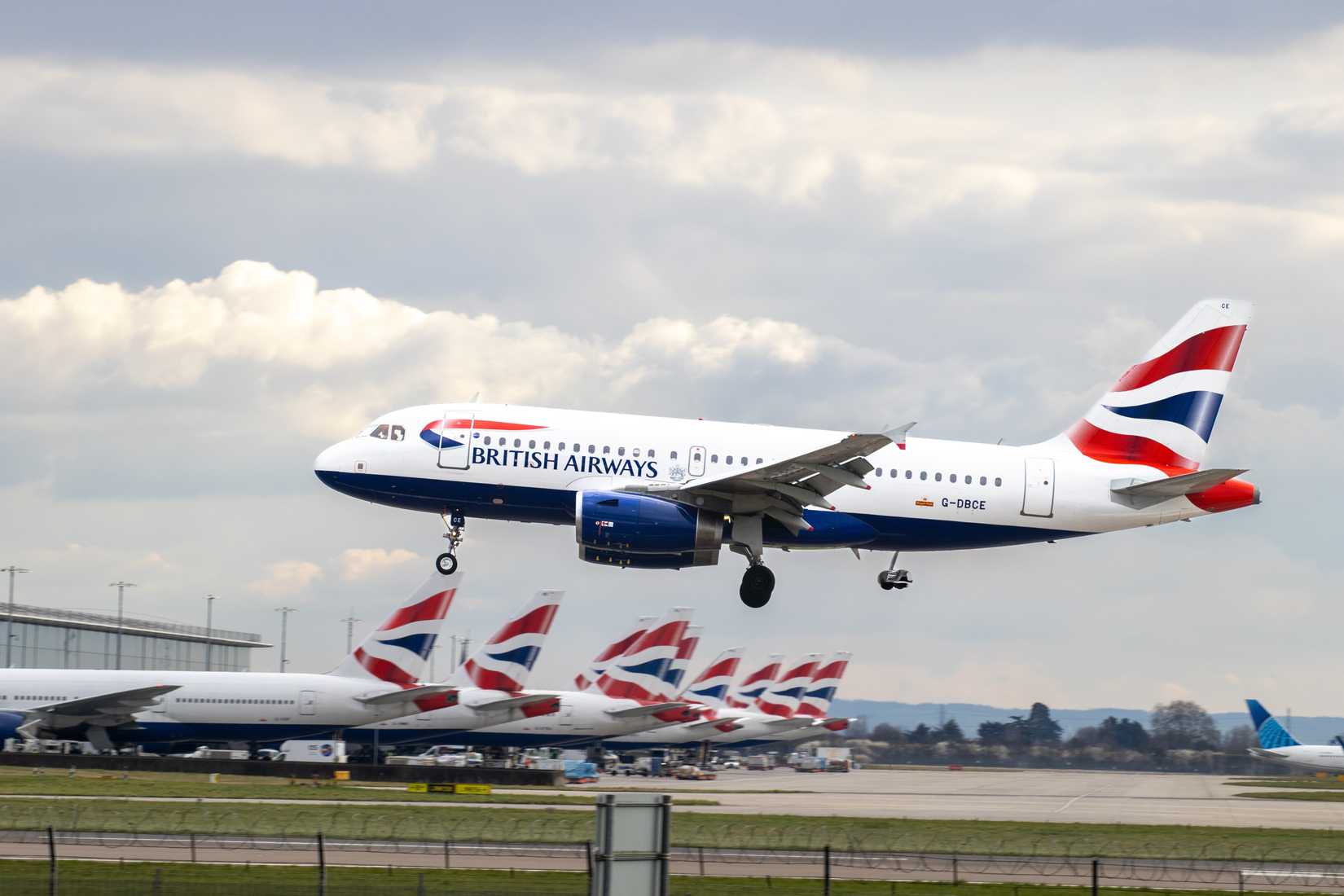
The Diio Mi dataset highlights how competitive the top tier has become. British Airways’ JFK-LHR route alone offers nearly 701,000 annual seats across 2,863 flights, translating to over 2.4 billion ASMs. United’s Newark – London Heathrow route produces 1.46 billion ASNs, while Virgin Atlantic‘s share of the same corridor adds another 2.1 billion. These three carriers dominate one of the busiest air corridors in the world, carrying millions of passengers between the US and the UK each year.
Further down the ranking, Air France’s JFK-Paris Charles de Gaulle service remains one of the strongest routes to continental Europe, contributing more than 2.1 billion ASMs. American Airlines’ Dallas-Fort Worth to London connection follows closely behind, showcasing the strength of secondary US hubs that feed into major European gateways. Turkish Airlines’ New York-Istanbul route has quietly become a top performer, providing over 1.9 billion ASMs annually and offering one-stop access to destinations far beyond Europe.
Top 5 Transatlantic Airlines By Available Seat Miles (ASMs).
|
Rank |
Airline |
Annual Flights |
Seats Offered |
ASM’s |
|
1 |
British Airways |
2,836 |
700,914 |
2.42 billion |
|
2 |
Virgin Atlantic |
1,951 |
612,174 |
2.11 billion |
|
3 |
United Airlines |
2,532 |
422,824 |
1.45 billion |
|
4 |
Air France |
1,923 |
584,623 |
2.13 billion |
|
5 |
American Airlines |
1,590 |
464,818 |
2.21 billion |
When viewed in totality, the 49 airlines in the Diio Mi report reveal a clear hierarchy. Traditional transatlantic alliances, such as Oneworld, SkyTeam, and Star Alliance, account for over 85% of total capacity. Within that, the top ten carriers dominate roughly two-thirds of all transatlantic seat miles. Yet, beneath that concentrated top layer lies a growing diversity of smaller operators, from Icelandic carriers connecting Europe and North America through Reykjavic to low-cost long-haul newcomers testing the limits of endurance and economics.
The Power Of Alliances And Joint Ventures


If you follow the money rather than the aircraft, alliances tell the real story of dominance. 
Star Alliance, led by United, Lufthansa, and Air Canada, comes close behind. Its integrated scheduling allows passengers to connect seamlessly between US and European hubs, from Newark to Frankfurt or Chicago to Munich. Star Alliance’s strength lies in its reach. While 
Transatlantic Market Share By Airline Alliance.
|
Alliance |
Major Transatlantic Members |
Approx. Share Of Total ASMs. |
|
Oneworld |
British Airways, American Airlines, Iberia, Finnair, Aer Lingus |
37% |
|
Star Alliance |
United, Lufthansa, Air Canada, Swiss, Austrian, TAP |
33% |
|
SkyTeam |
Delta, Air France, KLM, Virgin Atlantic, |
24% |
|
Independent/Other |
Iceland Air, Norse Atlantic, PLAY |
6% |
SkyTeam’s transatlantic joint venture, featuring Delta, Air France, KLM, and Virgin Atlantic, completes the triumvirate. While smaller in total ASMs than oneworld’s grouping, it punches above its weight through strong customer loyalty programs and a tight concentration on high-yield routes. Delta’s use of both JFK and Boston as transatlantic gateways complements Air France and KLM’s dual hubs in Paris and Amsterdam. For travelers, the experience feels unified, and for competitors, it’s a well-coordinated challenge that keeps the market balanced.
Low Cost Challengers And The Newcomer Effect

Beyond the giants, a new generation of carriers is testing the long-haul waters. Norse Atlantic Airways, founded in Norway and now based in Oslo, has made headlines with its aggressive pricing between major cities like New York, London, and Oslo. By using fuel-efficient Boeing 787 Dreamliners and lean operations, Norse offers fares that often undercut legacy competitors by hundreds of dollars. It’s a business model that recalls the short-lived WOW Air and Norwegian Long Haul, but this time with lessons learned.
In the north, Iceland’s PLAY Airlines continues to expand, using Reykjavík as a bridge between smaller European cities and US destinations like Boston and Washington DC. Though its overall market share remains tiny compared to the giants, its strategy represents an important shift. Instead of challenging the largest players had-on, PLAY focuses on underserved segments and price-sensitive travelers who prioritize value over speed. The carrier’s bright red A320neos have become a symbol of the new era of transatlantic experimentation.
Other regional carriers, including TAP Air Portugal, Icelandair, and Azores Airlines, continue to leverage their geographical advantages. TAP connects Lisbon to a wide spread of US cities while funneling traffic from South America to Europe. These smaller players rarely appear in the top ASM rankings but remain vital for market diversity. Their success proves that transatlantic travel isn’t only about giants, it’s also about clever positioning and nimble fleet management.
What Shapes An Airline’s Transatlantic Success?
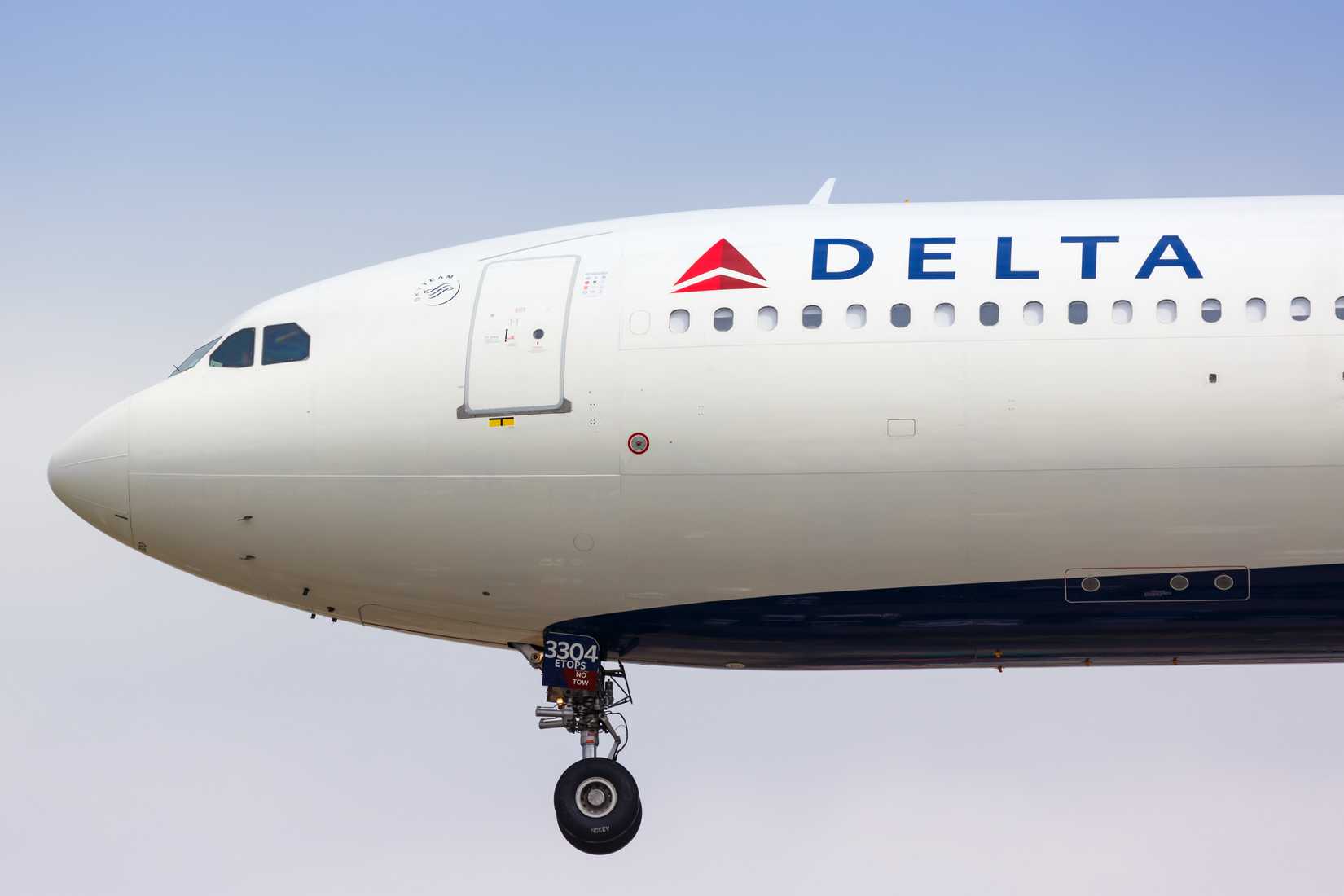
Success across the Atlantic isn’t purely about aircraft range or frequency. It’s a mix of network design, fleet strategy, and brand reputation. Airlines that balance premium cabins with efficient economics consistently outperform those that rely solely on volume. British Airways, for example, fills its A350-100s and Boeing 777-300ERs with a blend of business and leisure traffic, ensuring strong yields even during seasonal dips. United and Delta have followed suit, investing heavily in upgraded cabins and reliable service to retain high-value customers.
Fleet composition plays a major role, too. Boeing 898s and Airbus A350s dominate the new generation of transatlantic aircraft, replacing older 767s and A330s. Their fuel efficiency and range allow carriers to open new city pairs once considered too thin to be profitable. As these jets continue to roll out. Smaller secondary routes, such as Austin to Amsterdam, or Raleigh-Durham to London, are all becoming increasingly viable. This diversification of markets further strengthens the overall transatlantic ecosystem.
Finally, timing and frequency remain key to maintaining dominance. A single daily flight may capture attention, but consistent, well-timed schedules win loyalty. Airlines like British Airways and Delta operate multiple daily departures on high-demand routes, offering flexibility for both business and leisure travelers. That consistency, more than flashy cabin features, is what often decides which airline passengers choose repeatedly across the Atlantic.
Consistent Competition Above The Clouds


The transatlantic market is evolving fast, but its core dynamics remain clear. Legacy carriers, supported by alliances and joint ventures, still hold the lion’s share of capacity and profit. According to Diio Mi data, the top five carriers continue to set the standard for scale and reliability. Yet their dominance is being slowly tested by a wave of low-cost, fuel-efficient operators with leaner models and new market ambitions.
In the next decade, the arrival of ultra-efficient aircraft such as the Airbus A321XLR and the Boeing 737 MAX 10, will further reshape the market. Already, JetBlue has proven the concept that its narrow bodies can cross the Atlantic economically with its Airbus A321LR flights between New York and London. This trend will likely expand the definition of who counts as a transatlantic player.
However, ultimately, dominance over the Atlantic is about adaptability and the ability to evolve as technology and fuel prices change. The 49 airlines competing for their share of the market each bring something unique, such as global networks, regional specialization, or disruptive innovation. For now, the transatlantic crown still rests with established giants and their combined networks, forming the arteries that keep international aviation moving between the world’s two most connected continents.
source