


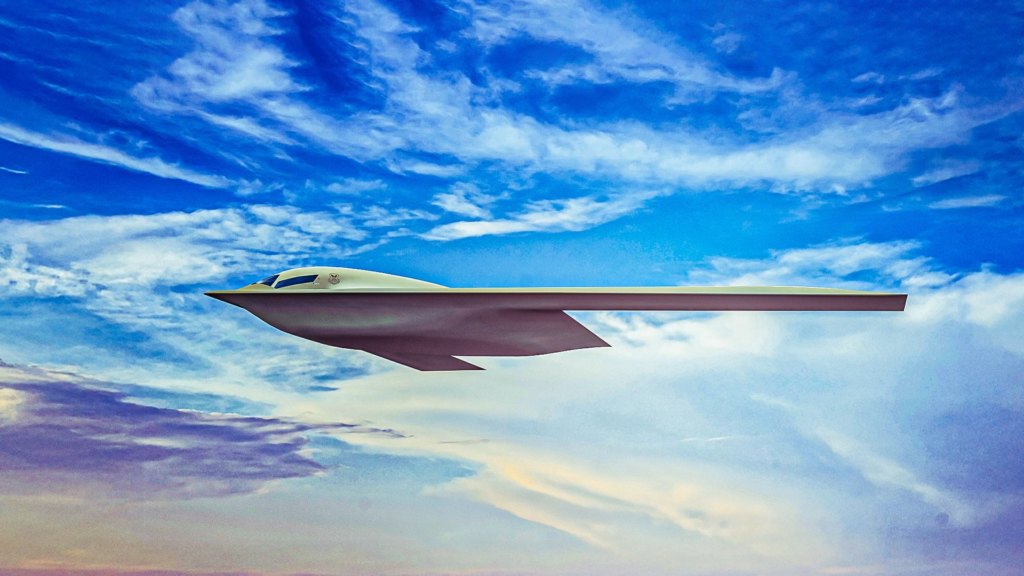
While it may seem most big-ticket military items are overbudget and delayed, the Northrop Grumman B-21 Raider appears to stand out as the exception to the rule. The program appears to be more or less on budget and on schedule. Two years after the first flight, the rapid development of the program is seeing the next-generation bomber on track to enter service in 2027.
The Air Force now has two examples in testing, and another two are expected to arrive in 2026. While the Raider may superficially look similar to the older flying wing Spirit, it represents decades of improvement and offers far more capabilities. The aircraft is expected to eventually be paired with CCAs. It is believed to be capable of a much larger suite of capabilities that could even branch into air superiority roles, currently the domain of fighter jets. Here is what to know about the latest on the B-21 Raider.
A Second Example Has Been Delivered

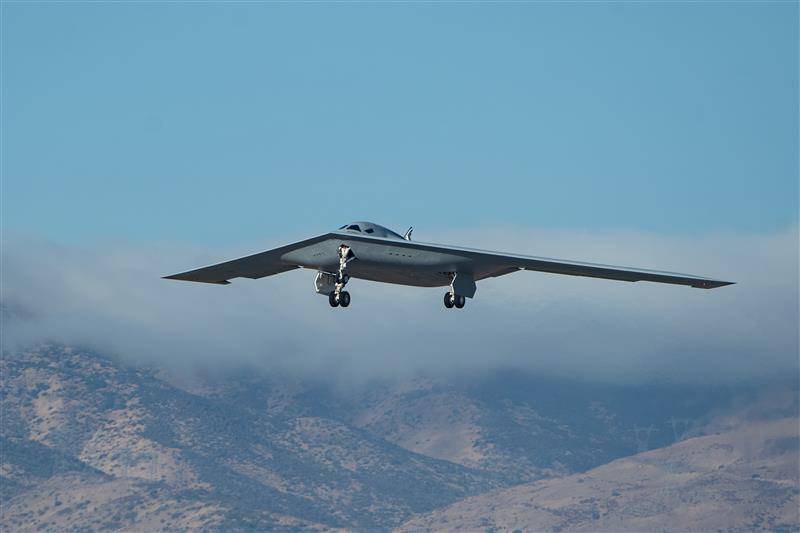
In September 2025, the US Air Force took delivery of its second working B-21 prototype. The flight test aircraft arrived at Edwards Air Force Base and significantly “enhanced the Air Force’s capacity to conduct comprehensive testing and sustainment training.” The prototype aircraft are considered very close to combat serial production examples. The aircraft is in low-rate initial production, and more examples are currently under construction.
The Air Force reported that fiscal year 2026 will see the launch of extensive military construction projects at all three designated B-21 main operating bases. It added that Ellsworth Air Force Base in South Dakota will be the first of these bases to receive its operational B-21s. The Air Force also pointed out that the Raider is a “cornerstone” of its strategic nuclear modernization.
According to The War Zone, the first of six pre-production B-21s made its maiden flight in November 2023. It is unclear what it will take to get these pre-production test aircraft into operational service. After all, the Air Force upgraded its B-2 Spirit bombers and brought those into combat service.
The US Places Order For 28 B-21 Raiders


In October 2025, President Trump made some interesting off-the-cuff remarks. Speaking of Operation Midnight Hammer, when B-2s were used to bomb Iran’s nuclear facilities and his summit with Russian President Vladimir Putin in Alaska, he stated on multiple occasions that the US was ordering more “updated B-2s.” On one occasion, Trump stated the US was ordering a “whole pile” of them, and on another, he stated the 28 are being ordered.
The B-2 is not in production, nor will it ever be in production again. Putting the B-2 back into production would be absurd, given that it is now more expensive and much less capable than the next-generation B-21 (now in production), built to replace it. It is also unlikely that Trump was referring to the massive midlife overhaul and modernization the B-2 fleet is currently going through. Of the 21 B-2s the Air Force received, two have been lost to accidents, and the remaining 19 are receiving midlife upgrades.
|
B-21 Raider numbers |
|
|---|---|
|
Current USAF inventory |
2 (advanced test aircraft) |
|
Number expected in 2026 |
2 |
|
Full-rate production |
Approx. 10 |
|
Current planned fleet |
100 |
|
Potential expanded fleet |
145 |
It is unclear from Trump’s statements whether these orders for 28 Raiders have officially been placed yet, or if it is still in the earlier stages of placing the order. It is also unclear if Trump remembered the number correctly. The Air Force is expected to eventually order at least 100 Raiders, so such an order would be over a quarter of the total currently planned.
B-21 To Feature Advanced AI Capabilities


Just like the British-led Tempest/GCAP sixth-generation fighter jet in development, there is discussion online about how autonomous the B-21 will be and whether it will be optionally manned. Northrop Grumman calls the B-21 the world’s first operational sixth-generation combat aircraft, something repeated by the Air Force as it received its second example in October. Now, the USAF Global Strike Command is recommending the default crew for the B-21 to be just a single pilot.
The cockpit has seating for two pilots, and it is recommended that the other seat go to a weapon systems officer (WSO) or ‘wizzo’ in place of the co-pilot. Ordinarily, only having a single pilot would raise safety concerns, but The War Zone points out it “strongly points to a high level of automation and AI-infused autonomy being present in the design now, which might one day open the door to fully uncrewed operations.”
Essentially, this suggested the Raider is being designed with an AI ‘virtual co-pilot.’ The story was first reported by Aviation Week. The publication pointed out that this could follow the cockpit philosophy of tactical aircraft like the Boeing F-15E, where WSOs are trained to take over controls and fly and land the aircraft in emergencies should the pilot be incapacitated.
B-21 Raider Almost Ready To Rush Into Service
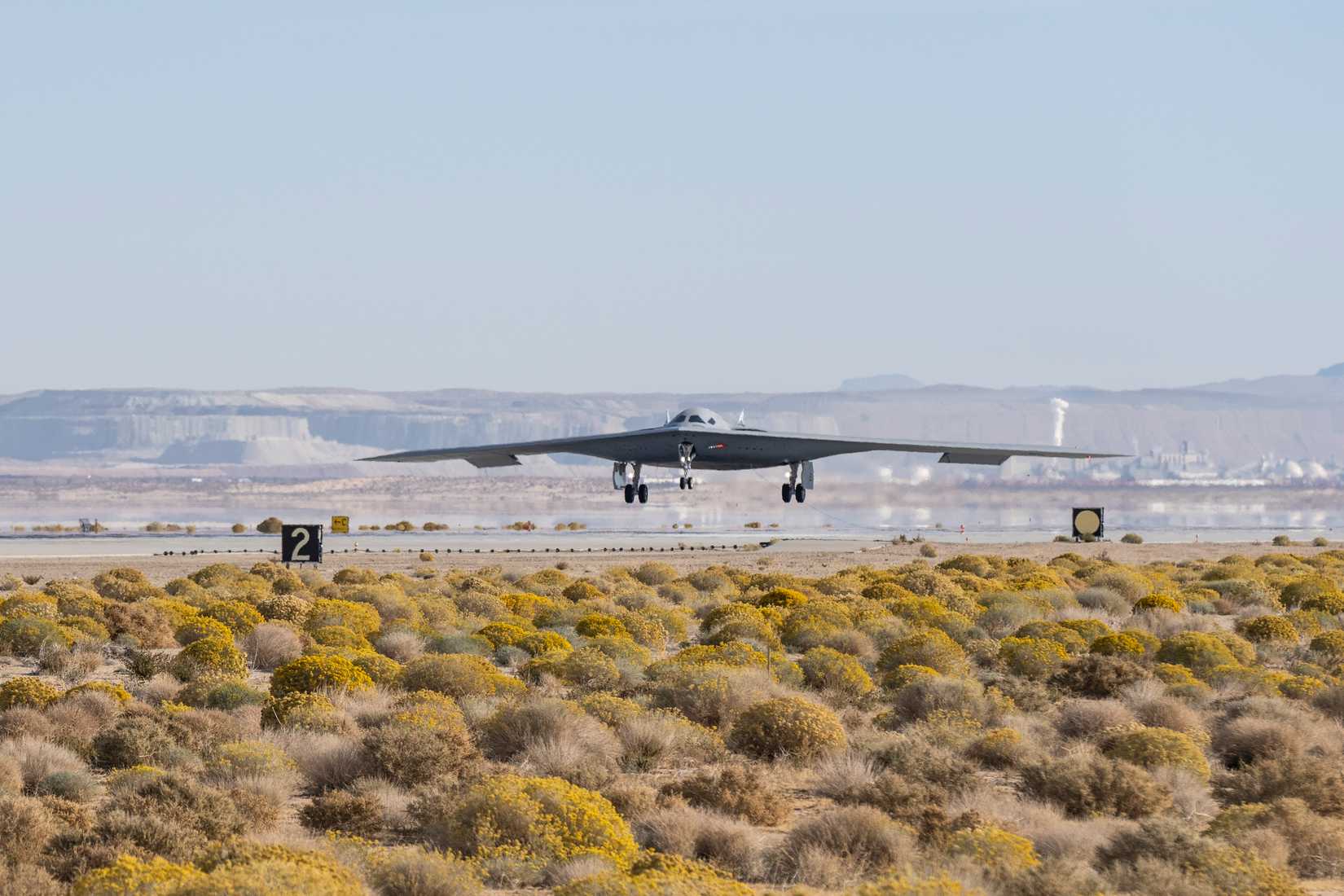
According to reporting by Sandboxx News in July 2025, the first B-21 Raiders could be ready for combat as early as 2026. This is not their current schedule, but it could be should the urgent need arise. Currently, the type is expected to enter service from 2027. Something similar happened with Israel in 2023. As conflict broke out, Israel pressed its $1 billion unique highly sophisticated intelligence, surveillance, and reconnaissance (ISR) Oron aircraft into service, even though it was still working up.
It is unclear whether the aircraft that could be pressed into service are limited to the two test aircraft the Air Force already possesses, or if they would also include the upcoming aircraft expected in the months ahead. The two bombers conducting test flights in 2026 are known to be very close to their final production configuration. Sandboxx says “they could be quickly transitioned into service if they were needed.”
|
B-21 Raider timeline |
|
|---|---|
|
Program start |
2011 |
|
First flight |
2023 |
|
Earliest possible operational use |
2026 |
|
Planned in-service date |
From 2027 |
This underscores just how different the development of the B-21 has been from previous aircraft. Historically, test aircraft were bare-bones aircraft incapable of combat. However, these aircraft have undergone so much virtual testing before production and have benefited so much from flight testing of an undisclosed testbed aircraft that these ‘test’ aircraft are very close to their final operational form. Of course, if they were to be rushed into service in 2026, they would only be available in very low numbers. Seven B-2s were required for the single raid on Iran this year.
The US Is Pouring Funds Into The Program

As the B-21 becomes closer to operational use and entering serial production, the US is nervously looking at the many capabilities being unveiled in China. The two giants are now in a two-horse Great Power Competition race. Russia is desperate to remain relevant. While China and the US are working on developing next-generation strategic bomber capabilities, Russia has been forced to fall back on old Soviet designs and put the large previous-generation variable sweep-wing Tu-160 Blackjack back into production.
The B-21 is designed to operate in highly contested airspaces, conducting deep penetration missions. The Air Force has announced plans to almost double its investment in the B-21 program for 2026. Previously, it had planned to spend an impressive $5.8 billion on the program, but now it’s allocating another $4.5 billion to ramp up Northrop Grumman’s production capacity.
At least two more B-21 Raiders are expected to be delivered in 2026. It was estimated that there is the capacity to build around seven B-21s annually once the aircraft enters serial production, with production completing in the mid-to-late 2030s. It seems that it is not fast enough for the Air Force, although it is unclear how much more capacity the extra $4.5 billion in investment will add to the system.
Air Force Considering Boosting Orders To 145
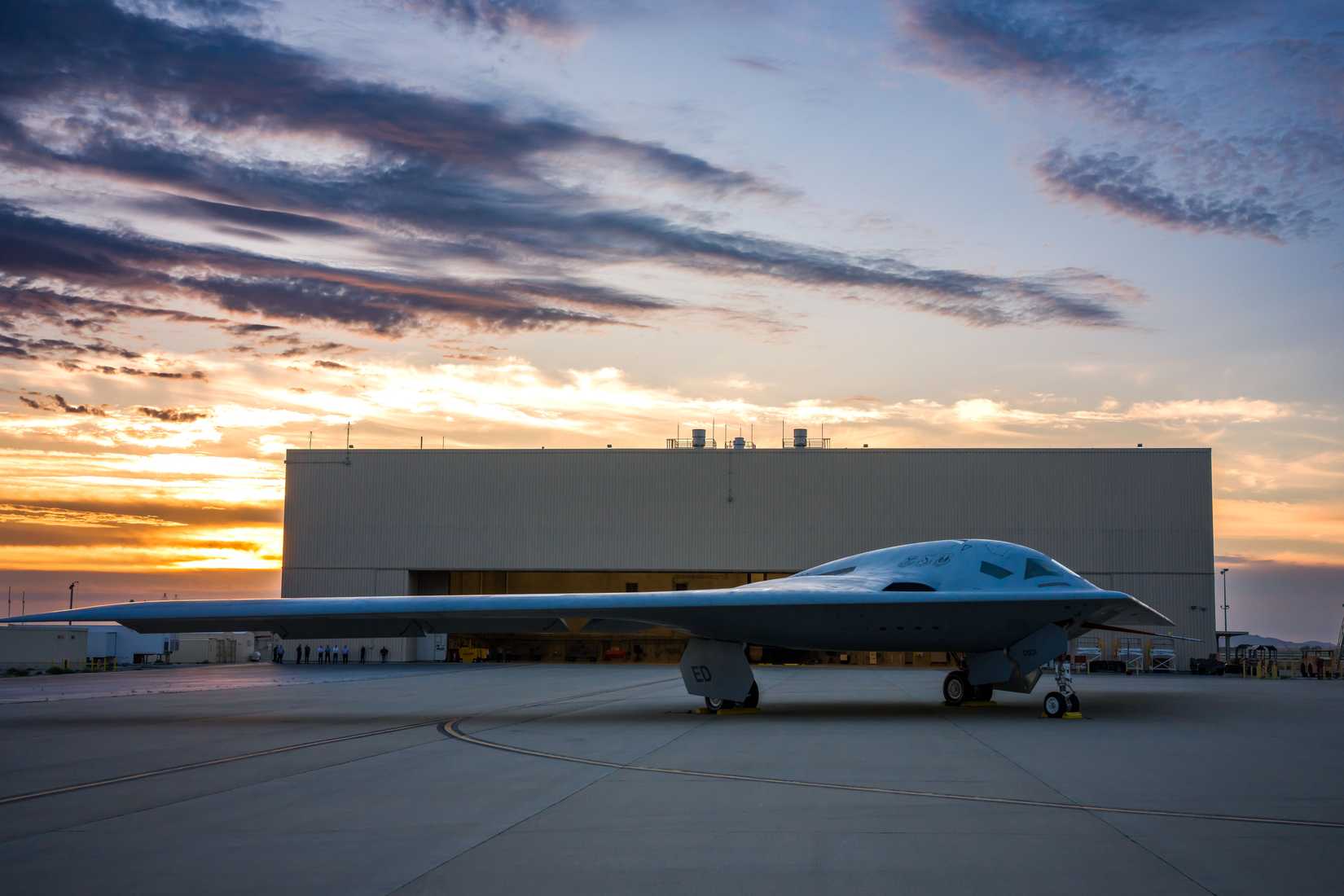
It’s reported that the Air Force is in discussions to increase its previously expected order from 100 Raiders to 145 of the strategic bombers. The Air Force currently operates a fleet of around 19 B-2 Spirits, 46 B-1 Lancers, and 76 B-52 Stratofortress bombers. The Raider is first expected to replace the B-1 Lancers through the 2030s before replacing the B-2 Spirits in the 2040s.
If the USAF does purchase 145 Raiders, this could suggest it is gearing up to eventually grow its strategic bomber fleet. 145 bombers is over double the roughly 65 B-2s and B-1s it is intended to replace. That said, it should also be noted that the Raider has a much lower payload capacity than either aircraft. The B-2 has a publicly disclosed payload capacity of 40,000 lbs, while the B-21’s publicly disclosed capacity is 30,000 lbs. This is known to be an understatement as the ostensibily 40,000-lb payload-limited B-2 recently carried two GBU-57 bunker-busting bombs over Iran, weighing a combined 60,000 lbs.
The B-52s are being re-engined and upgraded to service alongside the Raider in a complementary, but very different role. The B-21 is much smaller than the B-52 and is designed to penetrate enemy air defense and carry out precision strikes on high-value enemy targets. The B-52 has close to zero survivability in contested airspace and is intended to be a delivery truck hauling masses of long-range missiles, including hypersonic missiles, firing them from outside contested airspace.
source